

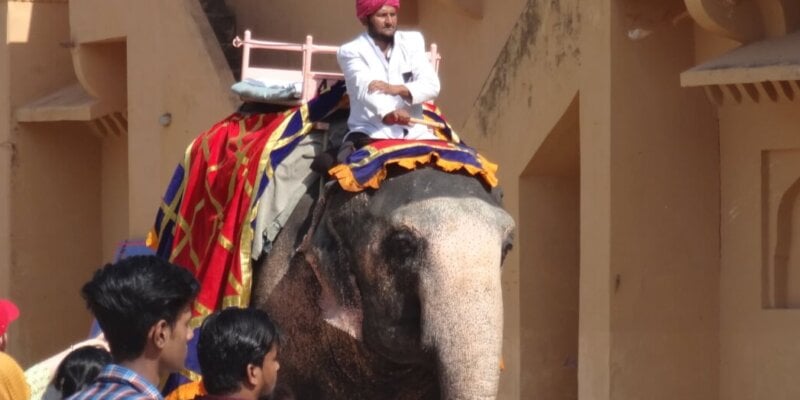


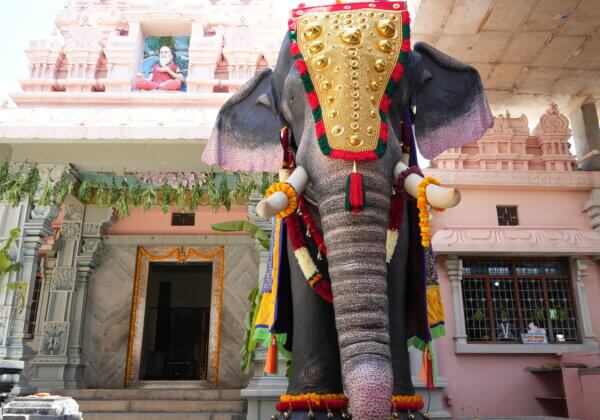
Actors Aindrita Ray and Diganth Manchale, along with PETA India, have donated a life-size mechanical elephant called Shiva to the Jagadguru Sri Veerasimhasana Mahasamsthana Math (Sri Suttur Math) near …
Read More
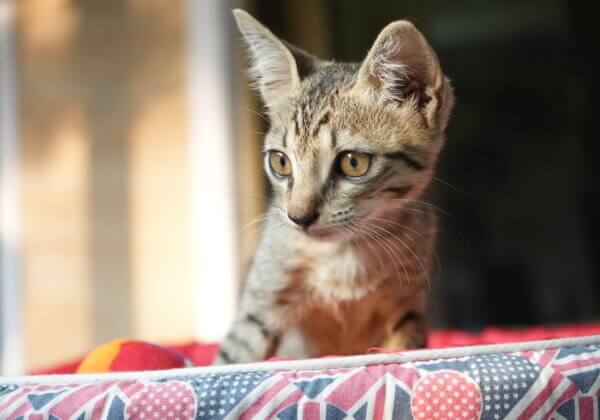
Kitten Rescued by Actor Pooja Bhatt Is Looking for a Permanent Home!
This kitten is ready to be welcomed by loving companions into a permanent home after being rescued amid heavy traffic by actor Pooja Bhatt.
Read More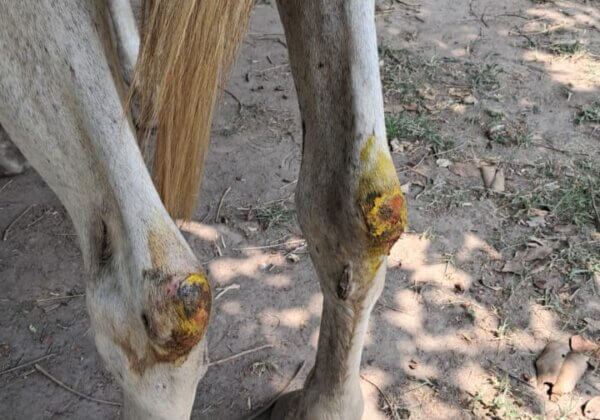
Wounded, Abused Horse Used for Carriage Rides in Kolkata Rescued by PETA India
Following a first information report filed by CAPE Foundation highlighting the egregious cruelty to and neglect suffered by a horse who was used for hauling Victorian-style carriages and for …
Read More
PETA India’s Cosfly Cosmetics Vegan Beauty Giveaway Contest
“Unveiling natural beauty: where wellness meets efficacy” – that’s the philosophy of Cosfly Cosmetics, a cruelty-free brand certified by the PETA US global Beauty Without Bunnies programme for not …
Read More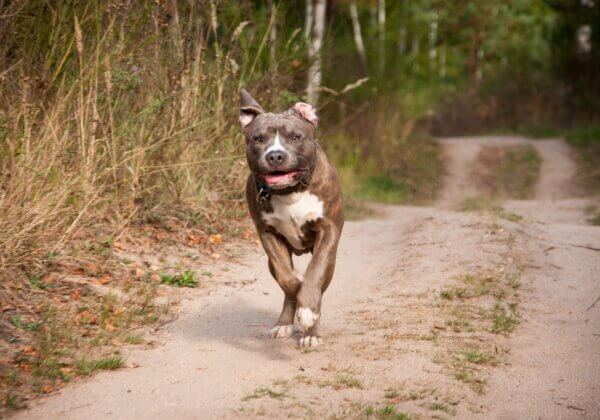
The Calcutta High Court in a petition titled WPA 8632/2024 in Tanmay Dutta vs State of West Bengal and Ors disposed of the petition challenging the circular issued on …
Read More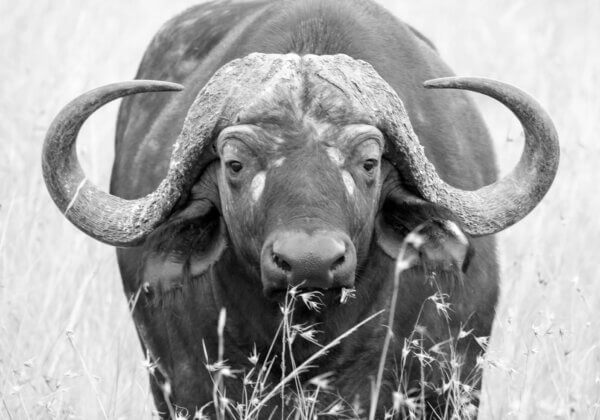
Victory! Following PETA India Appeal, Unauthorised Buffalo Fight Stopped in Morigaon
PETA India’s intervention helps prevent an unauthorised buffalo fight scheduled to take place in Morigaon, Assam.
Read More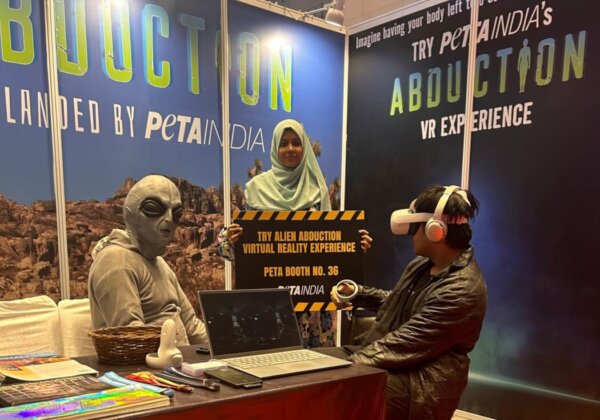
PETA India launched its virtual reality experience Abduction at Mumbai Comic Con on 20 and 21 April.
Read More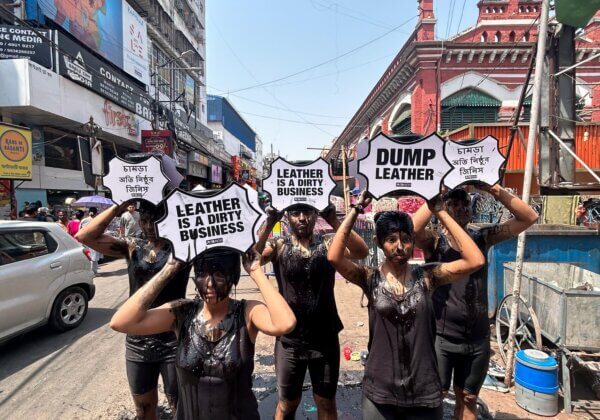
Animal Allies Douse Themselves With Sludge in Earth Day Push Against Toxic Leather
For Earth Day (22 April), PETA India supporters brandishing buckets proclaiming, “Leather Is a Dirty Business,” gathered in front of New Market in Esplanade, Kolkata, and dumped black sludge …
Read More
PETA India Founder Feeds a Thousand Women and Children in Need in Delhi in Honour of Late Mother
In honour of the 100th anniversary of the birth of PETA India founder Ingrid Newkirk’s late mother, Mary Patricia Ward, PETA India has teamed up with Little India Foundation …
Read More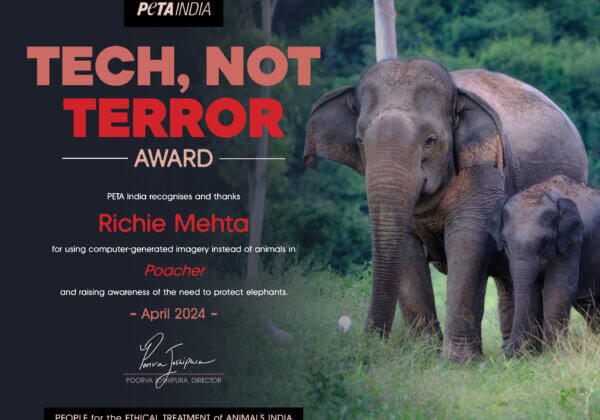
Poacher Director Nabs PETA India Award for Use of CGI Animals Just in Time for Save the Elephant Day
The director of Poacher, a crime thriller based on illegal elephant ivory poaching, wins a PETA India award for using CGI instead of live animals.
Read More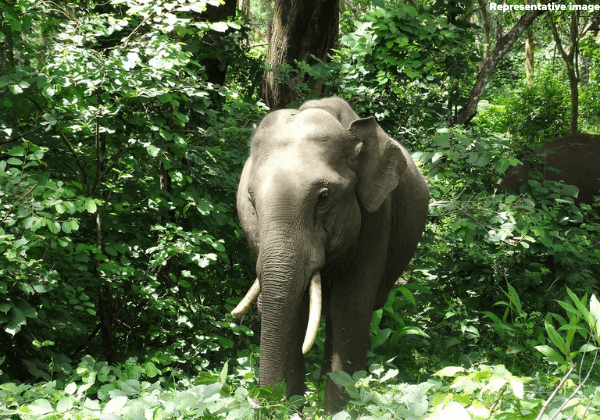
Following a recent incident in which an elephant killed a mahout at ISKCON in Mayapur, PETA India requests that the temple use mechanical elephants in rituals and ceremonies.
Read More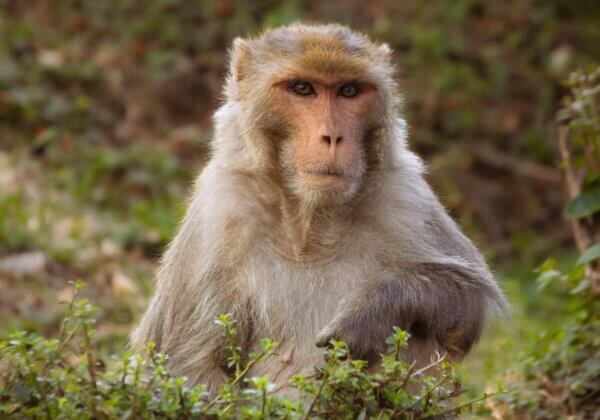
India’s Monkeys Threatened by Foreign Animal Experimenters Need Protection
Join us in requesting that Prime Minister Narendra Modi reinstate and strengthen protections removed from rhesus macaque monkeys in the Wild Life (Protection) Amendment Act, 2022.
Read More