

Shahdara Timber Market Declared Animal Cart-Free as Final Ten Former Cart Owners Join PETA India’s Delhi Mechanisation Project
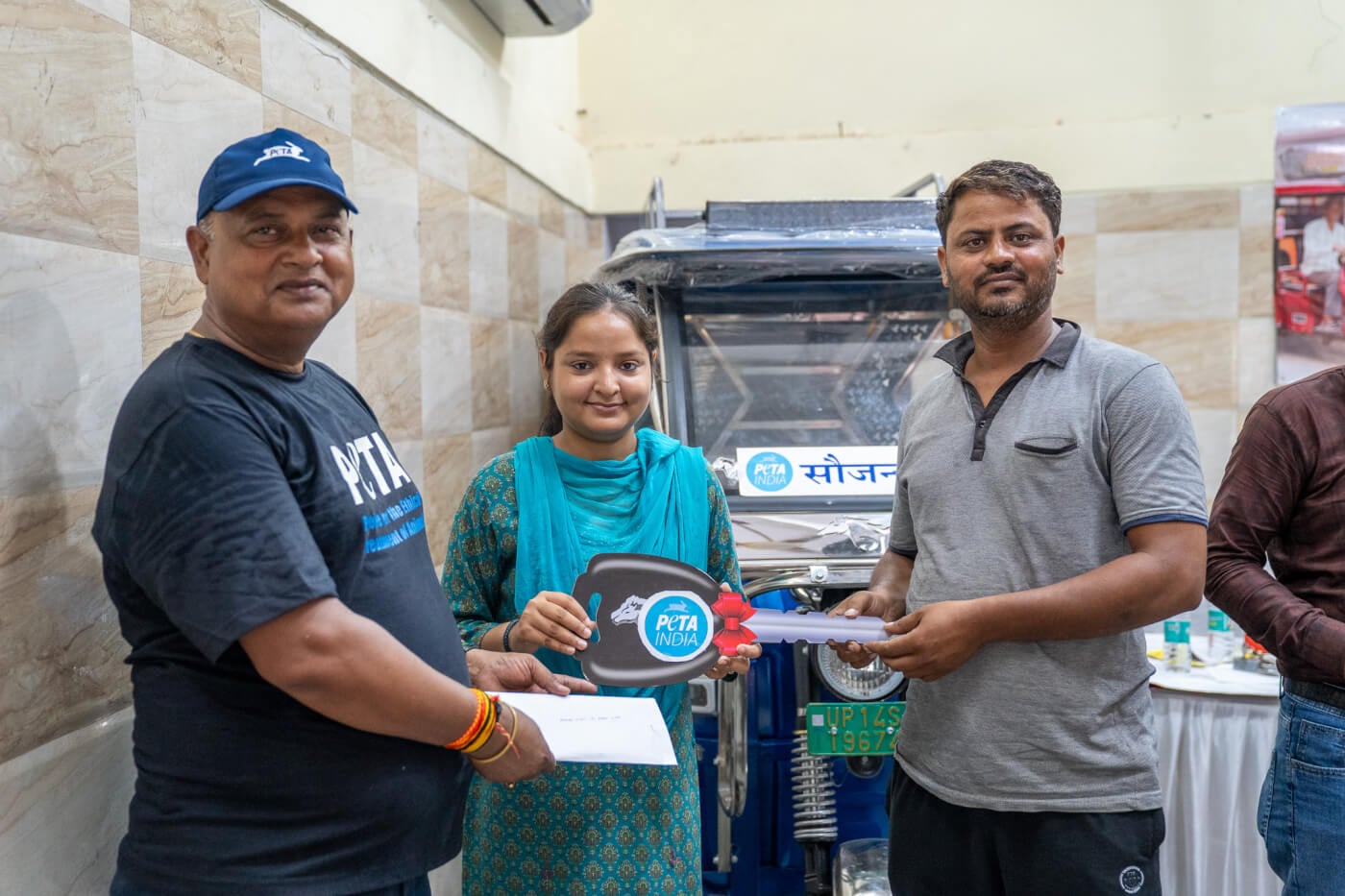
Delhi’s Shahdara Timber Market area was declared animal-drawn cart–free as the last ten former animal-cart owners were transitioned to battery-operated e-rikshaws in a ceremony held in the presence of Rohtas Nagar Municipal Councillor Shivani Panchal; community leaders Kamal Kishor, Ramesh Verma, and Ramprakash; and beneficiaries of the project.
Shahdara Timber Market is the second market in Delhi, after Assam Timber Market in Nangloi, to be declared animal-cart-free. With this latest handover, PETA India’s Delhi Mechanisation Project has now helped rehabilitate more than 200 former animal-drawn cart owners while sparing over 200 bulls, horses, and other equines from lives of hard labour.
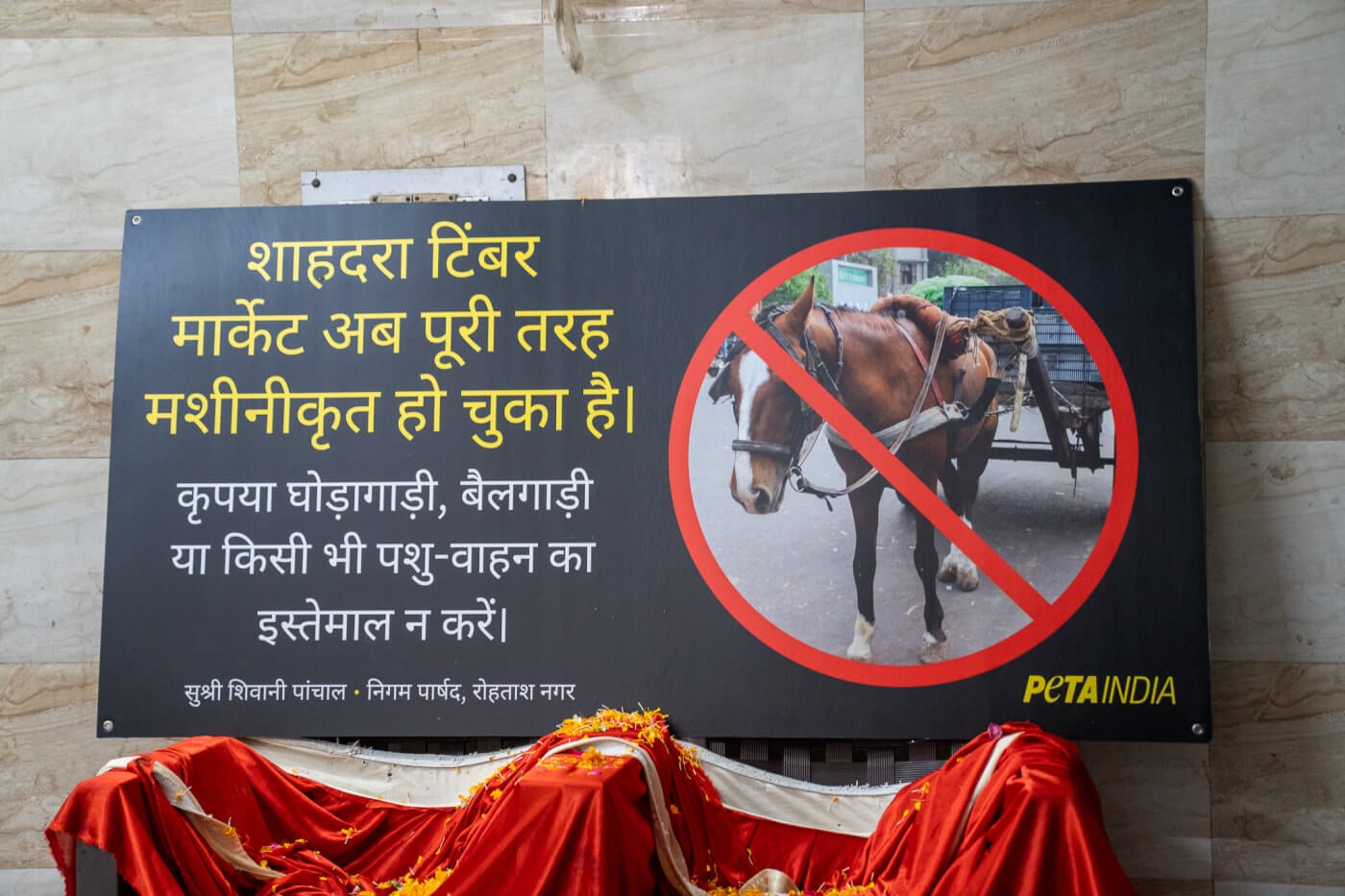
Following this transition in her jurisdiction, Municipal Councillor Panchal wrote to the Hon’ble Mayor of Delhi, Shri Pravesh Wahi, urging the strict implementation of the municipal resolution No 590, dated 4 January 2010, passed by the Municipal Corporation of Delhi, which prohibits the use of horse-drawn tongas in the city.
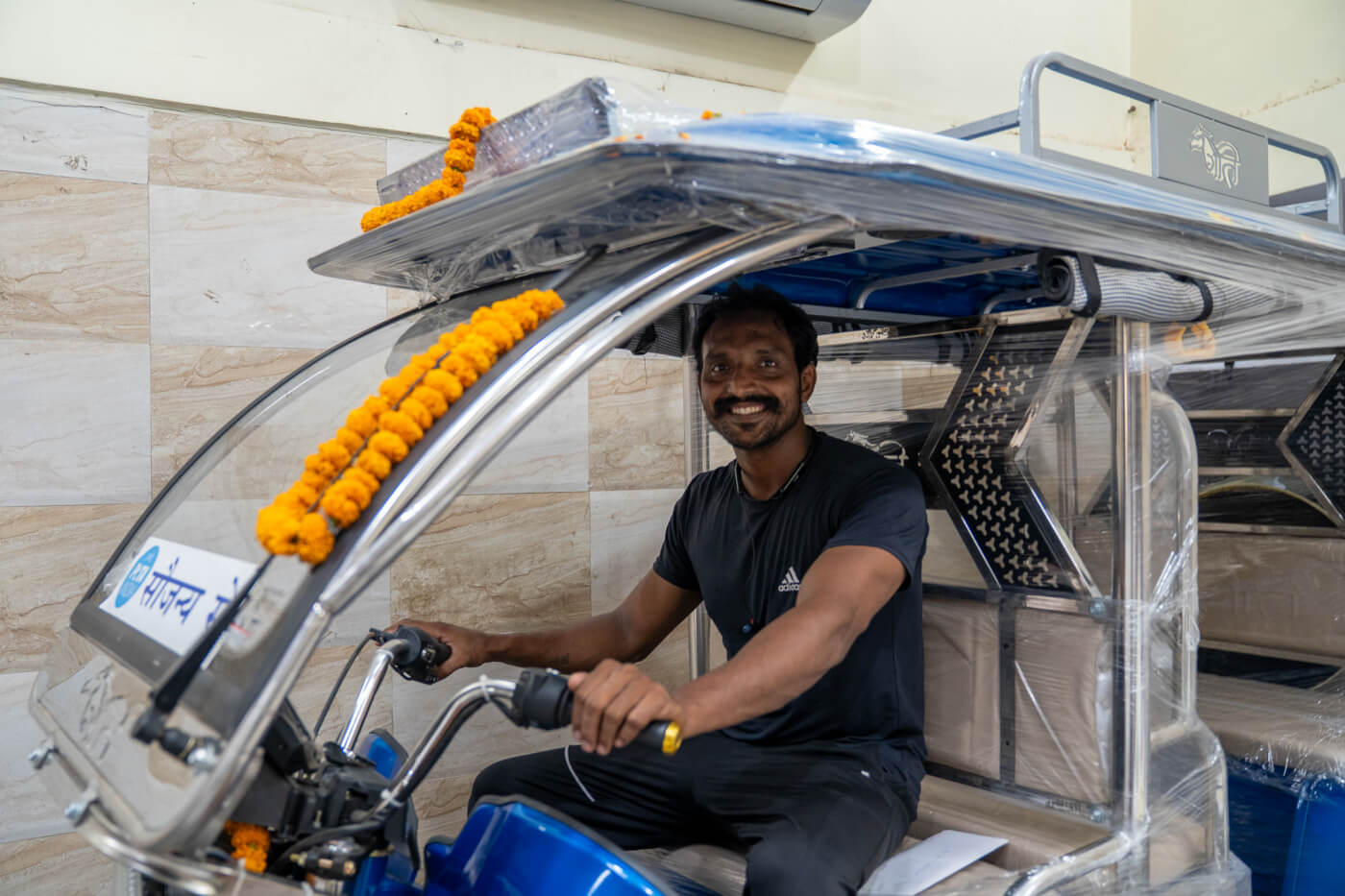
“Animals belong in their natural environments and not in cities or markets. These e-rikshaws have helped former animal cart owners transition to dignified and more sustainable livelihoods and will keep the market more organised, clean, and help build a more compassionate society.Animal-drawn vehicles are a misfit in a progressive society, as animal-free methods offer a win-win solution for people and animals.” – Shivani Panchal, Rohtas Nagar Municipal Councillor
PETA India’s Delhi Mechanisation Project – a winner of the Giving Economy Changemakers Award – works to protect animals, such as bullocks, donkeys, ponies, and horses who are abused and forced to haul heavy loads, and to provide the families using them with better opportunities for earning a livelihood.
Despite the availability of superior non-animal means, hundreds of bullocks and horses still ply slow-moving carts and tongas in Delhi, posing a traffic hazard and a danger to public health and the environment through the presence of dung and the carcasses of animals who died in the trade. Equines and bulls are often forced to work even when they are sick or injured. Handlers use weapons like whips, painful nose ropes, and spiked bits to force them to haul overloaded carts. The animals are denied access to proper nutrition, adequate water, and shade from the blazing sun. They are typically worked until death and given no veterinary care for common painful health concerns, including wounds, abscesses, muscle and joint ailments, cancer, blindness, and yoke gall.