

PETA India Files Petition for Seizure of Remaining Animals from Saligrama Hoarder in Udupi
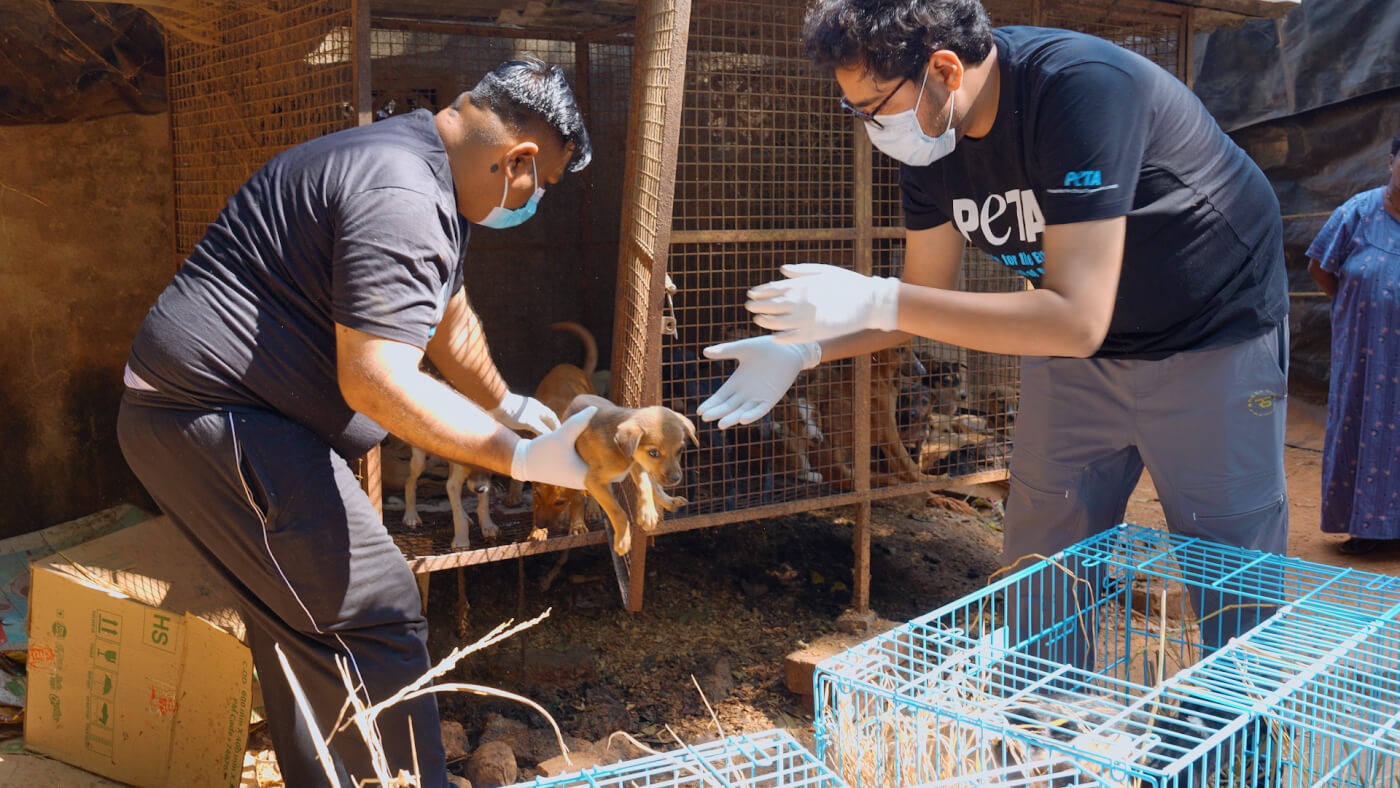
After seven raids, over 350 animals seized, two First Information Reports (FIR), one Preliminary offence Report (POR) under the Wildlife Protection Act, 1972 (WPA), multiple interventions by local authorities, including closure orders and sustained efforts to secure relief for new animals relentlessly acquired and kept suffering at the illegal animal hoarding facility in Saligrama, Udupi, run by Mr. B. Sudhindra Aithal—PETA India has filed an application before the Judicial Magistrate First Class, Udupi, seeking seizure and rehabilitation of all animals still confined there. Yesterday, 06 October, the Court directed the Kota Police Station to furnish the latest head count of animals in Aithal’s custody and posted the matter for further hearing on 9 October.
More than 350 animals have been rescued from the facility over the course of the seven raids. However, since the orders passed by the Deputy Commissioner and District Magistrate and the local Pattana Panchayat, prohibiting him from having custody of animals, do not account for animals he has personally categorised as “pets” and “livestock”, these animals continue to languish in deplorable conditions. PETA India attests that these animals are kept in the exact same deplorable conditions as those who have been rescued from the facility and are in desperate need of help.
PETA India points out that as long as Mr. Aithal is permitted to keep any animals, he continues to obtain and hoard animals relentlessly as part of a psychological compulsion referred to as “animal hoarding”. Animal hoarders are defined in a paper published by The Canadian Veterinary Journal as “as someone who has accumulated a large number of animals and who: 1) fails to provide minimal standards of nutrition, sanitation, and veterinary care; 2) fails to act on the deteriorating condition of the animals (including disease, starvation or death) and the environment (severe overcrowding, extremely unsanitary conditions); and often, 3) is unaware of the negative effects of the collection on their own health and well-being and on that of other family members”. The behaviour is motivated by hoarding, with many people also hoarding inanimate objects in a manner that creates a public health risk, and not by animal concern or care.
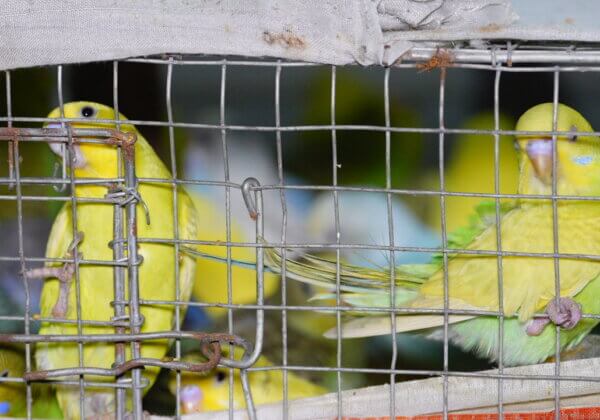
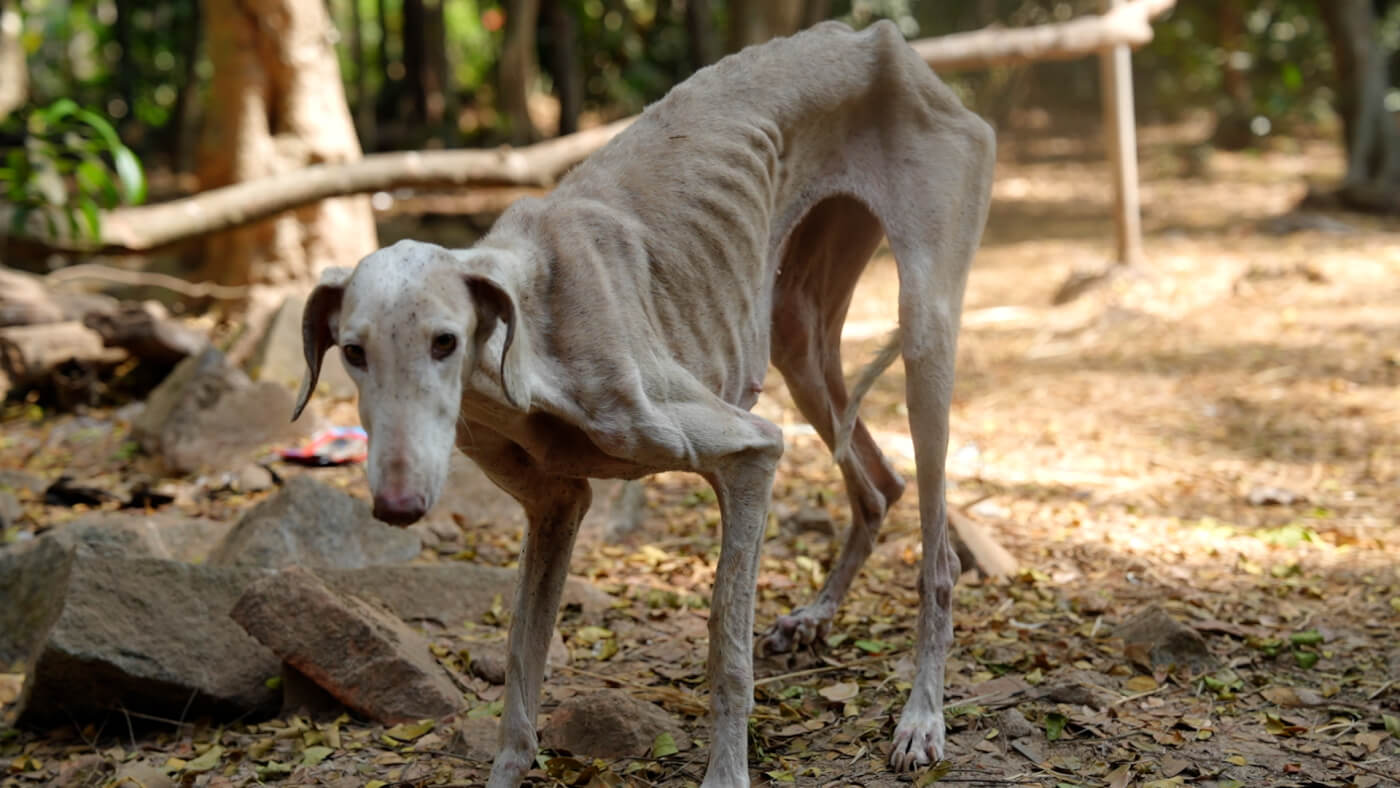
The animals who have been rescued—including dogs, cats, puppies, kittens, hamsters, lovebirds, and wildlife such as cobras, civet cats, black kites, Indian parakeets, bonnet macaques, and endangered species—were found confined in filthy, overcrowded, and inhumane conditions. Many were on the brink of death—severely dehydrated, weak, bone-thin, covered in waste, suffering from untreated wounds, eye problems, heavy parasitic infestations and viral infections. Many animals were found showing signs of serious and often fatal or serious contagious diseases, including canine distemper, parvovirus, and feline herpesvirus, highlighting egregious welfare and public-health concerns.
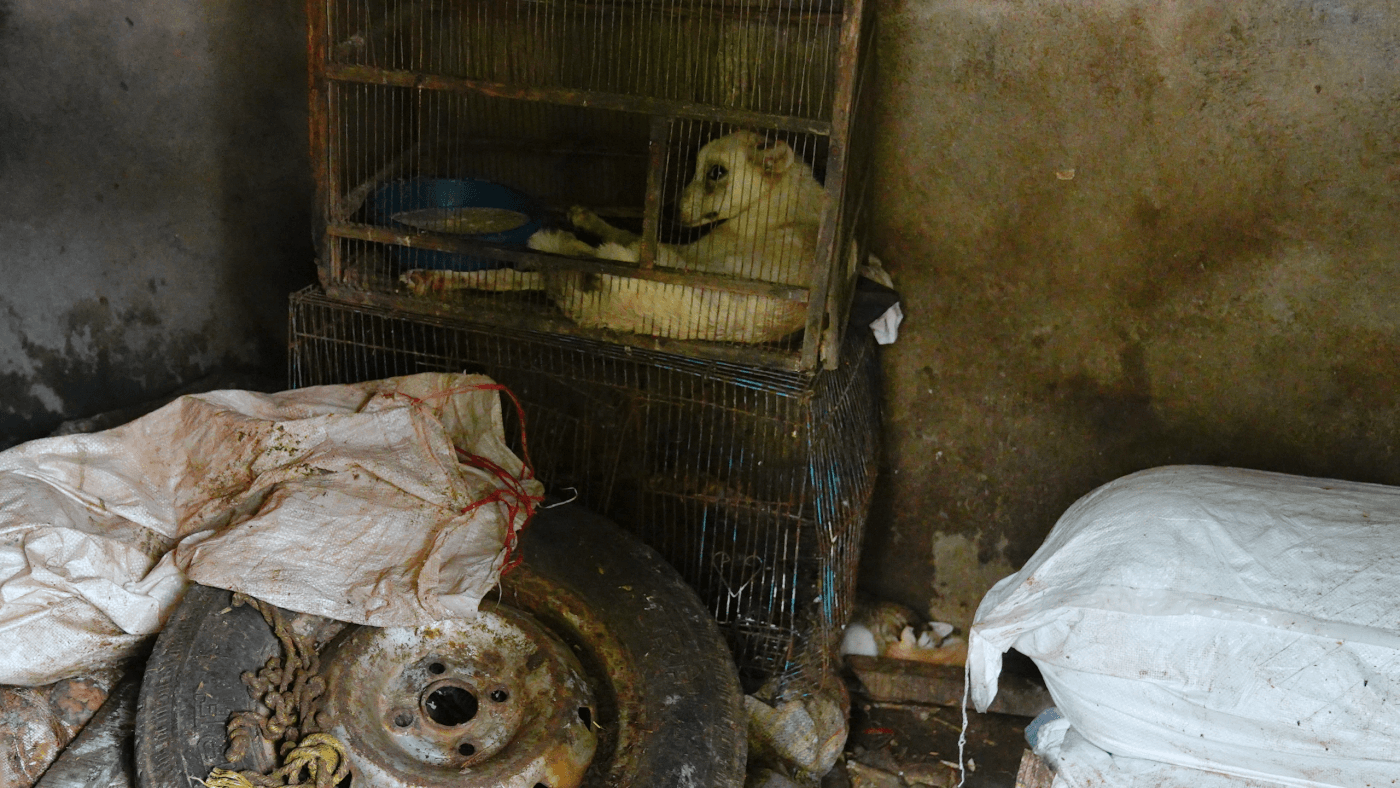
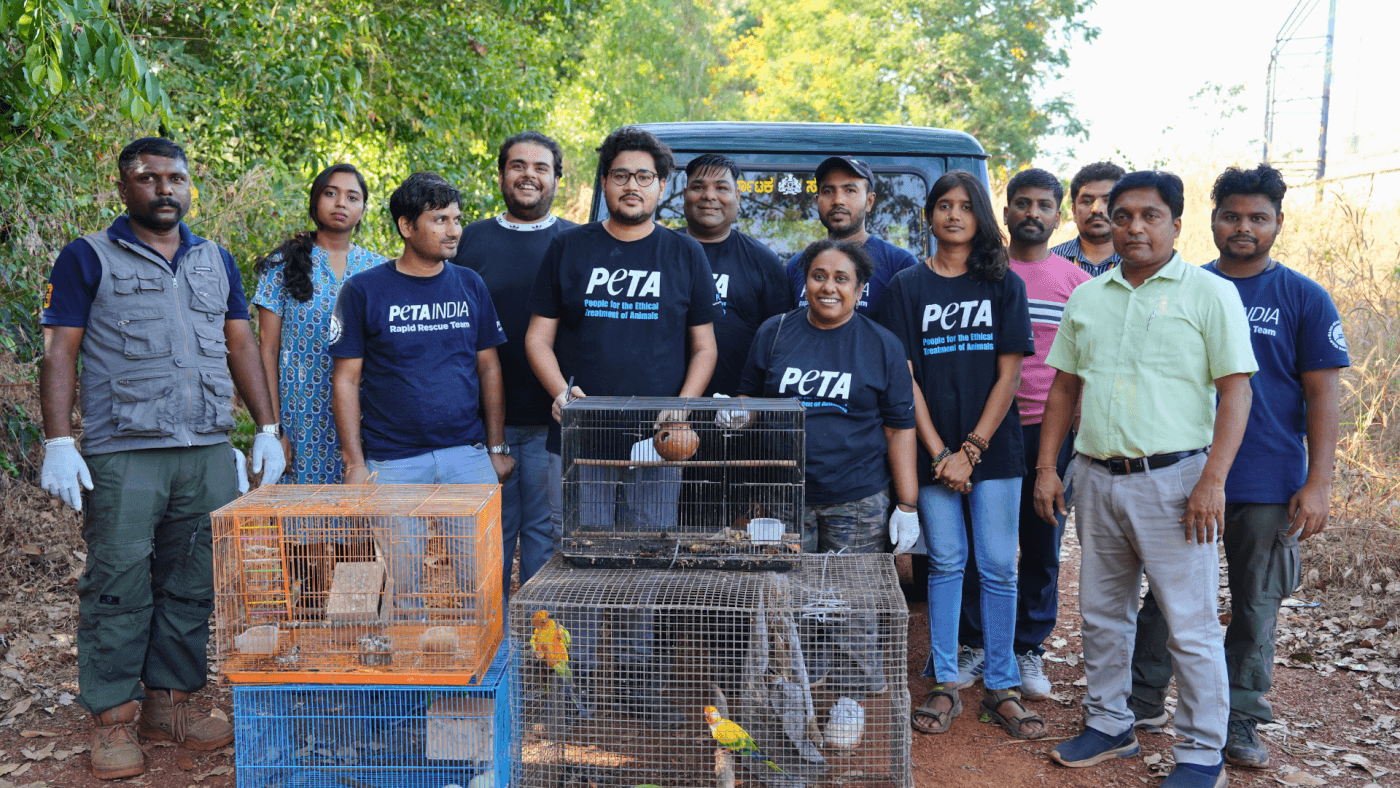
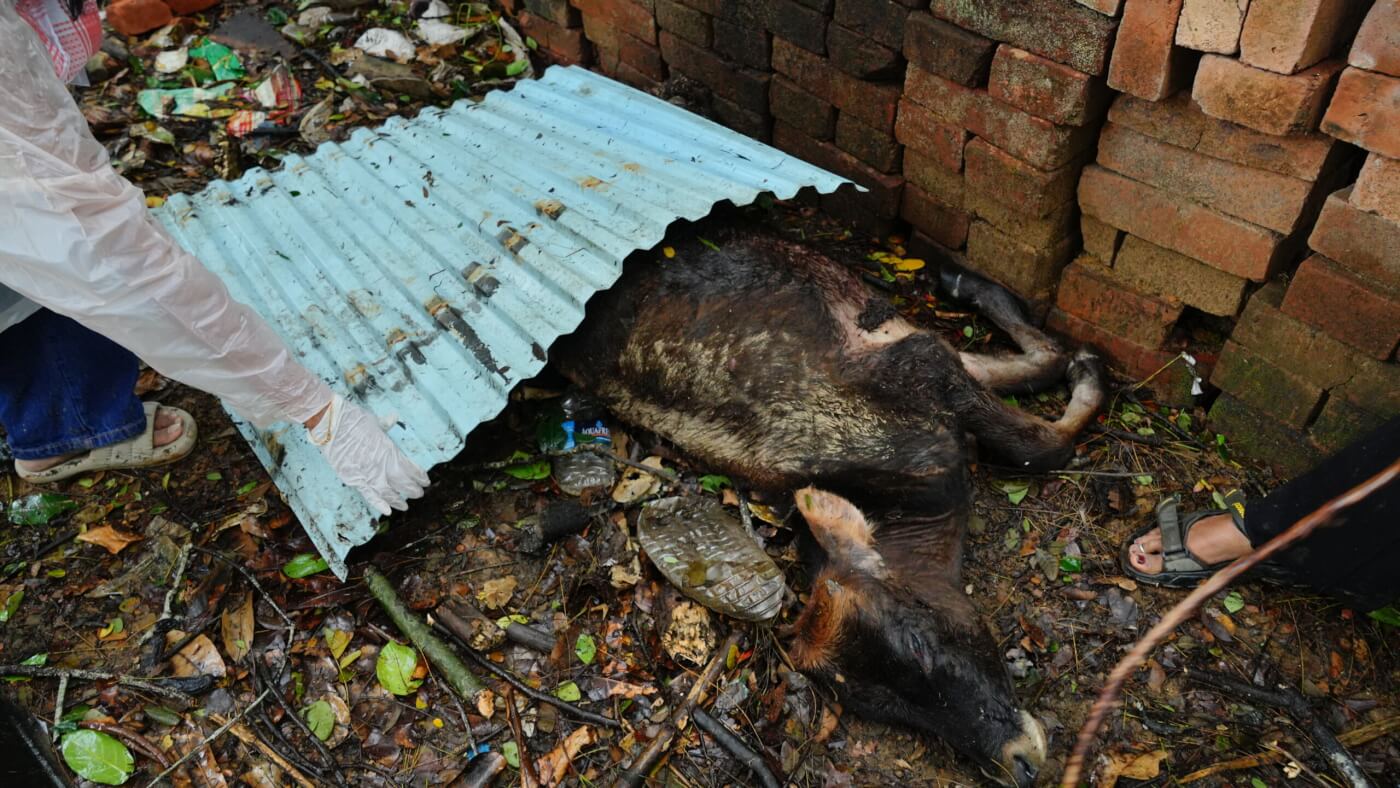
During the most recent operation on 07 July, officials discovered animal graveyards strewn on the property and the rotting carcass of a calf who had apparently died from neglect. The body had been kept hidden under a tin sheet, discarded near a pile of animal bones on the premises, underscoring the horrific conditions in which animals have been kept, with many succumbing to the ill-treatment and neglect.
Despite repeated closure orders and interventions by multiple authorities and the district administration, Aithal has continued to acquire and keep animals at the facility in overcrowded, unsanitary, and unsafe conditions. PETA India’s interventions have documented continued animal suffering and deaths, even after authorities had issued directions for the facility to be closed. Aithal has also been the subject of official action concerning his repeated acquisition and confinement of animals, despite directions for closure. The facility has also been used for breeding and selling animals to members of the public.
Facilities that engage in the boarding, breeding, or selling of ‘pet’ animals are required to be registered with the state animal welfare board, as mandated under Rule 3 of the Prevention of Cruelty to Animals (Dog Breeding and Marketing) Rules, 2017, and Prevention of Cruelty to Animals (Pet Shop) Rules, 2018, framed under The Prevention of Cruelty to Animals (PCA) Act, 1960.
An order dated 26 May 2020 issued by the Commissioner of the Animal Husbandry and Veterinary Services Department, Government of Karnataka, banned operations of unregistered dog breeding centres and pet shops in the state. Addressed to all district collectors and chairs of the district SPCAs, it mandates that all unregistered pet shops and dog breeding establishments not registered with the Karnataka Animal Welfare Board (KAWB) be banned from operating, in accordance with the Prevention of Cruelty to Animals (Dog Breeding and Marketing) Rules, 2017, and the Prevention of Cruelty to Animals (Pet Shop) Rules, 2018.
Urge Authorities To Shut Down Udupi Animal Hoarder Centre