

US Food And Drug Administration Issues Warning Letter to Telangana-Based Beagle Breeder and Animal Lab Palamur Biosciences for “Serious Violations”; PETA India Urges Action From PMO
PETA India can reveal that the United States Food and Drug Administration (FDA) has recently issued a public Warning Letter to Telangana-based animal experimentation contract laboratory and beagle breeder Palamur Biosciences Pvt. Ltd., citing “serious violations” of Good Laboratory Practice (GLP) regulations and “systemic failures” in oversight that call into question the quality and integrity of safety data generated at the facility. The FDA also cited serious animal welfare concerns, echoing whistleblower-led complaints raised by PETA India seven months ago and the findings described in a detailed inspection report submitted to the Committee for the Control and Supervision of Experiments on Animals (CCSEA) on 17 June 2025 by a multidisciplinary committee appointed by the government that has yet to be acted upon. Palamur Biosciences houses some 1200+ animals including beagles, monkeys, cows, pigs and other species for use in experiments or, in the case of dogs, to also breed and sell to other laboratories.
In light of this major international regulatory action, we have written to the Prime Minister’s Office and to the Hon’ble Union Minister of Fisheries, Animal Husbandry and Dairying this week urging immediate intervention to address not only Palamur Biosciences’ entrenched non-compliance, but also the apparent conflicted and compromised functioning of India’s statutory animal experimentation regulator, the CCSEA, a body whose Core Committee is largely made up of animal experimenters and persons from animal experimenting facilities despite its mandate “to ensure that animals are not subjected to unnecessary pain or suffering before, during or after performance of experiments on them”.
The FDA Warning Letter, dated 11 December 2025, follows an inspection conducted by that agency’s Office of Bioresearch Monitoring (OBMI) Foreign Inspection Cadre in January 2025 and an assessment of Palamur Biosciences’ subsequent written responses, which the FDA found “inadequate” and failing to “provide assurance that similar violations would not occur again”. The FDA concluded that Palamur Biosciences committed “serious violations of Title 21, Code of Federal Regulations (CFR) Part 58”, stating that these failures “demonstrate systemic failures in study director oversight… and bring into question the quality and integrity of safety data collected at [the] testing facility.”
Crucially, the FDA documented multiple deficiencies with direct implications for animal welfare and public health, including poor or absent veterinary records; lack of documented health examinations prior to invasive procedures; inadequate and inhumane euthanasia procedures; unsanitary conditions including animal droppings and pest harborage; unapproved protocol deviations; and failures by the Quality Assurance Unit to detect or document violations. The FDA warned that Palamur’s unreliable data “may put public health and safety at risk.”
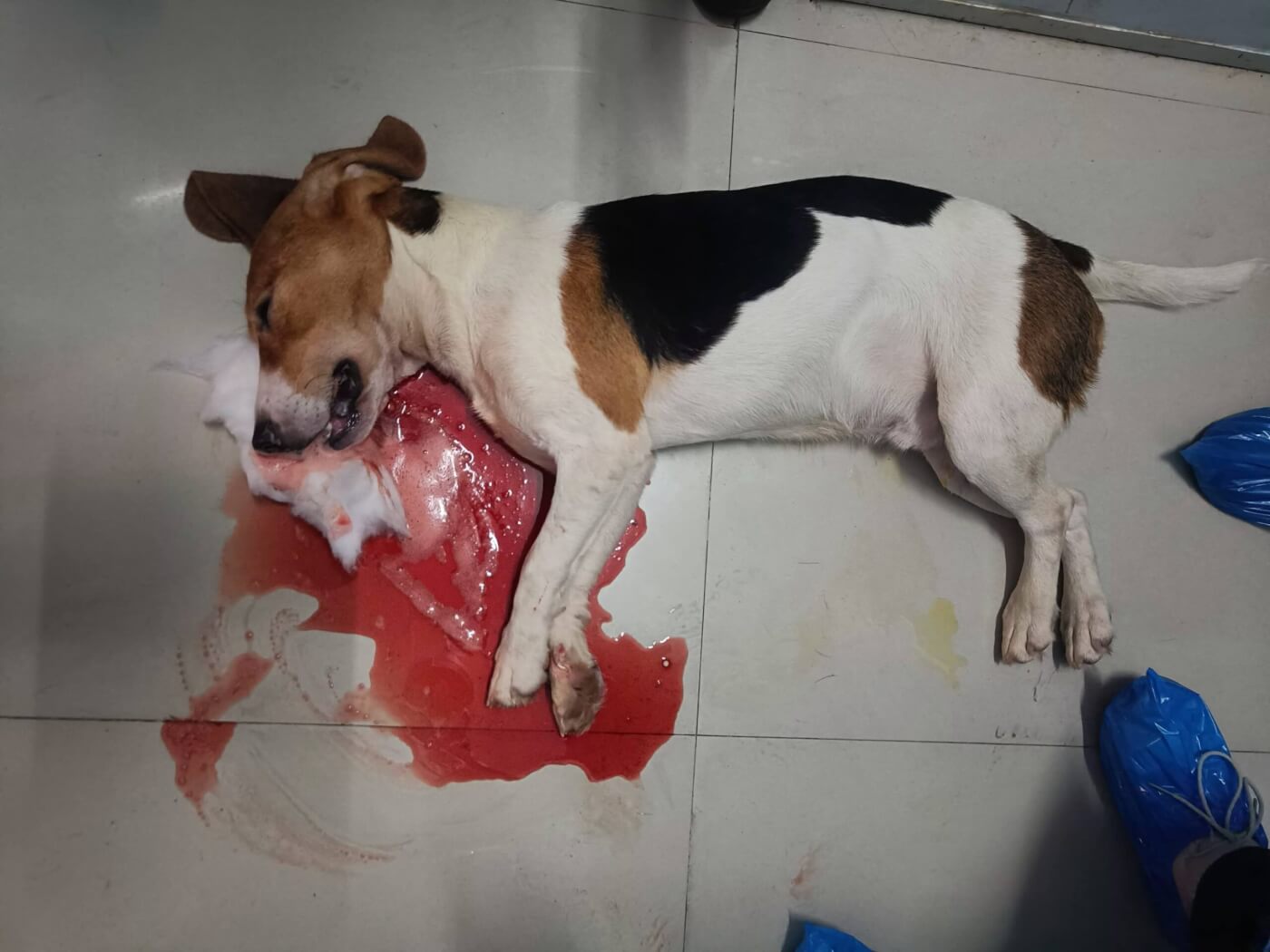
These findings substantially corroborate the conclusions of the detailed inspection report submitted to CCSEA on 17 June 2025 by a multidisciplinary committee appointed by the government itself, which recommended “immediate regulatory action… including the removal and rehabilitation of animals in order to prevent further pain and suffering” and a review of Palamur’s registration and breeding licence. The inspection followed a complaint filed by PETA India with the CCSEA on 10 June 2025 including photographic and video evidence from whistleblowers of egregious cruelty at the facility, showing beagles in pools of blood, wounded and dying beagles, pigs who were poisoned so hard they bled, frightened wild-caught monkeys and other abuse. Despite this, no meaningful enforcement action has followed, while subsequent CCSEA-appointed inspections were conducted by active animal experimenters, raising serious concerns of bias and regulatory capture. In fact, Palamur Biosciences has so far even refused to release 73 beagles it is no longer using for breeding or experiments to NGOs to house them or to help get them adopted into loving homes, preferring instead to keep them caged for life seemingly so their psychological and/or physical scars remain hidden.
PETA India in its letters states that the FDA’s intervention lays bare the consequences of conflicted domestic oversight: animals subjected to prolonged pain and distress, unreliable scientific data entering global regulatory pipelines, and erosion of confidence in India’s research governance. Rather than acting decisively on the 17 June 2025 findings, CCSEA has permitted delay, dilution, and cosmetic compliance, embarrassingly leaving numerous international regulators to find fault and to issue public warnings in the interest of global public health.
Alarmingly, the FDA Warning Letter is not an isolated international red flag. In May 2024, the US Environmental Protection Agency publicly announced it had temporarily stopped accepting studies from Palamur Biosciences due to falsification of data, followed by regulatory action over the same concern by the Canadian Pest Management Regulatory Agency in June 2024. The FDA now confirms a persistent pattern: Palamur treats compliance as a box-ticking exercise to do the bare minimum to preserve business-as-usual operations rather than as a duty to protect animals or ensure scientific integrity.
PETA India’s letters critique the composition of the CCSEA Core Committee, which is dominated by representatives of animal experimentation institutions. Recent substitutions notified by the Ministry replace one senior animal experimenter with another from the same ecosystem perpetuating the fundamental conflict of interest with the duty envisaged under Section 15 of the Prevention of Cruelty to Animals Act, 1960, which mandates that animal welfare be the Committee’s central consideration.
We have called on the government to urgently review the composition of the CCSEA Core Committee, ensure independent animal-welfare focused and conflict-free inspections, and to take immediate action on inspection report submitted to the CCSEA on 17 June 2025, which is now independently corroborated by the FDA. Without decisive reform, PETA India warns that India risks continued animal suffering, unreliable science, and reputational harm in global regulatory systems