dove logo
PETA India Home
Action AlertsVegetarianismCampaignsLivingActivismAbout PETADonate Now
dove logo
Animals in EntertainmentAnimal ExperimentationClothingPETA TV
Search

Home > media centre > News Releases >

PAMELA ANDERSON LEE EXPOSES ANIMAL CRUELTY IN THE INTERNATIONAL LEATHER TRADE


Actor Calls On Designers to Shed Their Skins

For Immediate Release:

February 17, 2000

Contact:

Jason Baker 98201 22602

Mumbai -- Pamela Anderson Lee has narrated the first-ever video exposé of animal cruelty in the international leather trade, documenting constant violations of India's animal protection laws, which are some of the toughest in the world. She unveiled the findings of PETA's investigation at a news conference in Milan, Italy, on February 15.

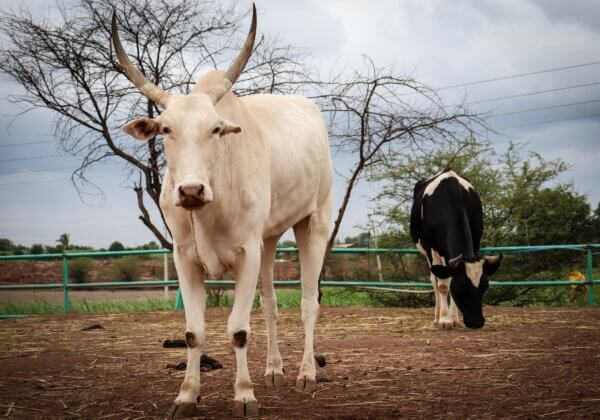
Ironically, much of the leather found in stores around the world comes from India, where cows were once held sacred, but where Western demand for cheap leather has spawned a grotesquely cruel underground industry. Because it is illegal to slaughter cows in most of India, corrupt skin-traders use bribes to smuggle the animals at night across state borders. The cows and calves are marched for days to slaughter in direct violation of the Constitution of India. Those who collapse from exhaustion en route have their eyes smeared with chili peppers and tobacco and their tails broken in an effort to keep them moving.

In the PETA video, Pamela says:

In India, cows have been revered for thousands of years-seen as the symbol of motherhood and givers of life. But now, these animals are being killed. Why? Not just for meat-although what little flesh they have on their bones is exported to Muslim countries. The big demand is from the United States and Europe, and it's for their skin. Poor families in rural India sell their cattle only after receiving assurances that the animals will live out their lives on farms-perhaps the corrupt leather trade's first blatant lie. At auction, young cattle-many of them too young to be legally sold-are separated from their mothers and put up for sale alongside water buffalo, bulls and old dairy cows.

As graphic scenes from a slaughterhouse in Mumbai are shown, Pamela explains that by the time the cattle are unloaded, half have collapsed from injury or exhaustion or have died. She continues:

Handlers carelessly twist the necks and yank the nose ropes of the others to force them off of the truck. Here you see dead and injured animals strewn across the grounds of the Deonar slaughterhouse. Animals not immediately slaughtered may be left in the hot burning sun without water, food or medical care. Some are dragged away by tractors.

As hard as it is to watch, slaughter is actually the only relief these animals get. Cattle are often killed in full view of one another. Since the meat from these cattle will be exported to Muslim countries, the cattle are supposed to be killed humanely in the Islamic halal manner. But the required quick slice across the throat with a sharp knife is replaced by hacking and sawing. Cattle who hesitate to enter the killing floor are beaten until they move. Some have their legs cut off or are skinned while still alive. You're probably thinking, "There ought to be a law." Well, there is. But it's no match for the bribes, corruption or Western demand for cheap leather. The Constitution of India prohibits the slaughter of cows and calves, and the Prevention of Cruelty to Animals Act mandates humane treatment for all animals. India's trucking laws for cattle are excellent but seldom, if ever, enforced.

Pamela notes that there are groups in India opposed to cattle slaughter, and says that some citizens manage to intercept trucks, seize the animals and file charges against the drivers. "But for the most part," she says, "the animals' only hope lies in reduced demand for leather. That's where you come in. You see, leather from Indian cattle makes its way to clothing stores around the world, even those in your town. Please, think twice when buying your next jacket, belt, pair of shoes or gloves."

Because many fashion designers get their leather from India, Pamela is sending them a copy of the PETA video, along with a letter, asking them to "shed their skins" and investigate the many fashionable synthetic alternatives to leather--or at least no longer use leather from India.

In San Francisco, also on February 15, rock singer Chrissie Hynde of The Pretenders hosted a PETA news conference calling on multi-national clothing chain The Gap to stop using leather from India. And on Wednesday, February 16, PETA President Ingrid Newkirk, who conducted the investigation in India, met with officials at the Indian embassy in London, where the story broke on the front page of The Independent. In Frankfurt, on February 19, PETA is organizing a protest outside a major annual international leather expo.

For more information, and to view Pamela's video, please visit our Web site: www.PETAIndia.com.


Return to PETA Home Page