

PETA इंडिया की शिकायत के बाद, लुधियाना के एक व्यक्ति के खिलाफ अवैध वन्यजीव व्यापार और संरक्षित वन्यजीवों के अवैध कब्जे के आरोपों में प्राथमिकी (FIR) दर्ज की गई।
इंस्टाग्राम पर प्रकाशित वीडियो के माध्यम से यह जानकारी मिलने के बाद कि एक व्यक्ति वन्यजीवों की बिक्री की पेशकश कर रहा था, PETA इंडिया ने लुधियाना वन प्रभाग (Ludhiana Forest Division) और सदर रायकोट पुलिस स्टेशन (Sadar Raikot Police Station) के साथ मिलकर उसके खिलाफ प्राथमिकी रिपोर्ट (FIR) दर्ज करवाने में सहायता की। उस व्यक्ति पर भारतीय वन्यजीव (संरक्षण) अधिनियम, 1972 के तहत अनुसूची-I में संरक्षित बोनट मकाक (Macaca radiata) तथा अनुसूची-II में संरक्षित एलेक्ज़ेंड्राइन पैराकीट (Psittacula eupatria) के अवैध व्यापार और कब्जे का आरोप है।
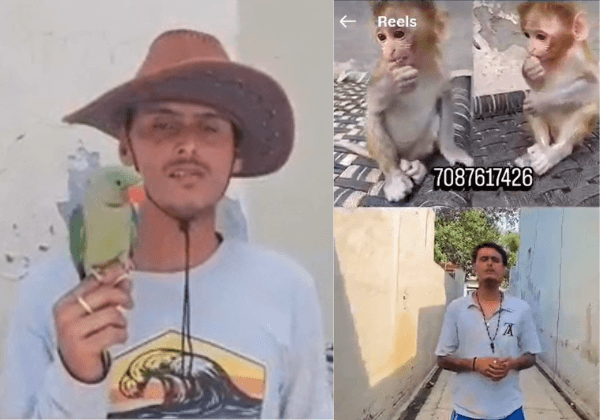
दिलवीर_लोहटबद्दी (badilveer_lohatddi) नामक एक इंस्टाग्राम अकाउंट, जो दलबीर सिंह का है, पर जंगली पशुओं के साथ उसके वीडियो और उन्हें बिक्री के लिए पेश करने वाली पोस्ट साझा की गई थीं। एक प्रमुख वीडियो में उसने एक शिशु बोनट मकाक (Bonnet Macaque) को बिक्री के लिए विज्ञापित किया था और इच्छुक खरीदारों से संपर्क करने का आग्रह किया था। कई अन्य वीडियो में आरोपी को एलेक्ज़ेंड्राइन पैराकीट (Alexandrine Parakeet) के साथ देखा गया।
PETA इंडिया द्वारा दर्ज कराई गई शिकायत के बाद, लुधियाना वन प्रभाग ने सदर रायकोट पुलिस स्टेशन की सहायता से आरोपी के निवास पर छापेमारी की। छापे के दौरान उसके घर से कोई वन्यजीव बरामद नहीं हुआ, लेकिन सोशल मीडिया पर उपलब्ध साक्ष्यों के आधार पर आरोपी के खिलाफ वन्यजीव (संरक्षण) अधिनियम, 1972 की विभिन्न धाराओं के तहत प्रथम सूचना रिपोर्ट (FIR) दर्ज की गई है। PETA इंडिया लुधियाना वन प्रभाग, विशेष रूप से रेंज फॉरेस्ट ऑफिसर श्री नरेंद्र सिंह, तथा सदर रायकोट पुलिस स्टेशन की सराहना करता है, जिन्होंने यह स्पष्ट संदेश दिया है कि पशुओं के प्रति क्रूरता किसी भी स्थिति में बर्दाश्त नहीं की जाएगी।
अनुसूची-I के अंतर्गत संरक्षित प्रजातियों से संबंधित अपराधों के लिए कम से कम तीन वर्ष के कारावास का प्रावधान है, जिसे सात वर्ष तक बढ़ाया जा सकता है, साथ ही न्यूनतम ₹25,000 का जुर्माना लगाया जा सकता है। वहीं अनुसूची-II के अंतर्गत संरक्षित प्रजातियों से जुड़े अपराधों के लिए तीन वर्ष तक की कैद, ₹1 लाख तक का जुर्माना, या दोनों दंड दिए जा सकते हैं।
वन्यजीवों का स्थान जंगल हैं, उनका प्राकृतिक आवास, न कि मनुष्यों द्वारा कैद में रखा जाना या पिंजरों में बंद किया जाना। हिंदू धर्म में पूजनीय होने के अलावा, बंदर बीजों के प्रसार के माध्यम से स्थानीय पारिस्थितिकी तंत्र में महत्वपूर्ण भूमिका निभाते हैं। उनका भोजन मुख्य रूप से फलों पर आधारित होता है, जिसके कारण वे बीज फैलाने में सहायक होते हैं। उनकी अनुपस्थिति जंगलों के लिए हानिकारक साबित हो सकती है।
अवैध पक्षी व्यापार में अनगिनत पक्षियों को उनके परिवारों से अलग कर दिया जाता है और उनसे उनकी प्राकृतिक स्वतंत्रता छीन ली जाती है, ताकि उन्हें “पालतू” के रूप में बेचा जा सके या पर्यटन आकर्षण के तौर पर इस्तेमाल किया जा सके। अक्सर छोटे पक्षियों को उनके घोंसलों से छीन लिया जाता है, जबकि अन्य पक्षी जालों और फंदों में फंसकर गंभीर रूप से घायल हो जाते हैं या संघर्ष करते हुए अपनी जान गंवा देते हैं। पकड़े गए पक्षियों को छोटे बक्सों में ठूंस दिया जाता है, और अनुमानतः लगभग 60 प्रतिशत पक्षी परिवहन के दौरान टूटे हुए पंखों, टूटी टांगों, प्यास या अत्यधिक भय के कारण मर जाते हैं। जो जीवित बच जाते हैं, उन्हें कैद में कुपोषण, अकेलेपन, अवसाद और तनाव से भरा जीवन बिताना पड़ता है।
वन्यजीव (संरक्षण) अधिनियम, 1972 भारत की स्वदेशी पक्षी प्रजातियों को पकड़ने, पिंजरों में रखने और उनके व्यापार पर प्रतिबंध लगाता है। इसके उल्लंघन पर कारावास, जुर्माना या दोनों दंड दिए जा सकते हैं। इसके अतिरिक्त, पक्षियों को पिंजरों में बंद रखना पशु क्रूरता निवारण अधिनियम, 1960 का भी उल्लंघन है। यह अधिनियम किसी भी पशु को ऐसे पिंजरे या बाड़े में रखने को अवैध घोषित करता है जहाँ उसे पर्याप्त रूप से हिलने-डुलने की स्वतंत्रता न मिले। उड़ने वाले पक्षियों के लिए यह स्वतंत्रता उनके उड़ने के अधिकार को भी शामिल करती है।
पशुओं के प्रति क्रूरता की हमेशा रिपोर्ट करें
पक्षियों को पिंजरों में बंद रखने पर प्रतिबंध लगाने में मदद करें