

US EPA Collaborations with PETA Scientists Spare Animals from Testing and Advance Human Relevant Science
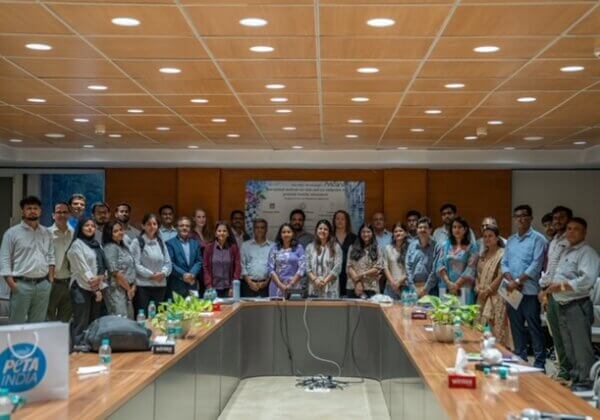
Hard work and smart science save animals! PETA scientists are working with the U.S. Environmental Protection Agency (US EPA) to modernize chemical safety testing by replacing outdated animal‑based methods with advanced non‑animal approaches. In one major step forward, the US EPA applied an approach co-developed by PETA scientists that shows how to use existing toxicity data to predict the likelihood of cancer without killing more animals. In another, the agency published a document outlining how non-animal tests can—and should—be used to assess chemicals for skin irritation. Building on this progress, PETA India scientists are now working to help ensure these scientifically advanced approaches are adopted in India as well.
Thousands of Animals Spared From Cancer Tests
The U.S. EPA spared 1,600 animals from deadly chemical tests after successfully applying a scientific approach created by the EPA, PETA scientists, and other experts. This is just the beginning, as the EPA and other regulatory agencies including in India can use this and similar approaches to spare even more animals!
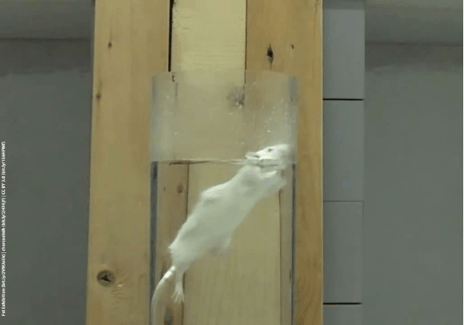
When assessing a chemical’s cancer-causing potential, hundreds of animals are forced to ingest or inhale chemicals every day for up to two years, only to be killed and their bodies examined. More than 50 years of scientific literature demonstrate that the data collected from these cancer tests on rats and mice aren’t relevant to humans. In addition, these tests on animals take years to conduct, delaying us from quickly learning about the chemicals in our environment.
However, the approach co-developed by PETA scientists shows how to use existing toxicity data to predict the likelihood of cancer without killing more animals. The EPA used this approach to assess two chemicals for their cancer-causing potential. If the agency had used the outdated cancer test on animals, approximately 1,600 rats and mice would have been killed in these life-long tests.
This milestone follows years of work by EPA, PETA scientists, and other collaborators. Together, they co-authored two papers in the scientific literature and published examples demonstrating how to use the new approach through the Organisation for Economic Co-operation and Development (OECD)—the international body that sets guidelines for how chemicals are tested.
As EPA and other regulatory agencies begin using this approach, many more animals will be spared from tests in which they are forced to ingest or inhale toxic chemicals or have them applied to their skin.
EPA Shed Outdated Skin Tests on Rabbits
Following the EPA’s announcement last month to recommit to phasing out tests on animals, the agency’s Office of Pollution Prevention and Toxics (OPPT) published a new document outlining how non-animal tests can—and should—be used to assess industrial chemicals for skin irritation.
The document prioritizes the use of reliable and human-relevant non-animal methods over those that use live rabbits to assess skin irritation and corrosion. It provides important clarity to industry and within the EPA on how to submit and review skin irritation data—increasing transparency, consistency, and confidence in the use of non-animal data.
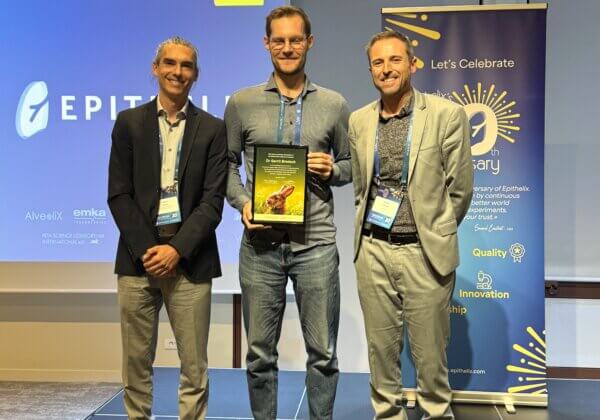
For years, PETA scientists and the EPA have collaborated on projects to advance reliable, relevant non-animal approaches for chemical testing—ones that can more reliably protect humans and the environment. PETA scientists collaborated with the EPA and other experts to develop this skin irritation framework, and together, they are presenting on it at the upcoming Society of Toxicology annual meeting.
In the animal test, a chemical is applied to the shaved backs of rabbits, who are then monitored for two weeks for signs of skin damage, including inflammation, ulcers, and bleeding. The EPA’s move away from reliance on rabbit tests in favor of more reliable, human-relevant non-animal methods is a win for humans and other animals.
This most recent win for 21st-century science follows one in 2024, when the agency cclarified how non-animal methods should be prioritized to evaluate the potential of industrial chemicals to irritate the eyes—a document that cited work by PETA scientists.
Currently, PETA scientists are working to replace the use of rats in inhalation tests, cohosting free webinars on how to use non-animal toxicity testing approaches, and much more. We’re driving major progress in replacing tests on animals with non-animal science—stay tuned for more victories as PETA scientists continue to work for change!
What You Can Do
The Department of Agriculture and Farmers Welfare, Ministry of Agriculture and Farmers Welfare, is asking for public comments on the draft ‘Pesticide Management Bill, 2025’ to modernise pesticide regulations. Let the authorities know that reliable non-animal methods should be used to evaluate pesticides.