
Solapur’s Jai Hind Sugar Becomes the First Mill to Earn PETA India’s ‘Bull-Free’ Certification
Solapur’s Jai Hind Sugar Pvt Ltd. becomes the first mill to earn PETA India’s “100% Bull-Free” certification—an initiative that recognises sugar mills for fully operating without the use of bull labour. This debut signals growing demand from international and Indian sugar buyers for animal-free and wholly mechanised sugar-supply systems, driven by animal and human welfare concerns. The certification supports Animal Rahat’s Sugarcane Industry Mechanization Project, which is helping mills transition to mechanized alternatives such as tractors—freeing bulls from the gruelling labour of hauling heavy sugarcane carts.
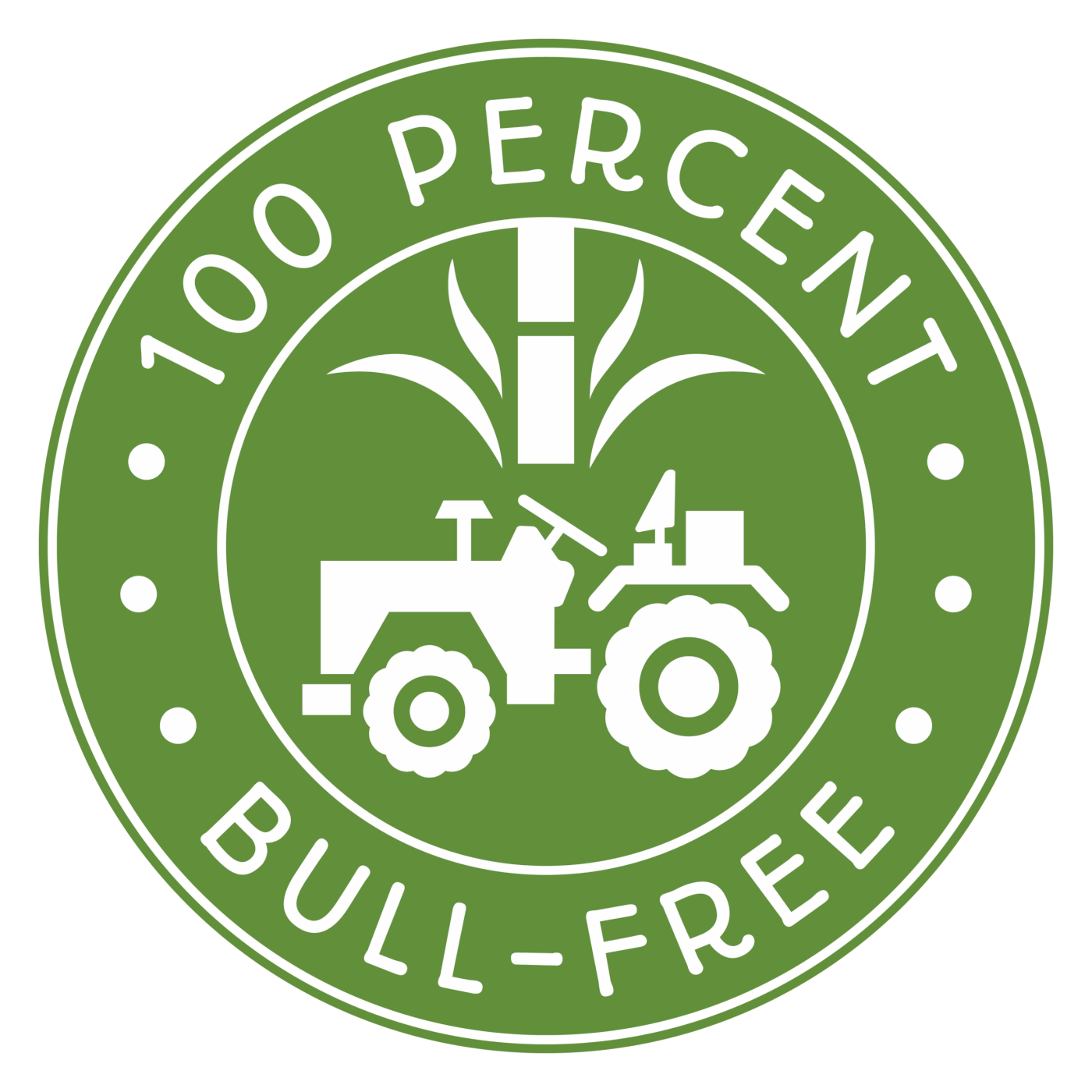
Credit: PETA India
“We are proud to be among the first to receive PETA India’s 100% Bull-Free certification. By replacing bullock-driven transportation with fully mechanised transportation, our operations have become more efficient and animal-friendly. We also believe this will improve the health and well-being of our workers.”
– Mr. Ganesh Mane Deshmukh, Chairman, Jai Hind Sugar Pvt. Ltd.
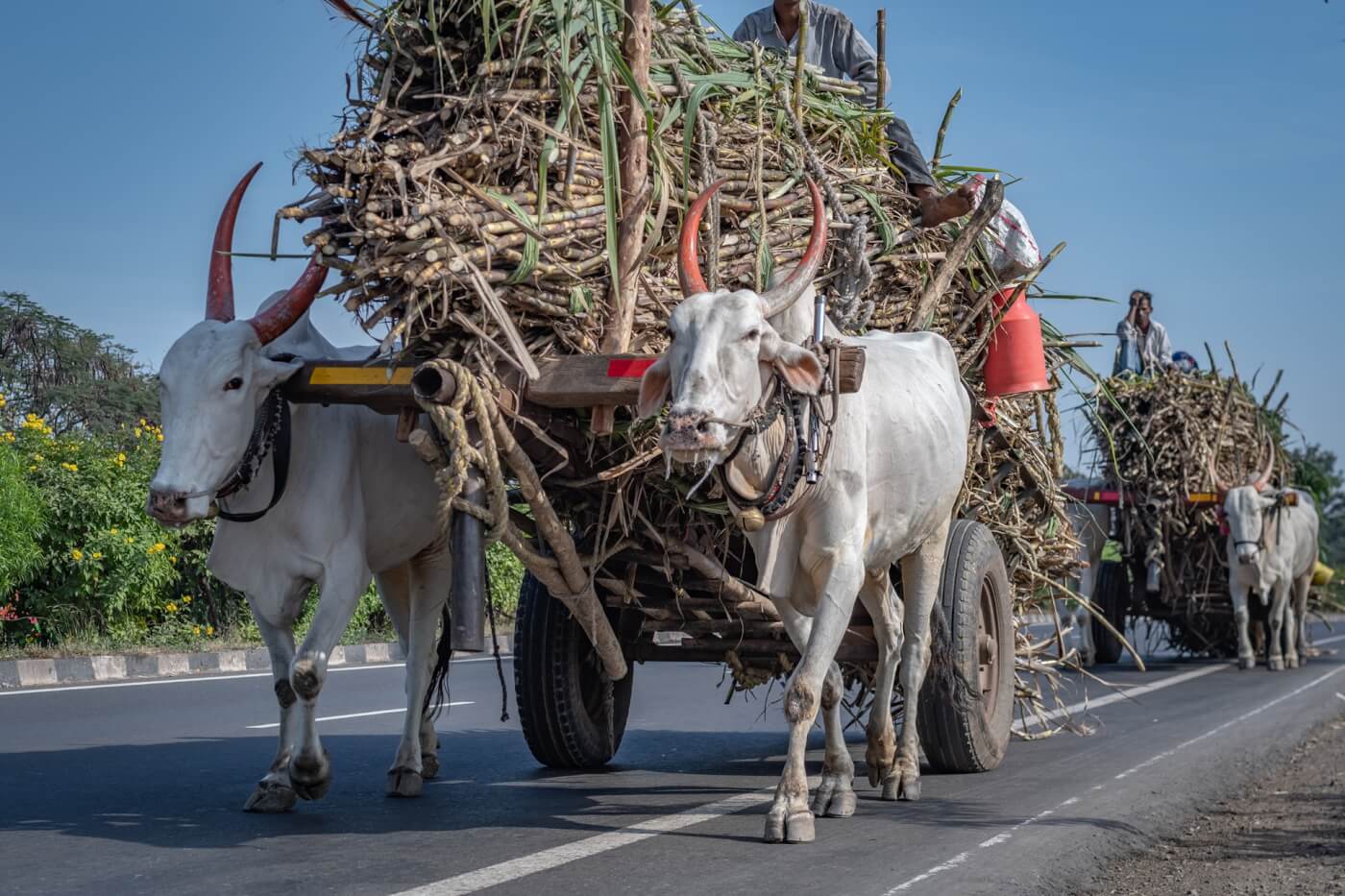
Bulls are highly social animals who forge deep bonds with other bulls and cows and can become stressed when separated from them. Yet in the sugar industry, bulls endure excruciating conditions, pulling overloaded carts under the blazing hot sun with minimal rest, food, or water. The bulls are often forced to carry up to double the legal weight and are subjected to violent methods of control using nose ropes and sharp tools such as cylindrical spikes, nail-studded spikes, and barbed wire, resulting in frequent injuries.
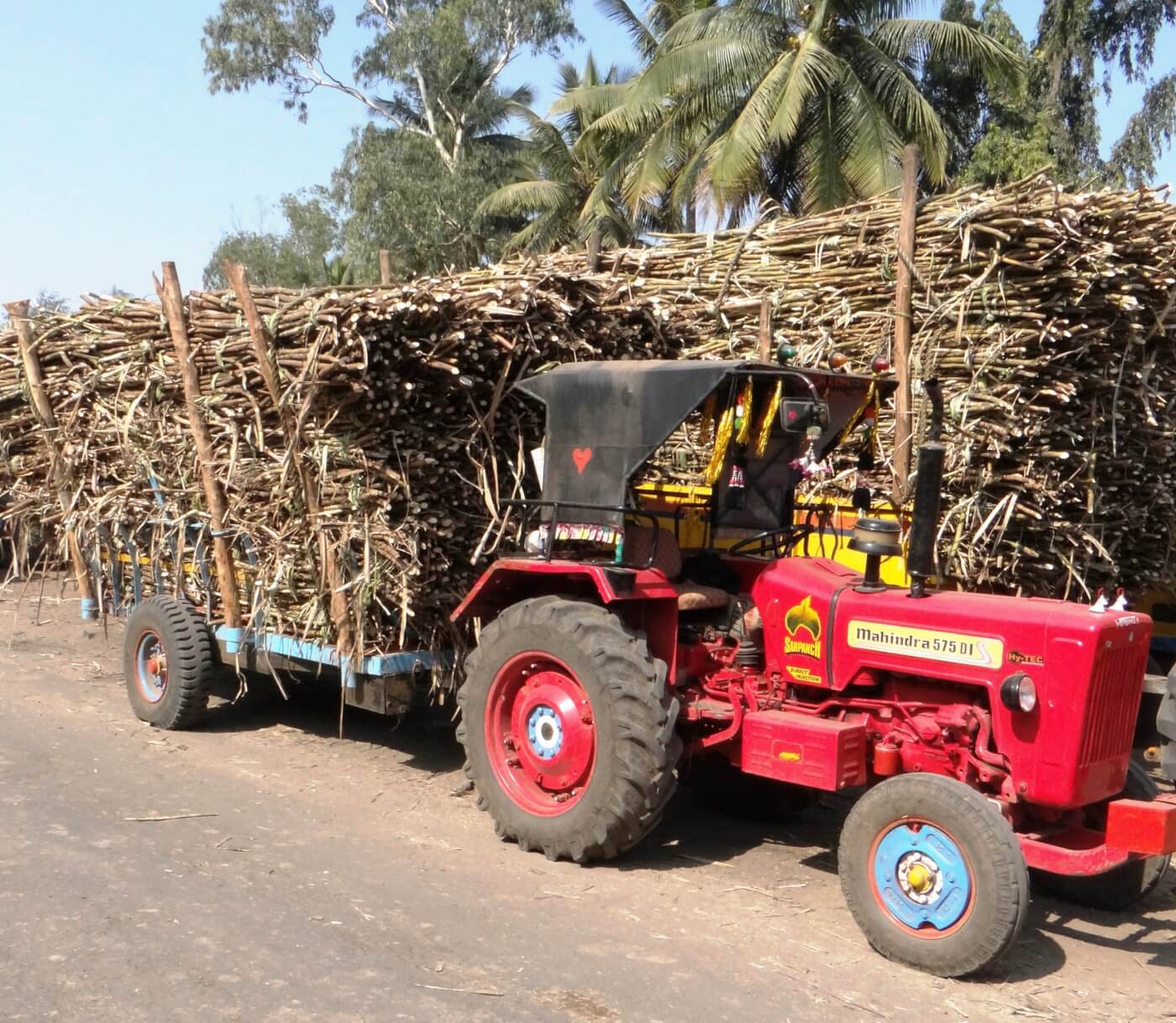
Eliminating the use of bullock carts is not only humane but also a practical and profitable decision. By replacing bullock carts with tractors and trucks, sugar mills allow bulls to retire, eliminate animal abuse, improve transport efficiency and safety, and enhance the income and working conditions for families involved in sugarcane transport, many of whom migrate with bullocks from impoverished areas during the harvest season, and who face a range of difficulties. Each tractor can transport 8 to 18 tons per trip and can replace multiple bulls, giving owners valuable time to explore other income opportunities.
Tell Unilever to Choose Tractors Instead of Bulls for Sugar Supply Tell Pepsi to Choose Tractors Instead of Bulls for Sugar Supply