

Over 300 Birds Rescued From Howrah to CSMT Train by PETA India
In a significant victory for the welfare of birds, the Judicial Magistrate First Class (JMFC) 35th Court, CSMT, has granted interim custody of 282 birds to Kalote Animal Trust, as a result of efforts following the registration of an FIR by the Chhatrapati Shivaji Maharaj Terminus (CSMT) Railway Police Station, based on a complaint by PETA India.
The order stems from a rescue operation involving hundreds of budgerigars, finches, and cockatiels who were transported from Howrah to Mumbai in severely overcrowded cages aboard the Geetanjali Express (Train No. 12860). Acting on information and a complaint submitted by PETA India, officials of the Government Railway Police (GRP), Mumbai and the Railway Protection Force (RPF) intercepted the consignment when the train arrived at CSMT shortly after midnight on 8 September.

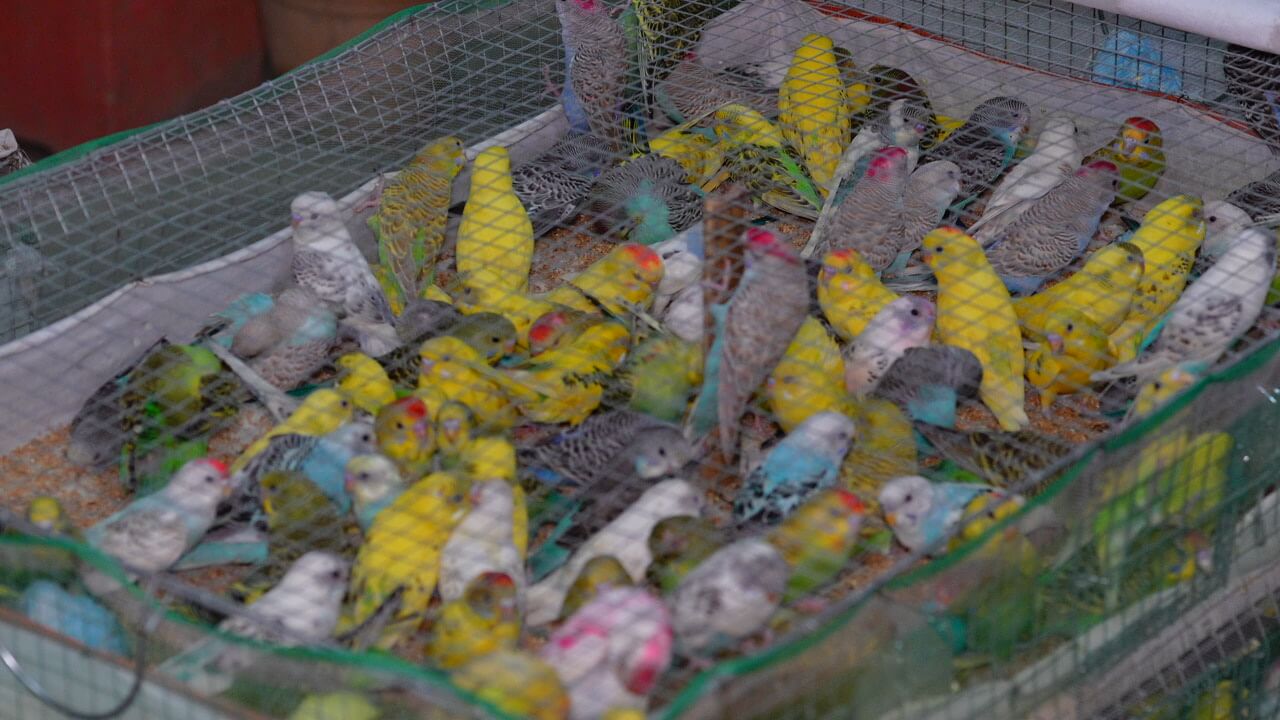
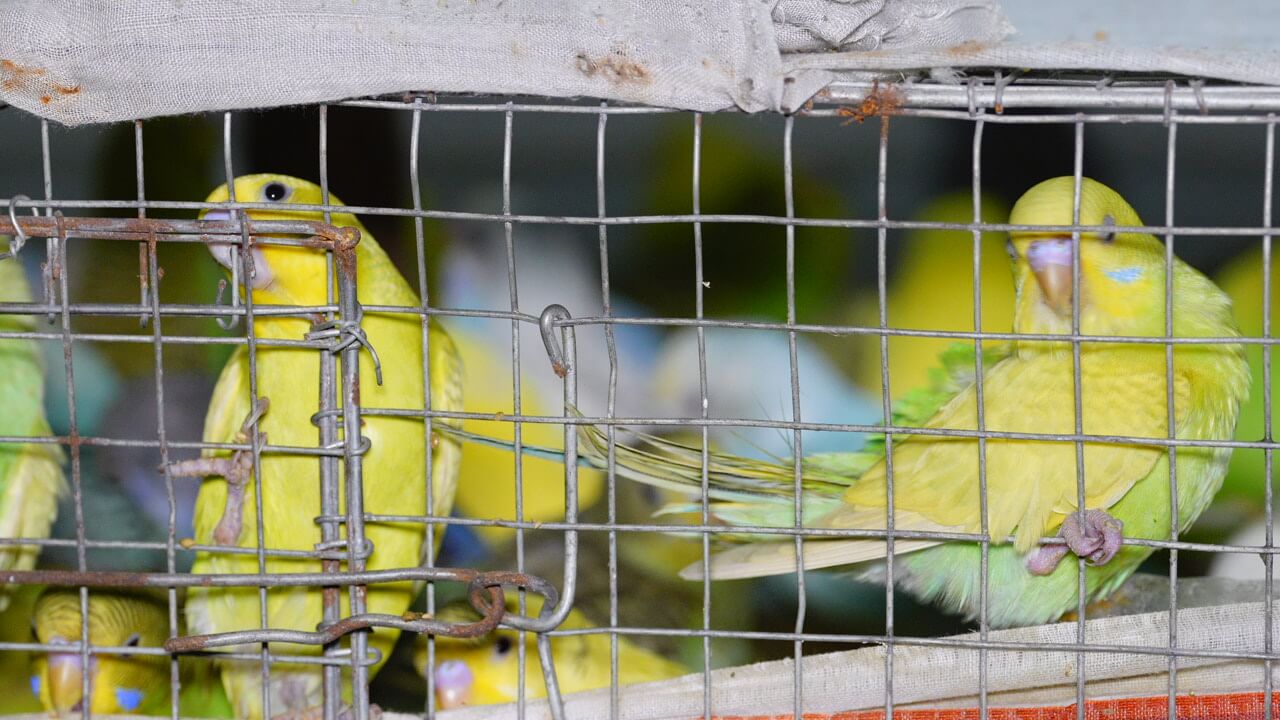

During the inspection, officials found approximately 2100 birds crammed into seven cages in the train’s parcel compartment, with little room to move, after a journey lasting more than 32 hours without adequate ventilation, care, or supervision. Despite the apparent cruelty involved in the transport and strong protest by PETA India, the birds were initially released to the consignees, who reportedly operate a pet shop in Kurla.

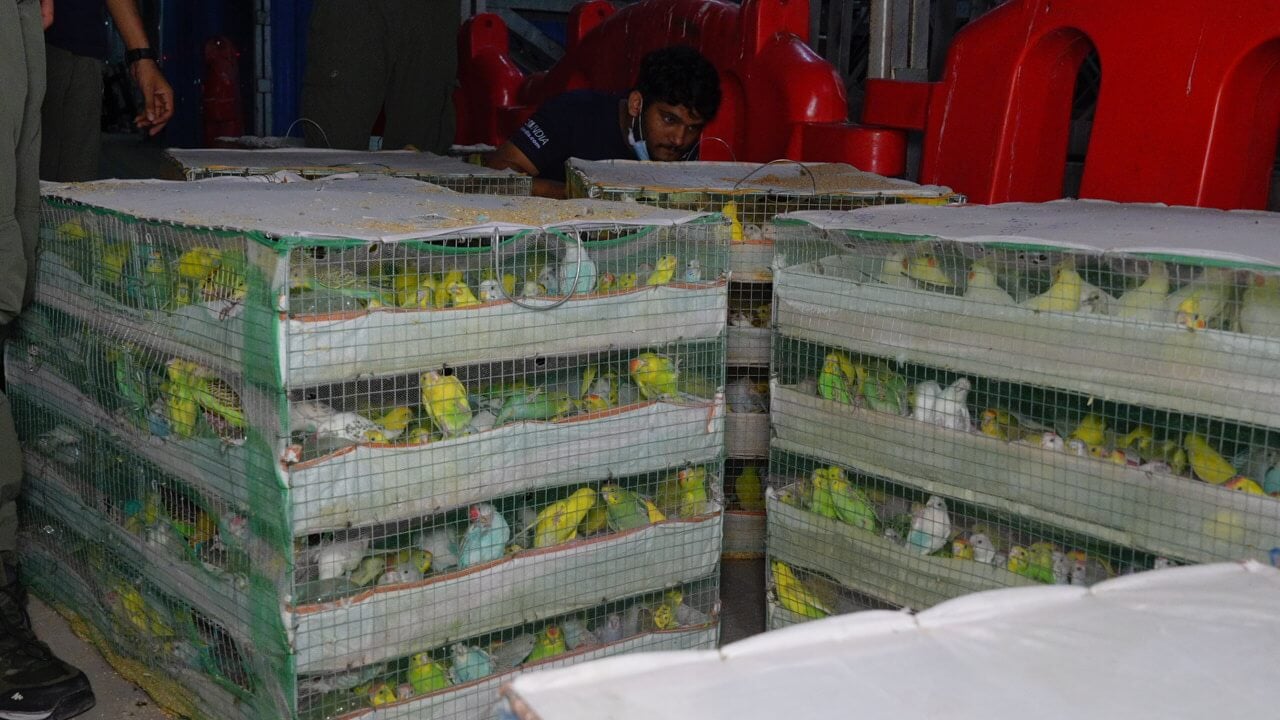
Following escalation of the matter to senior police officials, the CSMT Railway Police Station registered a First Information Report (FIR) under Sections 62 and 325 of the Bharatiya Nyaya Sanhita, 2023, and Sections 11(1)(a), 11(1)(e), 11(1)(f), and 11(1)(k) of the Prevention of Cruelty to Animals Act, 1960. Police subsequently raided the pet shop and managed to seize 337 birds, who were examined by a government veterinarian. However, 55 subsequently died from the trauma of long-distance transport while in hospice care. Post-mortem examinations were conducted on the deceased birds.
PETA India thereafter moved an application before the 35th JMFC Court, CSMT, seeking interim custody of the birds in favour of Kalote Animal Trust, an animal sanctuary in Raigad district of Maharashtra. Applying the provisions of the Prevention of Cruelty to Animals (Care and Maintenance of Case Property Animals) Rules, 2017, the Hon’ble Magistrate rejected return of property applications filed by the accused owners and granted interim custody of all surviving birds to Kalote Animal Trust on PETA India’s recommendation.
PETA India continues to work with the police to trace and secure the missing birds not recovered during the raid. A representation to this effect, requesting the expedited tracing and seizure of the remaining birds, has been submitted to the Deputy Commissioner of Police, Central Zone, GRP Mumbai.
PETA India is grateful to Hon’ble Magistrate Shri Manojkumar Budhwant, JMFC 35th Court, for considering the birds’ plight and directing their interim rehabilitation to a sanctuary, as well as to the Government Railway Police Mumbai, particularly Deputy Commissioner of Police Smt Pradnya Jedge, and the officers of the CSMT Railway Police Station and the Railway Protection Force for their prompt intervention and support, which helped save hundreds of birds from further suffering.
In the bird trade, countless birds are taken from their families and denied everything that’s natural and important to them so that they can be sold as “pets”. Fledglings are often snatched from their nests, and other birds panic as they’re caught in traps or nets that can seriously injure or kill them as they struggle to break free. Captured birds are packed into small boxes, and an estimated 60% of them die in transit from broken wings and legs, thirst, or sheer panic. Those who survive face a bleak life in captivity, suffering from malnutrition, loneliness, depression, and stress. Birds are highly intelligent, social animals who belong in the open skies, not confined to cramped cages and transported like cargo, to be sold as decoration.
The Wildlife Protection Act, 1972, bans the capture, caging, and trading of indigenous birds and that non-compliance can result in imprisonment, a fine, or both. In addition, caging birds violates the Prevention of Cruelty to Animals Act, 1960, which stipulates that it’s illegal to keep or confine any animal in a cage or other receptacle that doesn’t provide them with a reasonable opportunity for movement – and for an aerial bird, that includes flight.
Help Ban Caging of Birds