

Mice Force-Fed With Faecal Bacteria: PETA India Calls On “Oreo” Manufacturer Mondelēz to Stop Senseless Animal Testing For Good
Update (January 13, 2026): Mondelēz International, the maker of Oreo cookies and other snack foods, has just closed loopholes in its animal testing policy after relentless campaigning from PETA and more than 63000 supporters like you. After several meetings with PETA U.S., the global food giant has amended its public animal testing policy, which previously allowed myriad horrific and deadly experiments on animals, including one that force-fed mice human feces. Read more about this victory here.
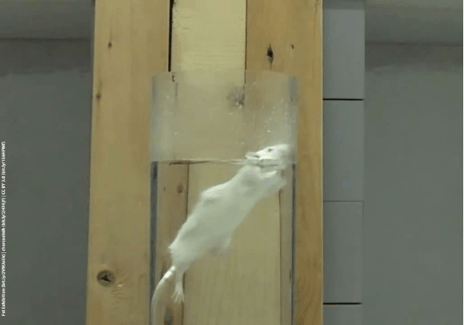
PETA India has sent a letter to Mondelēz, the manufacturer of the popular cookie variety “Oreo”, urging the management to permanently stop animal testing that is not expressly required by law, such as one experiment that had involved force-feeding human feces to mice.
Although Mondelēz adopted a limited global ban on animal testing in 2018 after consulting with PETA US, a loophole continues to allow animal testing under the guise of promoting basic “nutritional science”. Mondelēz claims not to test products on animals unless required by law, but the company has funded numerous “nutritional science” experiments such as force-feeding mice with human faecal bacteria, which have been shown to produce no health-relevant results for humans.
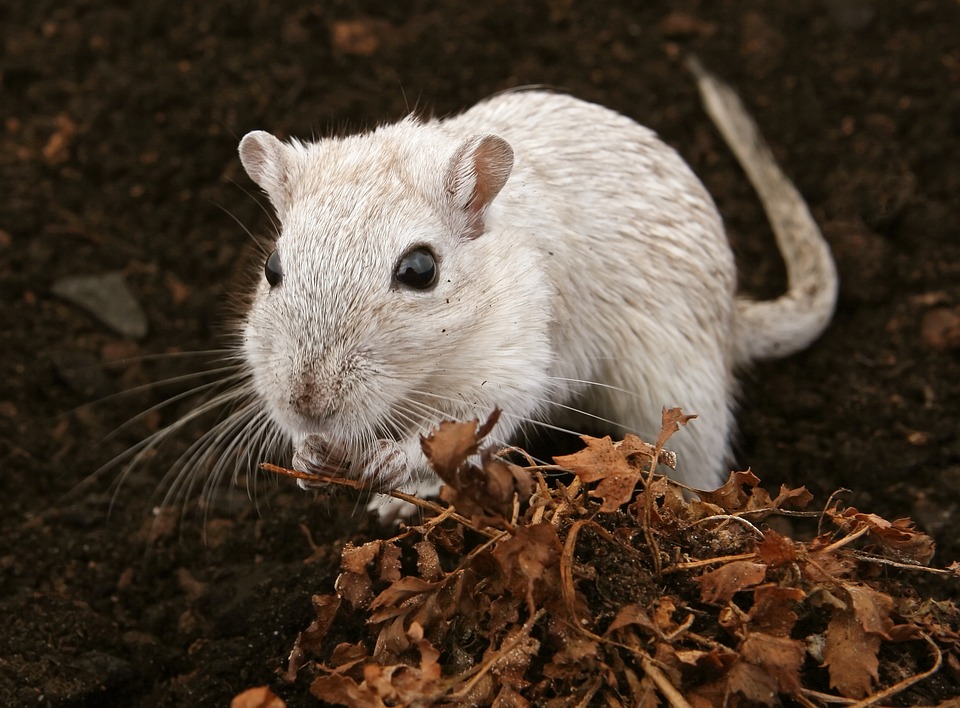
Force-feeding mice with harmful faecal bacteria, chemicals and glass beads is completely unacceptable and should have been banned long ago – especially when these experiments have no scientific or legal basis. We call on Mondelēz to finally turn its back on animal testing and join the many companies that have joined PETA’s ’Eat without Experiments’ program. The damage to brand reputation from continuing to conduct or fund these tests is growing by the day, and consumers worldwide no longer want to support it.
PETA India and food manufacturers around the world take action against senseless testing
Common food ingredients, for which there are no toxicity concerns, should not be tested on animals. Studies such as these could be carried out safely with consenting human volunteers, which, unlike animal testing, would allow clinically relevant results to be obtained. A large number of modern in vitro and computer models can also be used to research the effects of food on human health.
More than 128,000 consumers have contacted Mondelēz through online action alerts via PETA India, PETA Germany, PETA US, PETA UK, PETA France, PETA Netherlands, PETA Australia, PETA Latino, and PETA2, to call for a ban on animal testing. More than 400 food and beverage companies – including Ferrero and Unilever – have already signed up to PETA’s Eat Without Experiments program, pledging to refrain from non-legally required animal testing.
Food authorities worldwide: no acceptance of animal testing
PETA US has already sent Mondelēz a scientific critique highlighting the weaknesses of these animal experiments. The New Drugs and Clinical Trials (Amendment) Rules 2023, passed by the Indian government, allows for the use of non-animal methods for assessing drug safety and efficacy, replacing traditional animal testing. The US National Institutes of Health (NIH) also recently announced its intention to launch “a new initiative to expand innovative, human-based science while reducing animal use in research”. The European Food Safety Authority (EFSA), the US Food and Drug Administration (FDA), the Food Directorate of Canada Health and other institutions do not accept animal testing as the sole evidence for health claims for foods.
Help Us Stop Oreo's Cruel Experiments