
Giant ‘Babies’ Urge Gujarat Passers-By to Grow Up and Go Dairy-Free in PETA India World Breastfeeding Week Campaign
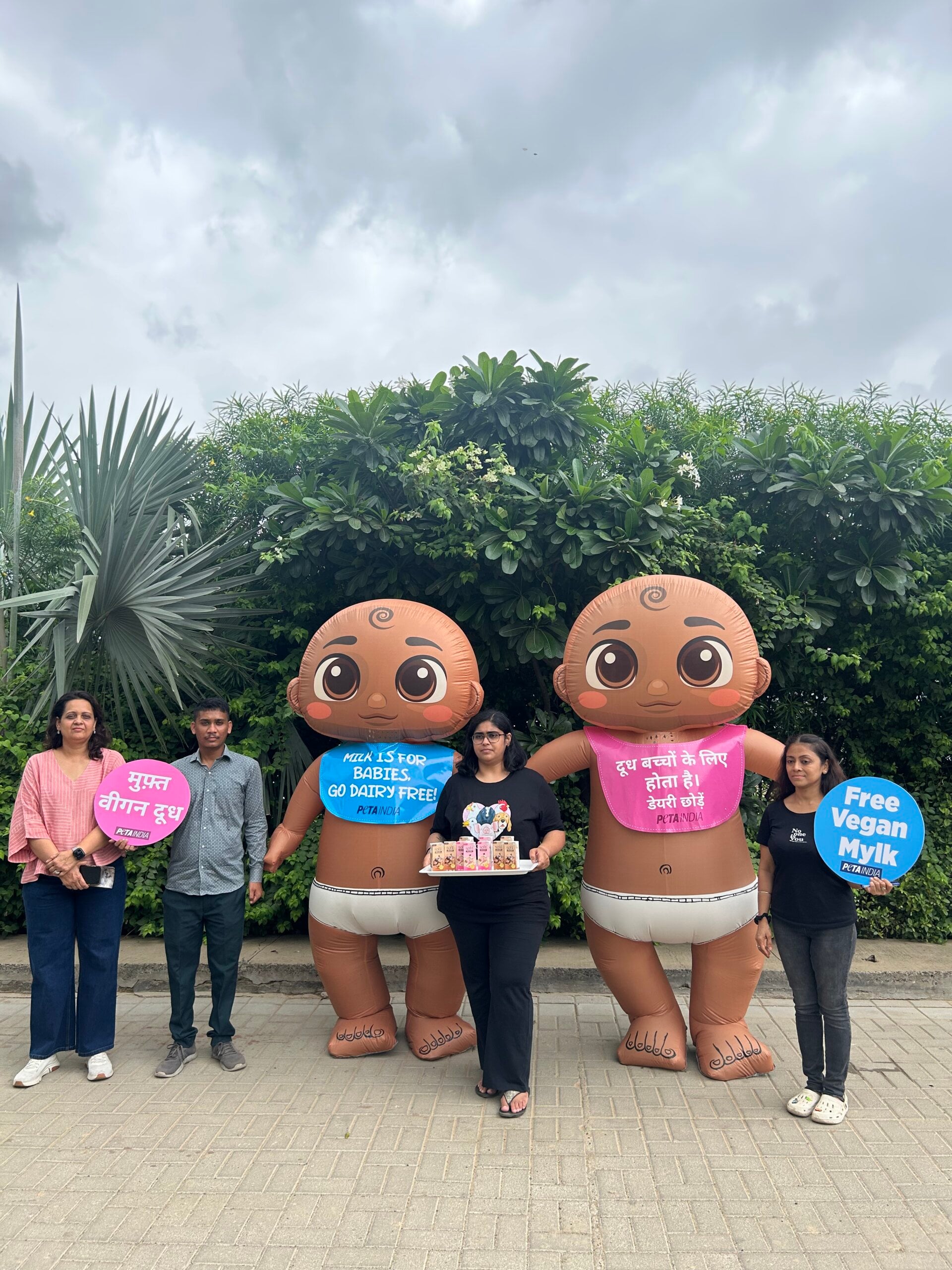
During World Breastfeeding Week (1 to 7 August), a pair of supporters from PETA India and Vegans of Gujarat wearing 2.5-metre-tall inflatable infant costumes gathered in Ahmedabad, handed out packets of ice-cold mylk (milk made from nuts or other plants) while holding signs reading, “Milk Is for Babies, Go Dairy Free.” The event celebrated the growing popularity of delicious plant-based alternatives while reminding the public that the mothers of all mammal species – cows and humans included – produce milk for their babies and that no one requires any milk after the age of weaning, we can thrive on a wide variety of nutritious plant-based foods.
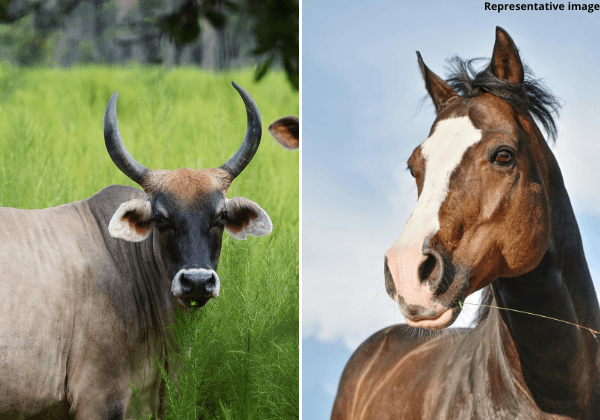
In the dairy sector, cows and buffaloes are forcibly inseminated (workers insert an arm into the cow’s rectum and a metal rod carrying bull semen into her vagina), and their newborn calves are stolen from them shortly after birth. Males are typically cast out on the roads, starved, or sold to be killed for their flesh and skin, while females are sentenced to the same fate as their mothers: they’re used as milk machines until their bodies give out, at which point, many are abandoned or slaughtered.
India is internationally admired for its long-standing tradition of compassionate, plant-rich eating. A Statista Consumer Insights survey found that India leads the world in following a meat-free diet, with 9% of Indians now identifying as vegan (wholly plant-focused). With ever more Indians embracing vegan eating for their health, for animals, and for the environment, PETA India envisions a future where cows and buffaloes are free to raise their young naturally, and everyone enjoys the abundance of delicious plant-based foods that reflect India’s enduring values of ahimsa.
According to the Academy of Nutrition and Dietetics, the world’s largest organisation of food and nutrition professionals, vegans are at reduced risk of certain health conditions, including ischemic heart disease, type 2 diabetes, hypertension, certain types of cancer, and obesity. The University of Oxford researchers state that going meat—and dairy-free can reduce an individual’s carbon footprint from food by up to 73%.
For those who enjoy the creamy taste, mylk made from a variety of nuts, oats, seeds, millet, soya, rice, or other plants is a nutritious and tasty option.