

South and North Goa District Collectors Invite PETA India to Lead Workshops to Tackle Dhirio Bullfighting Menace
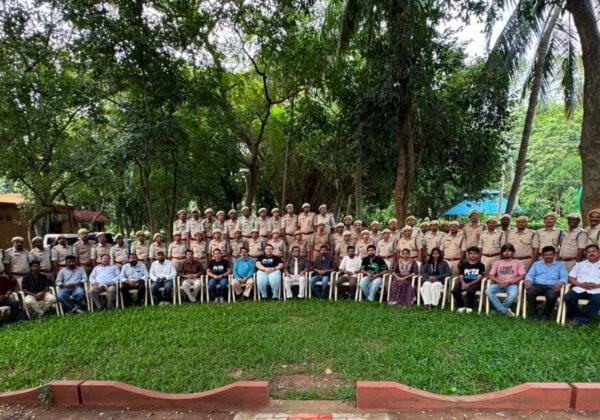
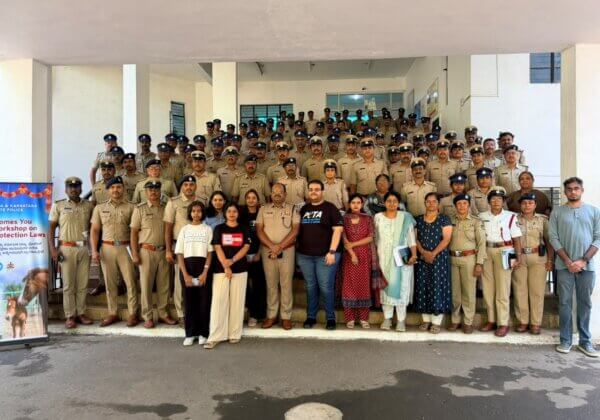
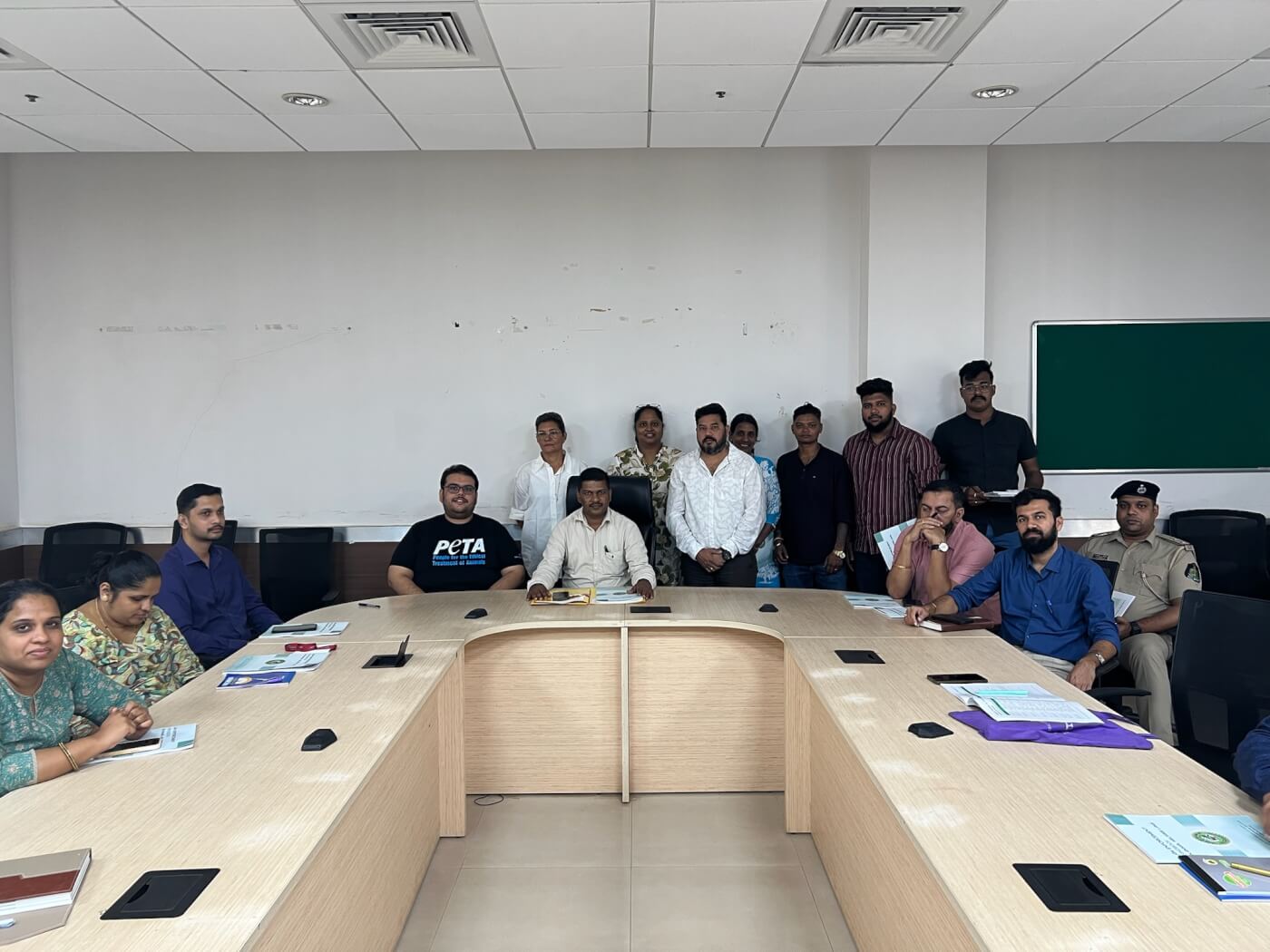
This week, police officers and other officials from the North and South Goa districts convened at their respective collectorate offices for workshops organised by PETA India on the request of the respective District Collectors. The training focused on combating cruelty to animals, with particular emphasis on preventing and taking strict action against illegal dhirio (bullfighting) events. The initiative was spearheaded under the leadership of Ms Egna Cleetus, IAS, District Collector, South Goa; and Shri Ankit Yadav, IAS, District Collector, North Goa.
Over 100 attendees, including executive magistrates, police officers, animal husbandry department officials, and District SPCA field officers, participated in two-hour workshops. The workshop agenda aimed to combat dhirio, or bullfighting, in Goa and covered the provisions of the Prevention of Cruelty to Animals (PCA) Act, 1960; Bharatiya Nyaya Sanhita (BNS) 2023; the Goa Public Gambling Act, 1976, and other relevant laws.
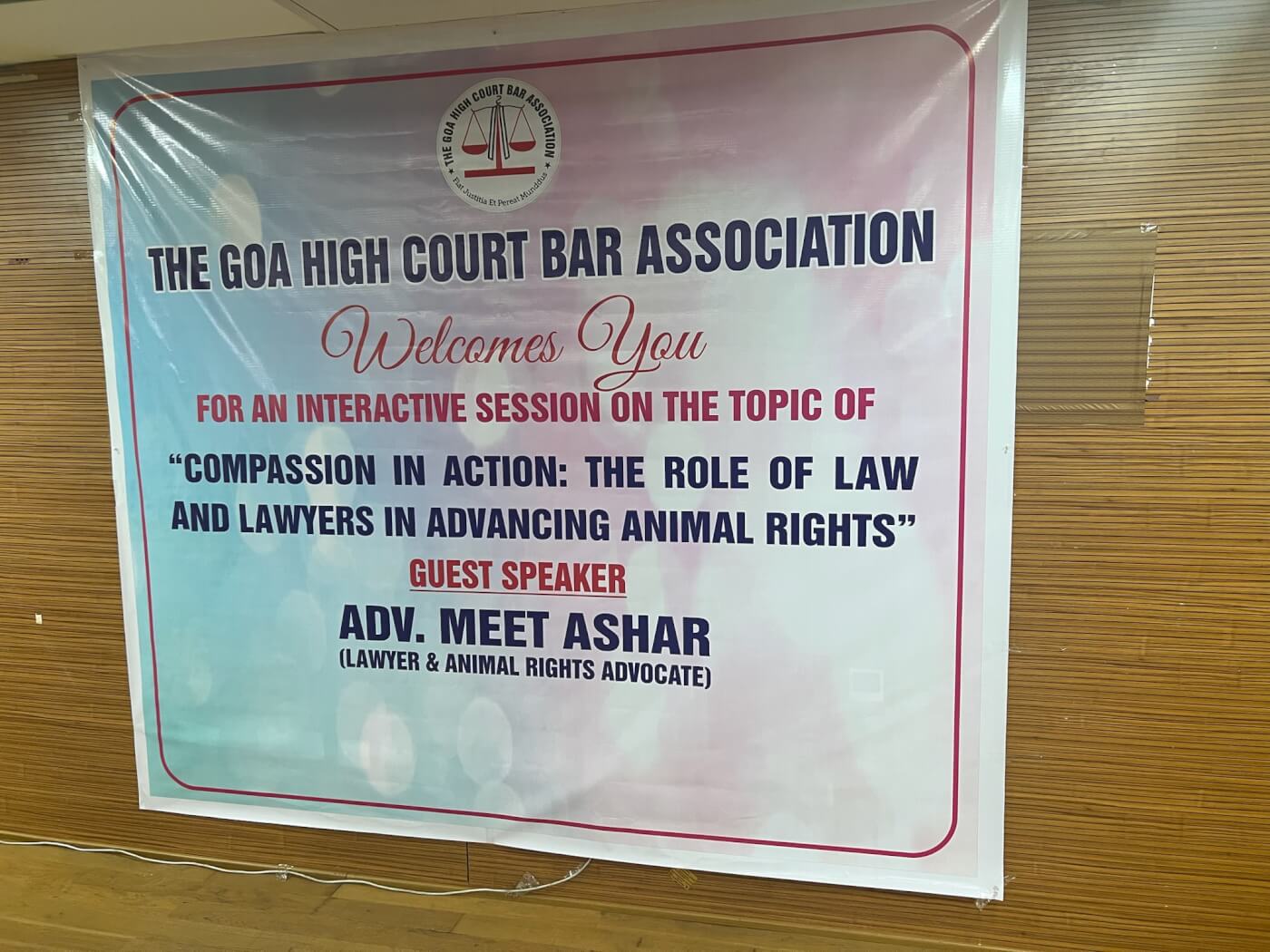
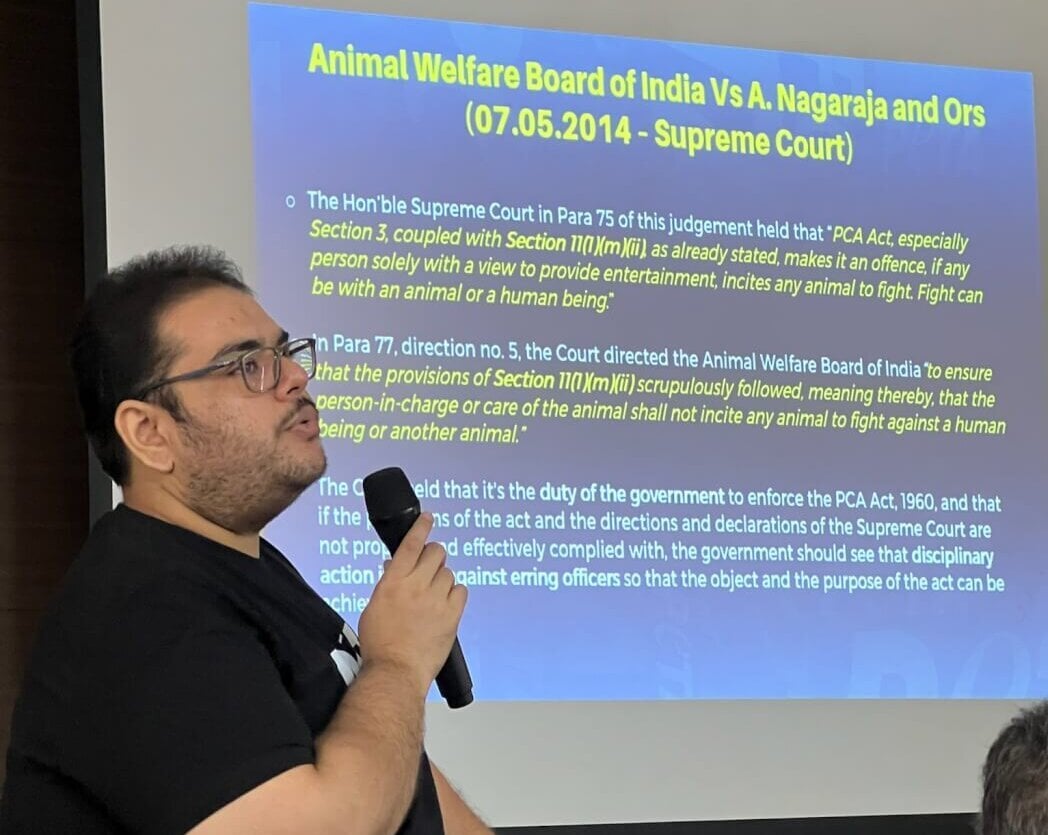
In addition, on 10 September, PETA India’s Legal Advisor and Director of Cruelty Response, also a lawyer, Meet Ashar, addressed a gathering of practising lawyers at the Goa High Court Bar Association on the topic ‘Compassion in Action: The Role of Law and Lawyers in Advancing Animal Rights’. Meanwhile, on 11 September, a workshop was held in Panaji for feeders, animal caregivers, and rescuers from South and North Goa. The workshop covered feeders’ rights, responsible feeding of community animals, and animal protection laws protecting community animals.
With these one-of-a-kind workshops on animal protection laws conducted over the past few months, the Goa state police, administration, animal husbandry and veterinary services department are now sensitised on animal protection laws and procedures.
In 1996, the Goa Bench of the Bombay High Court declared that dhirios are illegal under the PCA Act, 1960. The Court directed the authorities to immediately ban all animal fights in Goa and ensure full compliance with this ruling. In 2021, a contempt petition was filed by People for Animals, alleging that the respondents had failed to adhere to the High Court’s directions issued on December 20, 1996. In response to the court’s directions, the district collectors from both districts established a special task force to combat illegal dhirio activities in the state.
The PCA Act, 1960, prohibits inciting animals to fight with each other. In a landmark judgment in 2014, the Supreme Court of India ruled in favour of the petitioners, PETA India, and the government advisory body, the Animal Welfare Board of India, establishing that bullfighting, dogfighting, and any other staged fights between animals, including between humans and other animals, for entertainment, must end.
Bullfighting involves pitting two bulls against each other in a violent and often bloody confrontation. The animals are hit and goaded into fighting until one is deemed the winner. The goal is to incite violence between the animals for entertainment and often for gambling. These events subject the animals to significant physical and psychological harm, including fractures, puncture wounds, and severe stress.
In 2021, the Federation of Indian Animal Protection Organisations released a report revealing that in the decade prior, nearly 500,000 animals – including cows and dogs – were victims of crimes.
PETA India notes that many violent criminals have a documented history of cruelty to animals. A study published in Forensic Research and Criminology International Journal warns, “Those who engage in cruelty to animals were [three] times more likely to commit other crimes, including murder, rape, robbery, assault, harassment, threats, and drug/substance abuse. The major motivations for engaging in cruelty to animals include anger, fun, control, fear, dislike, revenge, imitation, and sexual pleasure.”
PETA India has long campaigned to strengthen the PCA Act, 1960, which contains outdated, inadequate penalties, such as a maximum fine of only Rs 50 for convicted first-time offenders (although the BNS, 2023, prescribes stronger punishments). In a proposal sent to the central government regarding an amendment to the PCA Act, PETA India has recommended significantly increasing penalties for cruelty to animals.
Demand Stronger Penalties Against Animal Abusers