

PETA India Offers Reward of Up to Rs. 50,000 for Information Leading to Arrest for Acid Attack on Community Dog in Pune, FIR Registered
Acting on a concerned citizen’s report of a recurring pattern of acid attacks on community dogs in Pune, and of one dog in particular who faced an attack, PETA India worked with informant, Ajay Fawade, and the Pune Rural police to ensure that a first information report (FIR) was promptly registered. The identities of the accused person or persons are currently unknown, and the police are actively examining nearby CCTV footage to gather information. To help, PETA India is offering a reward of up to Rs 50,000 to anyone who provides information leading to the arrest and conviction of the person(s) responsible for the acid attack.
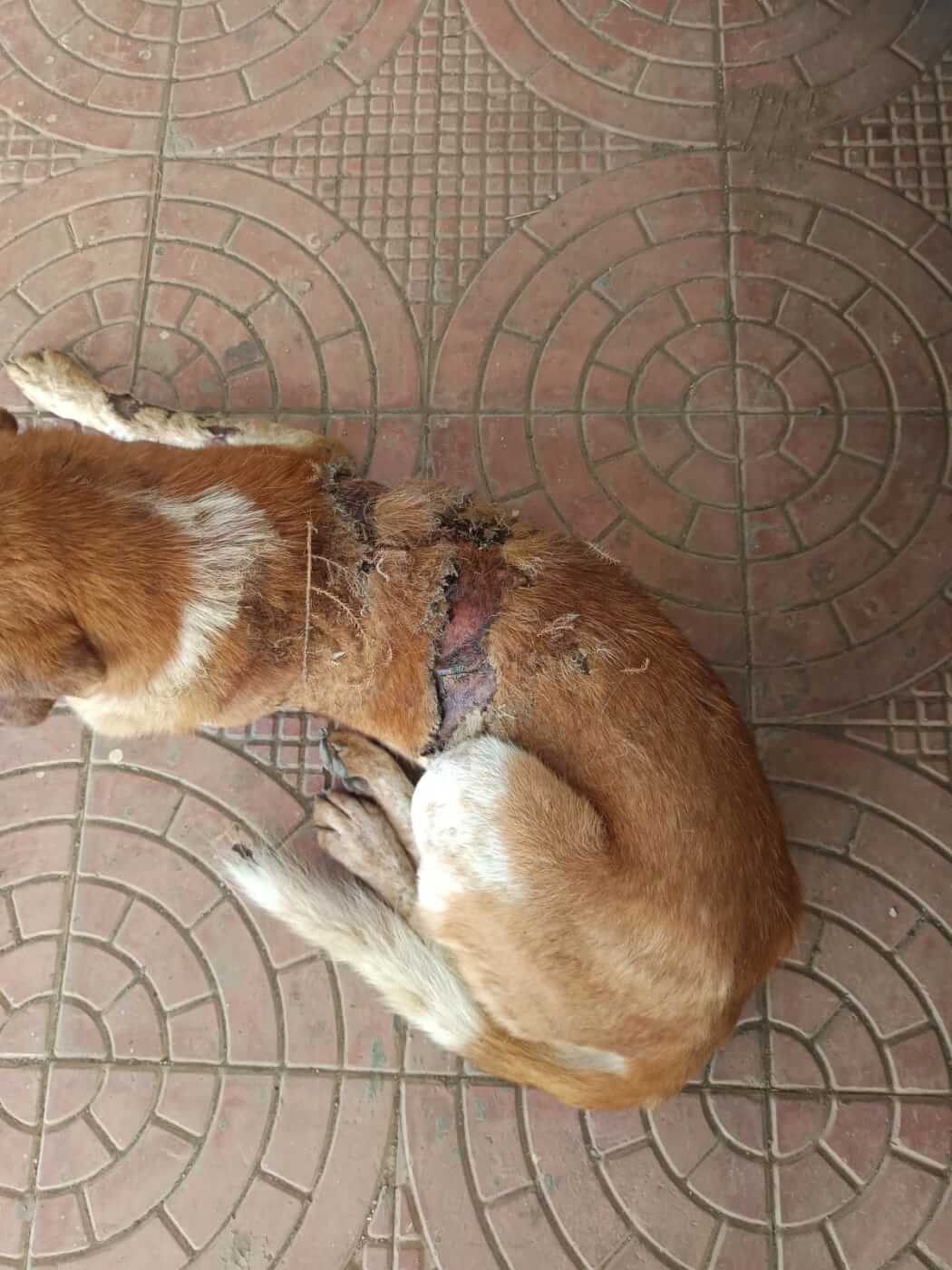
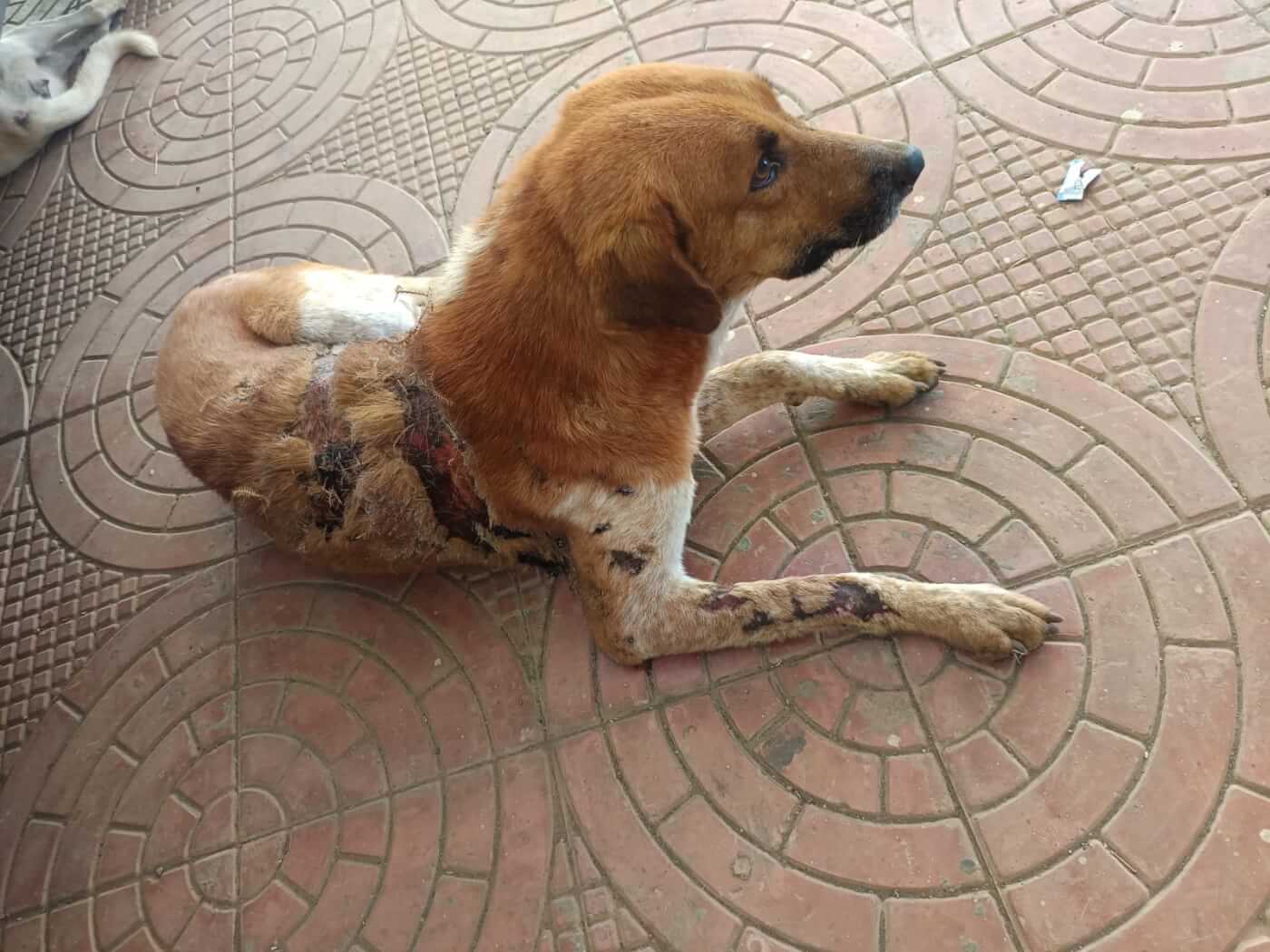
The latest acid attack incident occurred on the night of 9 May near Eco Valley Society, Phase One, Kanhe Phata, Maval taluka, Pune – 412 106. Ajay Fawade shared that a similar acid attack had taken place in February as well, however, the perpetrators could not be identified despite efforts made at the time. Reportedly, there is a recurring pattern of deliberate cruelty against community animals in the area. A FIR was registered against an unidentified individual under Section 325 of the Bharatiya Nyaya Sanhita (BNS), 2023, and Section 11(1)(a) of the Prevention of Cruelty to Animals (PCA) Act, 1960.
Section 325 of the BNS, 2023, makes the maiming or killing of any animal a cognisable offence and provides for a jail term of up to five years, a fine, or both. Section 11 of the PCA Act, 1960, defines “cruelty” and makes the infliction of unnecessary pain or suffering upon any animal a punishable offence.
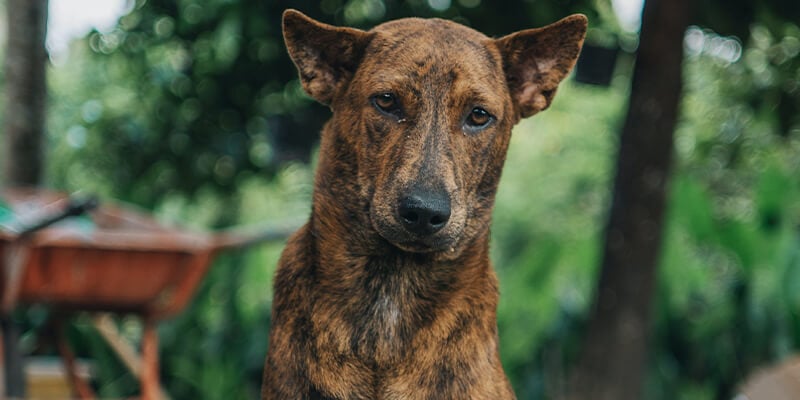
The dog has suffered several acid burn injuries, has been provided veterinary assistance, and is currently under the care of local caregivers. Anyone with information about this crime can contact PETA India at i[email protected]. Informants’ identities will be kept confidential upon request.
PETA India recommends that perpetrators of animal abuse undergo psychiatric evaluation and receive counselling, as abusing animals indicates a deep psychological disturbance. Research shows that people who commit acts of cruelty to animals are often repeat offenders who move on to hurting other animals, including humans. A study published in Forensic Research & Criminology International Journal stated, “Those who engage in cruelty to animals to animals were [three] times more likely to commit other crimes, including murder, rape, robbery, assault, harassment, threats, and drug/substance abuse.”
PETA India has long campaigned to strengthen the PCA Act, 1960, which contains outdated, inadequate penalties, such as a maximum fine of only Rs 50 for convicted first-time offenders (although the BNS, 2023, prescribes stronger punishments). In a proposal sent to the central government regarding an amendment to the PCA Act, PETA India has recommended significantly increasing penalties for cruelty to animals.