

Actor Richa Chadha and PETA India Gift Life-Size Mechanical Elephant to Kerala’s Gurupuram Sree Maha Vishnu Temple
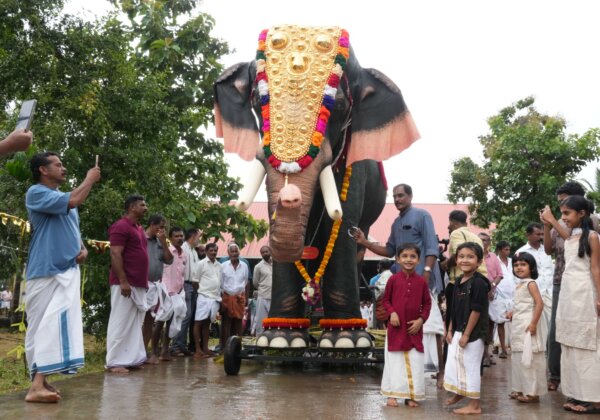
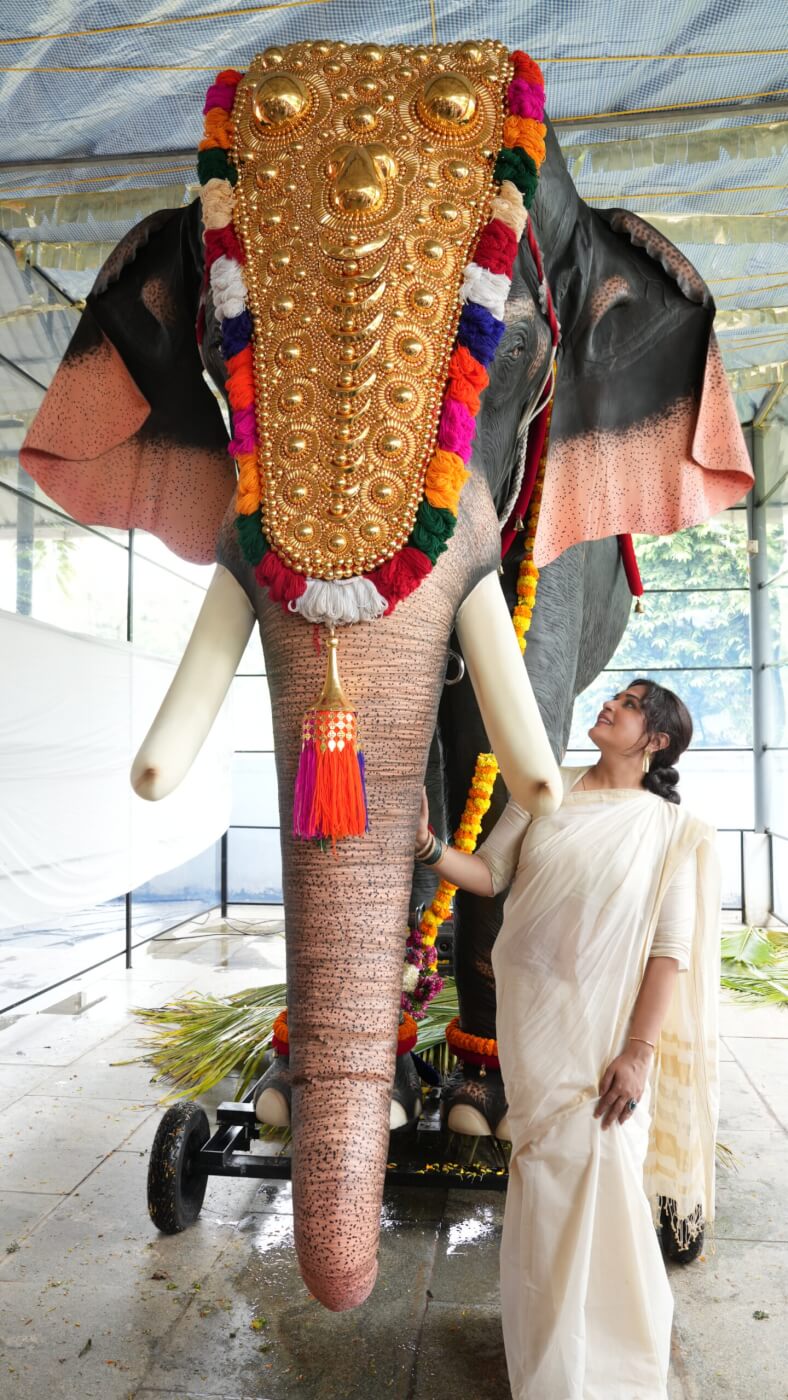
Renowned actor Richa Chadha and PETA India have donated a life-size mechanical elephant, Gurupuram Arjunan, to Kerala’s Gurupuram Sree Maha Vishnu Temple, making it the first temple in Kasargod to welcome a mechanical elephant. Gurupuram Arjunan was unveiled by actor Richa Chadha and Thanthri Sree Iravil Krishna Das Vazhunnavar in the presence of Temple President, Kunhiraman Ayyangav; General Secretary, K.K. Ram; Treasurer, Rajeevan; and temple devotees including K. Savithri, the recipient of the 2026 Kerala State Farm Award for Karshakathilakam.
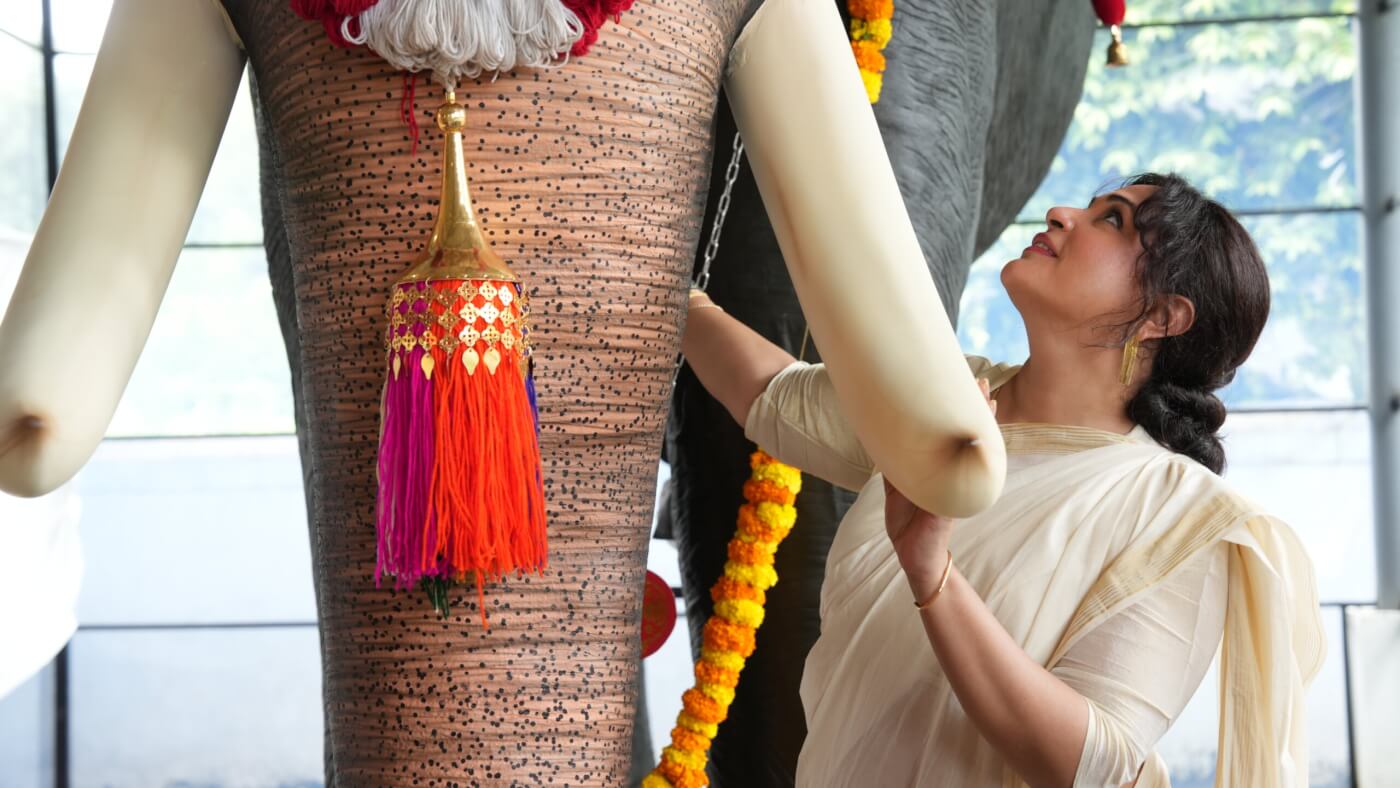
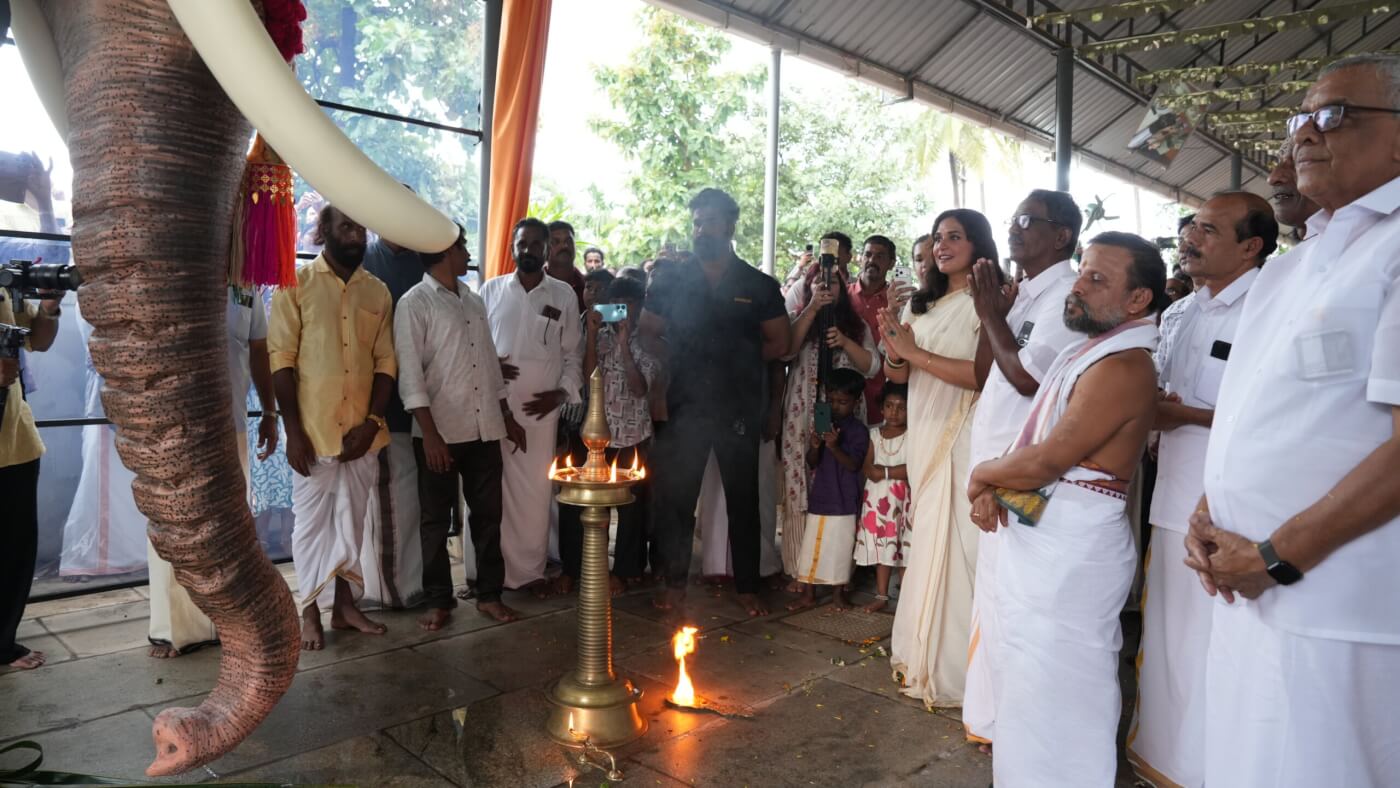
The mechanical elephant will support the temple to conduct ceremonies in a safe and cruelty-free manner, while helping ensure that real elephants can remain in their natural habitat with their families.
The initiative was facilitated by PETA India in honour of the temple’s compassionate decision to never own or hire live elephants. This new mechanical elephant, Gurupuram Arjunan, is the 15th mechanical elephant donation in Kerala facilitated by PETA India. With this addition, PETA India has now donated 30 robotic elephants across the country. The mechanical elephant was welcomed through an inauguration ceremony, followed by a traditional Chenda Melam performance and a Thiruvathira dance performance.
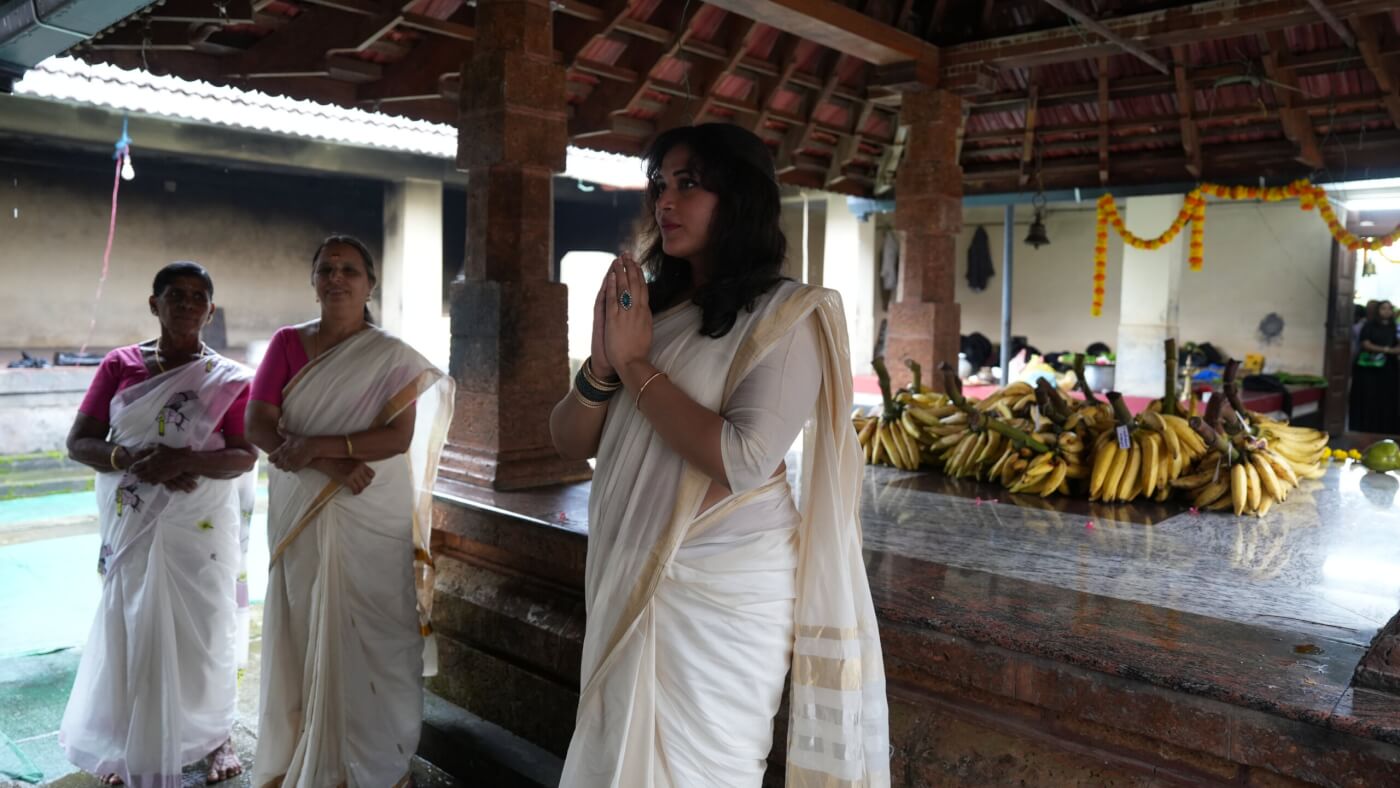
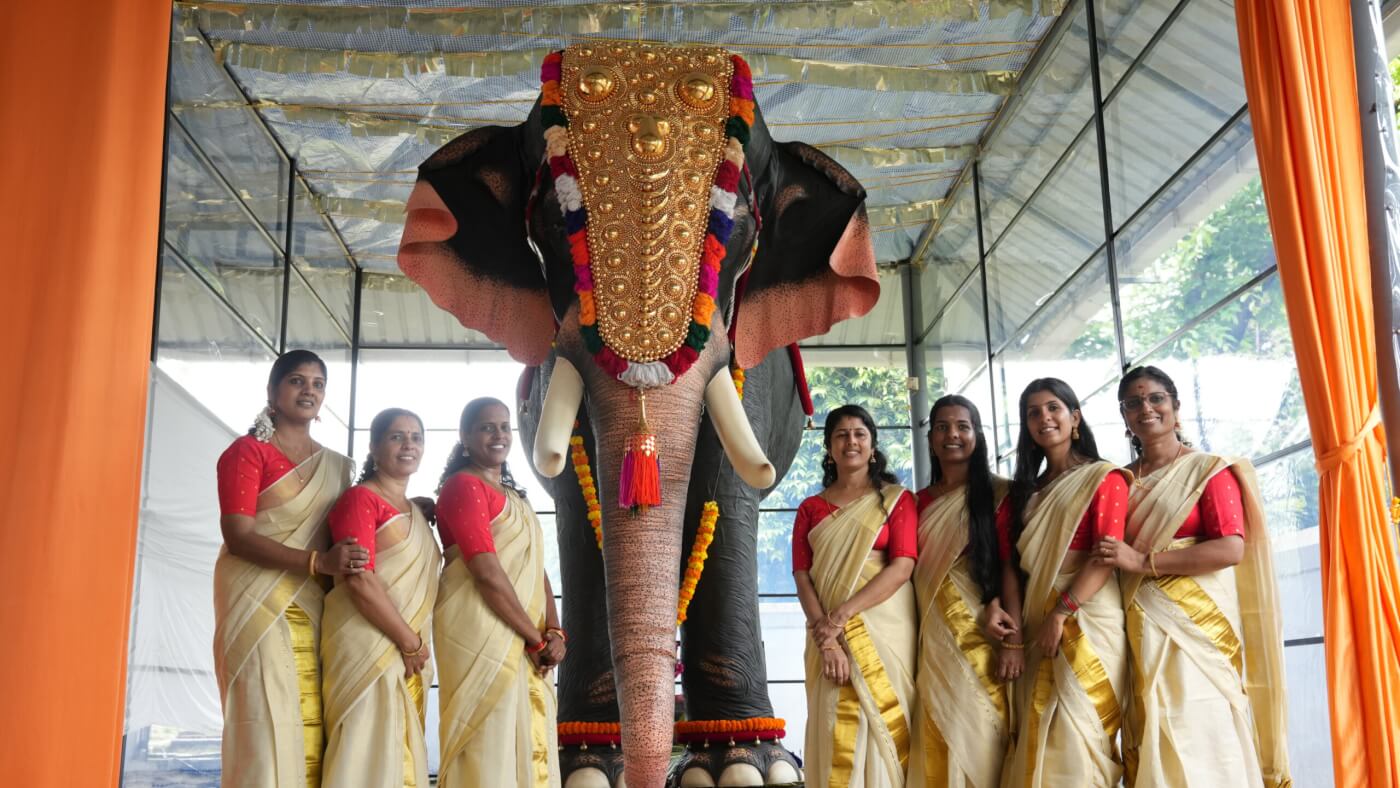
“I am truly thrilled to be here today to unveil Gurupuram Arjunan and witness the community embracing this remarkable mechanical elephant. It is heartening to see how innovation can help preserve cherished traditions while sparing living elephants a lifetime of suffering and exploitation. I am proud to partner with PETA India on this meaningful initiative. Standing before Gurupuram Arjunan, which so closely resembles a real elephant, is a powerful reminder that compassion and culture can go hand in hand.”
– Richa Chadha, Actor
“We are grateful to Actor Richa Chadha and PETA India for gifting Gurupuram Arjunan, the life-size mechanical elephant to our temple. This mechanical elephant will help us to keep honouring our traditions while embracing compassion for all living beings. We hope this initiative inspires more temples and communities to embrace such compassionate alternatives for the welfare of the elephants and the safety of the devotees.”
– Kunhiraman Ayyangav, Temple President
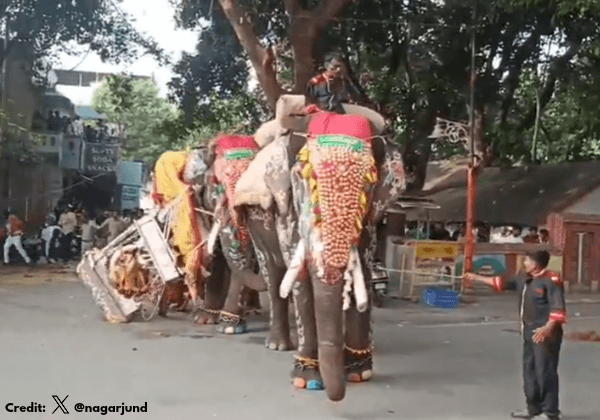
Elephants are intelligent, active, and gregarious wild animals. In captivity, they are trained to be used in processions through beatings, the use of weapons and force. Most elephants held captive in temples and other places suffer from excruciating foot problems and leg wounds due to chaining to concrete for hours on end. Most are denied adequate food, water, veterinary care, and any semblance of a natural life. Under these hellish conditions, many elephants become intensely frustrated and lash out, sometimes killing mahouts or other humans or animals.
Mechanical elephants are 3-meter-tall and weigh 500 kilograms. They are made with rubber, fibre, metal, mesh, foam, and steel and run on five motors. A mechanical elephant is designed to closely replicate the appearance and movements of a real elephant, allowing temples to incorporate it into traditional ceremonies and processions. It can shake its head, move its ears and eyes, swish its tail, lift its trunk, and even spray water. They can be climbed upon, and a seat can be affixed on the back. They can be operated simply by plugging and playing with electricity. They can be taken through the streets and are mounted on a wheelbase, allowing them to be moved and pushed around for rituals and processions.
Gurupuram Sree Maha Vishnu Temple, located amidst the scenic landscapes of Kasaragod, is a revered place of worship dedicated to Lord Maha Vishnu, drawing devotees who seek peace, protection, and divine blessings. Surrounded by natural beauty, the temple offers a serene spiritual atmosphere that reflects the rich cultural and devotional heritage of northern Kerala. The temple is especially cherished during its annual festivals and special poojas, when traditional rituals, vibrant celebrations, and the participation of the local community create an atmosphere of deep devotion and unity, making it a significant spiritual landmark in the region.