

After ‘Pink’ Elephant Chanchal is Reported Dead, PETA India Demands Russian Artist Pull the Print or Donate ALL Proceeds Towards Indian Elephant Protection
Following renewed outrage over images of captive elephant Chanchal painted bright pink for a photoshoot in Rajasthan after she was reported dead, PETA India’s Senior Director of Veterinary Affairs, Dr. Mini Arivandan’s letter to Russian artist Julia Buruleva urged her to immediately pull down the commercial print from her website or donate all proceeds from the print to advance elephant conservation or protection efforts in India. Buruleva is selling the print for up to over Rs. 3 lakh each, as evidenced on her website.
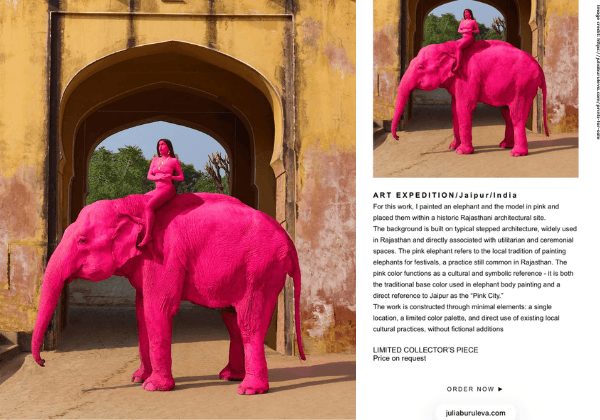
The letter asks the artist to donate all proceeds of the sale of the pink elephant print toward keeping elephants in their forest homes in India, such as to PETA India’s mechanical elephant project, or to a genuine elephant sanctuary like Wildlife SOS or Wildlife Rescue and Rehabilitation Centre where rescued elephants are kept unchained, never controlled with weapons, and have the company of other elephants. It adds that if she chooses the latter, the prints go with a clear message discouraging the use of captive elephants for rides or other reasons and the same be posted on her website.
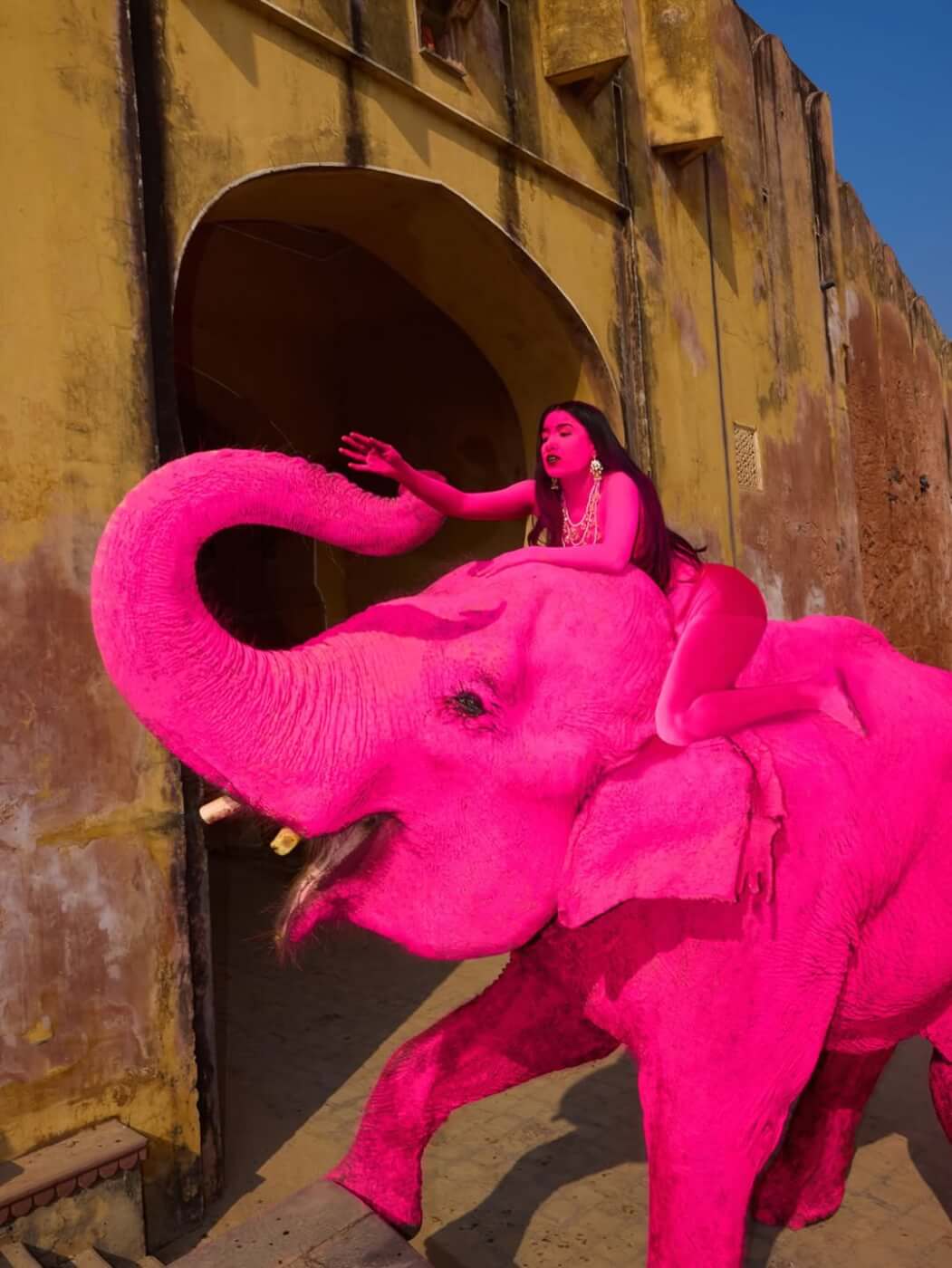
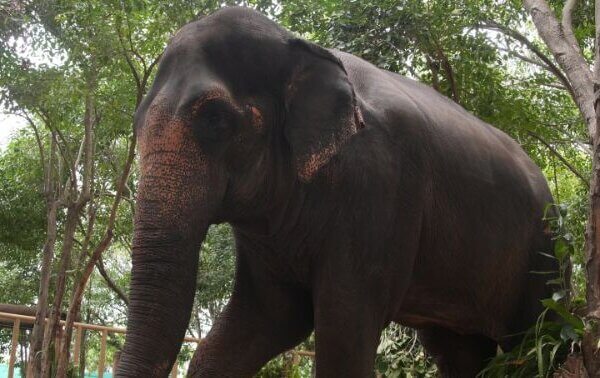
The veteran veterinarian’s letter notes that Chanchal is reported by some media to have been 70 years old. The Ministry of Environment, Forests and Climate Change Project Elephant “Guidelines for Care and Management of Captive Elephants”, captive elephants are recommended to be retired at 65 years of age. Addressing the artist’s public claims that the paint could not have contributed to the elderly elephant’s death, the letter further states that “it is not possible to wholly rule out the health impacts of the paint towards Chanchal’s demise.” The paint was near the elephant’s eyes, ears, trunk, mouth, and genitals. Coating an elephant’s skin—especially around sensitive areas, can pose risks, especially for animals in vulnerable health, including irritation, ingestion during grooming/feeding, stress, and aggravation of pre‑existing conditions, even when products are marketed as ‘safe’.
The letter also underscores other cruelty elephants used for rides at Amer Fort, like Chanchal had been facing. They are also chained and kept on concrete when not in use, like cars in a garage, and controlled with weapons often carefully hidden under costumes and decorations. It warns that Chanchal’s owner, Saddik Khan, appears to be the same person who owned elephant Malti. Malti was rescued after a campaign by PETA India as she had been documented being severely beaten on multiple occasions (one time by eight men wielding sticks).
The letter further states that the Russian artist Julia Buruleva should have been warned that frustrated elephants in Jaipur have attacked humans and each other. In 2024, a Russian tourist was hospitalized after an elephant use for rides, Gouri, slammed her to the ground, breaking her leg. Using elephants for rides and forced interactions puts humans at risk.
PETA India’s mechanical elephant campaign donates mechanical elephants to places like temples and for processions, allowing real elephants to stay with their families in their jungle homes and traditions to continue safely. Inspired by this, mechanical elephants are now increasingly being used for other purposes in India like rides, weddings and even political rallies. The use of mechanical elephants creates job opportunities for artisans and engineers, and mahouts (elephant keepers) are routinely retrained to help take care of rescued animals in sanctuary environments.
Save Elephants at Amer Fort
View this post on Instagram