dove logo
PETA India Home
Action AlertsVegetarianismCampaignsLivingActivismAbout PETADonate Now
dove logo
Your HealthLook Who's VegAnimal CrueltyMaking the SwitchEnvironmentPETA TV
Search

Veganism Prevents Cruelty to Animals


Cows and Buffaloes Are Hideously Abused in the Beef and Leather Trades

Despite many Indians' traditional reverence for the cow, today a thriving international trade in beef and leather means starvation, thirst, beatings, broken bones and cruel slaughter for hundreds of thousands of India's cattle.

When cows, buffaloes and bullocks who give milk, pull plows and cars and live side by side with their human families become lame, sick or worn out, they are sent to auctions to be sold for slaughter. At these weekly sales, thousands of bullocks and cows are tethered together in groups of three to seven by ropes run through their painfully pierced noses. Although the temperature may reach over 100 degrees, the animals are not given any shade or water.

Many are old and emaciated, with their ribs and hipbones protruding. Some are bloody from beatings by the men who drove them to auction. Their tails are twisted and broken over and over again by the drivers.

Since slaughtering cows is illegal under most circumstances in all but a few Indian states, the cows are marched over hot, dusty roads for 50 to 100 miles, across state lines, to secret locations where they can be loaded onto lorries and taken to slaughterhouses. To keep them moving, drivers beat the animals across their hipbones, where there is no fat to cushion the blows. The cows are not allowed to rest or even have a sip of water. Hungry, thirsty, weary and often lame or ill, many cows give up and sink to their knees. Drivers mercilessly beat the downed animals and twist their battered tails to force them to rise. If that doesn't work, the men torment the cows into moving by rubbing hot chili peppers, salt and tobacco into their eyes or poking their eyes with screwdrivers and sticks.

After walking without food and water for two to three days, the cows cross the borders crammed into lorries. Because their importation is illegal, it happens in the dead of night with few witnesses. The lorries are meant for only five or six animals, but 15 to 20—sometimes as many as 30—are shoved into each one. Cattle must climb over one another to find any space, inadvertently gouging each other with their horns,
trampling and crushing those beneath. Horns are broken off, nose rings ripped out, and bones crushed.

The lorries then careen down twisting dirt roads riddled with potholes, pitching the cattle around and causing even more injuries.

At the slaughterhouse, the cattle are beaten to force them from the lorry, then tied up by all four feet and lined up on their sides. Sick and wounded animals who are too weak to move lie in congealing pools of blood, left to die where they have fallen. Workers, including children, cutting the animals' throats sometimes saw back and forth with dull knives on blood-, urine- and feces-drenched floors. Fully-conscious animals are left to bleed slowly to death in the hot sun.

'At the municipal slaughterhouses in Bangalore and Calcutta, workers, including small children, violently pushed and dragged the animals to the slaughter floor, where they were made to lie in pools of blood and guts removed from their dead brethren. The animals were made to watch their companions die while they waited their turn, their eyes wide with tears and terror, their bodies shaking. The workers used dull knives and cut off the animals' legs, often while the animals were still conscious.'
—PETA Investigator

The Plight of Cows and Buffaloes Used for Milk Production

Cows and buffaloes raised for milk are treated as nothing more than milk machines. They are given painful injections of hormones, even banned substances such as oxytocin, and kept pregnant to keep milk production high. Oxytocin causes painful contractions in the uteruses of the mother cows and buffaloes. Calves are typically taken away from their nurturing mothers and the milk that nature meant for them within days. In Mumbai alone, an estimated 10,000 newborn calves starve to death each year because of a lack of milk. Because male calves cannot give milk, some are killed for veal while others are tied up and left to starve to death. Some are sold to the cheese industry, where they have their stomachs slit while still
alive for rennet, the acid that is extracted for making cheese. A few of the male calves are chosen to live out their lives in solitary confinement and used for artificial insemination. Sometimes when these bulls become aged, they are left to wander in the streets, where many die after getting hit by a lorry, while others die slow, painful deaths from infections caused by ingesting plastic bags and garbage.

Click for larger image.John Abraham says, 'Now, I'm vegetarian and feel better than ever. I've especially valued the muscle-building and fitness advantages of a veg diet.'

Chickens, Ducks, Turkeys, Goats, and Pigs Live in Despair

The 'factory farming' or intensive rearing system of modern agriculture, becoming more and more common in India, strives to produce the most meat, milk and eggs as quickly and cheaply as possible and in the smallest amount of space possible. Animals are reduced to slaves and often kept in small cages or stalls, unable to turn around. They are deprived of exercise so that all their bodys' energy goes toward producing flesh, eggs or milk for human consumption.

Chickens and turkeys raised for meat and eggs are often kept in crowded, filthy sheds where they can't even spread their wings. Chickens can function well in groups of up to about 90, a number low enough for each bird to find a niche in the pecking order, but in crowded groups of thousands, no such social order is possible. In their frustration, the birds peck at one another so vehemently that they draw blood. To keep them from pecking each other to death, workers often cut their beaks off with hot irons (without anaesthetics). Although the filthy conditions result in widespread disease, hens are given no veterinary care, and many die of stress or disease. Sick birds may be beaten to death with a piece of pipe or may have their heads 'whacked' with a nail driven into a piece of pipe. Others are simply left to suffer and die on their own. Male chicks born in the egg industry are considered merely a wasteful byproduct. Since they cannot produce eggs, newly hatched males are crushed to death and used for fertiliser and as feed. Chickens and ducks are transported to the slaughterhouse stuffed into bags, tied painfully upside down to bicycle handles, crammed into baskets, or overcrowded onto lorries. There, the animals are tied up in bunches upside down and have their throats sawed at with dull blades.

According to Beauty Without Cruelty, the Central Duck Breeding Farm at Hessarghatta, north of Bangalore, is the main promoter in India. The farm sells day-old ducklings. They are shipped by air to far-off places like Sikkhim and Rajasthan. Male ducklings that are not booked or bought are killed by drowning. Those ducks reared for seven to eight weeks are sold or shipped by train to cities for meat.

Sixty percent of goats raised for meat die of untreated diseases (one-third of these animals are babies). Goat farming is becoming increasingly industrialised, and more and more goats are being genetically manipulated and intensively confined. Goats have their throats slit in front of others, often with unsharpened blades.

Pigs often spend their entire lives in cramped, narrow stalls. Crowded to the point where they can barely turn around, they sometimes take out their frustrations by cannibalising each others' tails. But instead of giving them more room, factory farmers simply cut their tails off—a painful mutilation performed without anaesthesia. Before being slaughtered, some pigs have their bristles plucked from their backs while they are fully conscious (the bristles are used in brushes). Pigs are often killed by being beaten with hammers or having hot iron rods pushed up their anuses. Others are stabbed with 20 or more small knives so that the blood runs out slowly, because farmers believe this makes the meat more tender. In Mizoram, pigs are skewered with a poker that is inserted into the anus and pushed out through the mouth; they are then roasted alive.

Turtles Are Tortured

Turtles are protected under wildlife laws, but they are illegally captured, turned over on their backs and transported live to cities for slaughter. They are killed and gutted, while fully conscious, with dulled knives.

Fish Suffer, Too

'The pain system in fish is virtually the same as in birds and mammals.'
—Dr Donald Broom, professor of animal welfare, Cambridge University

India is the sixth-largest producer of fish in the world and the second-largest producer of freshwater fish.

To be profitable, 'aquafarms' must raise large numbers of fish in intensive confinement. This overcrowding causes injuries to the snouts and fins of fish and puts abnormal stress on them, leading to outbreaks of disease. So aquafarmers pump the fish full of antibiotics and chemicals to control parasites, skin and gill infections, and other diseases common to farmed fish. Fish are often deprived of food for days or even weeks prior to slaughter in order to reduce waste contamination of the water during transport.

Fish, whether aquafarmed or stolen directly from the sea, are impaled, thrown, crushed, mutilated while alive or left to die slowly and painfully of suffocation.

In India, although the use of dynamite for fishing is banned, it is still employed in freshwater and sometimes in shallow sea areas. The explosion destroys all creatures in the vicinity and adds to the existing problems of overfishing and pollution. The Food and Agricultural Organisation of the United Nations says, 'Aquaculture's growth is expected to continue ... as the gap between supply and demand for fish products widens.'

Salmonella and ulcerative disease are common in India and are often caused by eating fish.

VEGANISM IS GOOD FOR YOUR HEALTH


The world's most nutrition-conscious physicians recognize that vegetarians, and particularly vegans, are much healthier than meat-eaters and especially healthier than those who also drink cow's or buffalo milk. This is especially important for Indians to consider, since a whopping 5 million people die of cancer in India every year! Dr T. Colin Campbell of Cornell University reports that 'the vast majority ... of all cancers, cardiovascular diseases and other forms of degenerative illness can be prevented ... simply by adopting a plant-based diet.' Dr Dean Ornish of the University of California at San
Francisco and Dr Caldwell Esselstyn of the world-renowned Cleveland Clinic have both demonstrated that artery blockages can be reversed with a low-fat vegetarian diet instead of invasive and expensive surgeries. When the arteries to one's heart are blocked, oftentimes so are the passageways to the brain and other organs.

'I don't understand why asking people to eat a well-balanced vegetarian diet is considered drastic, while it is medically conservative to cut people open.'
?Dean Ornish, M.D.


ADITI IN LETTUCE AD HERE
UNDER AD:
Aditi Govitrikar says, 'Being a doctor, as well as a model, I know that eating veg is the first and most important ingredient in keeping fit. If you eat chicken or other meat, you're consuming toxins, fat and cholesterol. Veg food is powered with all the vitamins and protein you need to be at your best.'


Click here to learn more about vegetarianism and your health from a doctor's perspective.


Meat and animal products are loaded with the fat and cholesterol that lead to heart attacks, cancer, stroke and other diseases. In fact, people who consume animal parts and products are at least 30 percent
more likely to die of heart disease, 40 percent more susceptible to cancer and at increased risk for many other illnesses, including obesity, appendicitis, osteoporosis, arthritis, diabetes and food poisoning.

'The average age of a meat-eater is 63. I am on the verge of 85 and still work as hard as ever. I have lived quite long enough, and I am trying to die; but I simply cannot do it. A single beef steak would finish me; but I cannot bring myself to swallow it. I am oppressed with a dread of living forever. This is the only disadvantage of vegetarianism.'

?George Bernard Shaw


Vegetarian foods are typically low in fat and contain no cholesterol. What they do have is all the vitamins, minerals, protein, fibre and carbohydrates you need to be healthy and strong. No wonder many of
India's athletes, such as Anil Kumble and Ramesh Krishnan, are vegetarian!

KUMBLE HINDI VEG AD HERE
UNDER AD

'Vegetarianism saves animals' lives and can't be beat for maintaining a muscular body and building endurance,' says Kumble. 'Vegetarian food contains all the vitamins and protein you need to be at your best and is free of all the fat, cholesterol and toxins found in meat.'


Veggie Foods Are Rich in Protein

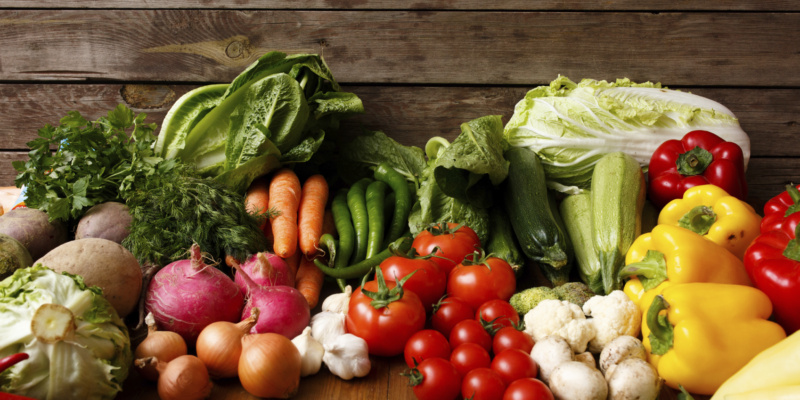
There's no need to worry about protein if you're eating a varied vegetarian diet! It's easy to get protein from lentils, dal, beans, bean curd, rice, soy milk, cereals and potatoes. The real problem among
the affluent is too much protein, which leads to osteoporosis, kidney stones and some types of cancers.

Drinking the milk of Cows and Buffalos Is Not Natural

How strange that human beings?adult humans?drink the milk meant for babies of a completely different species! The milk of cows and buffalos is suited for the nutritional needs of calves, who double their weight in 47 days (as opposed to 180 for human babies), grow four stomachs and can weigh 140 kilograms within a year. The milk of cows and buffalos contains 50 percent more fat than human breast milk. Buffalo milk contains even more fat!

Animal milk can lead to heart disease, certain cancers, diabetes, allergies, asthma and osteoporosis. Knowledgeable doctors and nutritionists are speaking out against dairy consumption. The world-renowned health advisor to former US President Bill Clinton, Dr John McDougall, calls animal milk 'liquid meat' because it is as bad for us as animal flesh. The late Dr Benjamin Spock, America's leading authority on child care, said that human infants should never drink animal milk because it can cause anemia, allergies and insulin-dependent diabetes.

After the age of 4, a large percentage of people lose the ability to digest lactose, the carbohydrate found in milk. Studies show that Asians have the highest intolerance to it. This often results in symptoms such as diarrhea, gas and stomach cramps.

Cows and buffaloes used for dairy production are injected with dangerous hormones to increase milk flow. One such hormone is prolactin. This chemical filters into the animals' milk and ends up in the stomachs of milk-drinkers. Prolactin is known to cause spasms and muscle contractions in humans. Oxytocin is another hormone injected into animals used for milk. Oxytocin is generally used to induce labor in pregnant women. When injected into cows or buffaloes, it causes the animal's uterus to painfully contract. Oxytocin causes a hormonal imbalance in women and girls and is considered harmful to the eyes.

Sometimes a stick is poked into the uterus of the animal (a practice called 'phookan' or 'dhoom dev'), causing great pain and distress, to bring about the gush of more milk. This milk sometimes contains blood. Urea is often added to animal milk to prevent it from curdling as a result of the movement of the milk truck.

What's more, milk producers often add worse things than just water to milk to increase their profits. They also add paint emulsifier, detergent and even the deteriorating mush of dead worms.

The best sources of healthful calcium come from channa, dal, almonds, cashews, figs and green leafy vegetables. Soy milk and bean curd are excellent replacements for milk and cheese.

Eggs Are Cholesterol Bombs

The yearly consumption of eggs in India in the 1950s was 5 million. By 1993, it had reached 10 billion. This growth is largely due to National Egg Coordination Committee advertisements, which present eggs as desirable foods. Eggs are, however, cholesterol time bombs, containing more than 200 mg each. Each egg contains about 13.6 percent protein and 13.3 percent saturated fat. Any dal is better, with 24 percent protein and only 1.3 percent unsaturated fat per 100 g. Eggs are often contaminated with bacteria, especially salmonella (one of the leading causes of food poisoning), and worms and also contribute to heart disease and other serious health problems.


'Of all the diets we have out there to choose from, the vegetarian [diet] is obviously the best. Everything else [is] a compromise.'
?William P. Castelli, MD, Harvard Medical School


Vegetarianism Decreases the Risk of Food Poisoning

Food poisoning and bacterial infections are common occurrences in India; however, adopting a vegetarian diet can decrease one's risk of contracting infections like salmonella, listeria, campylobacter and E. coli.

Beauty Without Cruelty's 'A Vegetarian Lifestyle' tells us that the source of salmonella is usually raw meat, poultry, milk or eggs. Clostridium perfringens mainly come from poultry, meat, flies, cockroaches and animal excreta. Animals in Indian slaughterhouses are often killed on blood- and feces-drenched floors. Staphylococcus aureus is usually caused by drinking milk from cows and goats. Brucella, the source of which is milk, leads to arthritis, fever and infertility in humans.


VEGETARIANISM IS GOOD FOR THE PLANET


Raising Animals for Meat Ruins the Environment

THINK YOU CAN BE A MEAT EATING ENVIRONMENTALIST AD HERE

Going vegetarian is an important way to help India and the Earth.

Every year, the population in India grows by 17 million people. Famine is widespread and increasing as the population rises. According to The Hunger Project, one-third of the world's hungry people live in India. Each animal bred and raised to be killed for meat eats 10 acres' worth of vegetables and cereals. Those 10 acres could feed 100 people for more than one year. World hunger is directly related to the breeding and killing of animals for slaughter. Here are more examples:

· An acre of land can 'grow' 165 pounds of beef?or 20,000 pounds of potatoes. Harvard nutritionists have estimated that reducing meat production by just 10 percent will free up enough grain and vegetables
to feed 60 million people.

· Meat production takes a toll on India's water supply as well. It takes 2,500 gallons of water to produce a pound of meat but only 25 gallons to produce a pound of wheat. A totally vegetarian diet requires 300 gallons of water per day, while a meat-based diet requires more than 4,000 gallons of water per day.

· The annual water requirement for Al-Kabeer (480,000,000 litres of potable water), an abattoir in Hyderabad, has caused an acute shortage of drinking water in the entire area around the plant, and most villagers have to trek 10 to 15 kilometres a day to obtain water for their homes.

· Raising animals for meat is also a major contributor to topsoil depletion since forest land is cleared for cattle-grazing. Loss of trees leads to loss of valuable, nutrient-rich topsoil, increases the risk of
flooding and drought and causes climatic imbalances. Loss of topsoil and a drying-out of the land leads to desertification. Already in India, deforestation and desertification can be found over wide areas.

· Intensive animal farming and slaughterhouses are major sources of water pollution through blood and animal excreta, which contains nitrates, antibiotics, parasites, heavy metals and pesticides. Totally
untreated waste is often dumped into streams, rivers and groundwater. Colonies near Delhi slaughterhouses that depend on handpumps for their drinking water have reported that blood often comes
out of the pumps.

The best thing we can do to help end hunger and improve the environment is to go vegetarian!


For more on animal cruelty in the meat industry, please visit GoVeg.com.


Return to PETA Home Page