

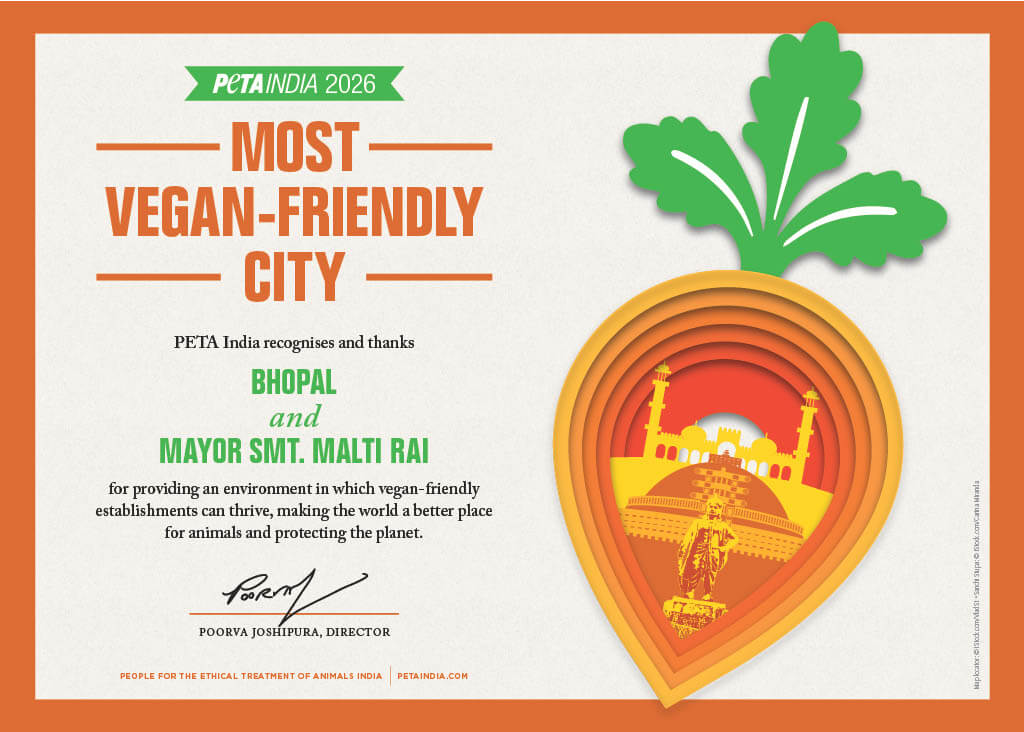
From Vegan Kebabs to Dairy-Free Desserts: Bhopal Named PETA India’s ‘Most Vegan-Friendly City’ of 2026
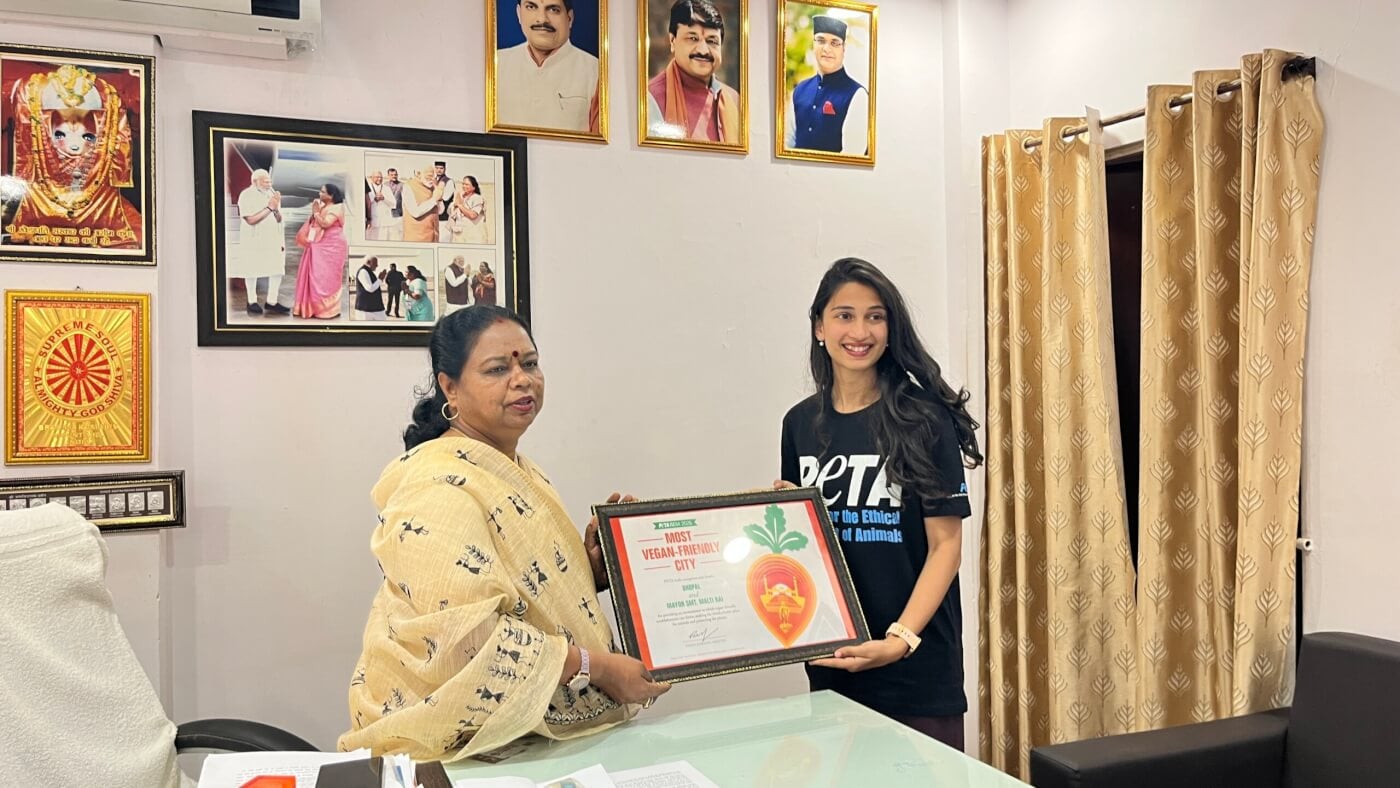
From vegan takes on Bhopali kebabs to dairy-free desserts and traditional animal-friendly street foods, Bhopal has earned a new distinction: PETA India has named the City of Lakes India’s Most Vegan-Friendly City of 2026 during World Vegan Month (November). The award recognises Bhopal’s mix of traditional dishes that can be enjoyed vegan, restaurants expanding their animal-free offerings, and a growing vegan community.
Bhopal’s local favourites, such as tamatar sev ki sabzi, raw banana samosas, pani puri, bhel puri and kachoris, can easily be enjoyed vegan when prepared without ghee. The city’s iconic breakfast items, poha, street-style jalebi and Sulaimani laal chai are vegan when made without dairy, while Waheguru Dal Pakwaan in Arera Colony serves its namesake Sindhi street-food favourite of spiced dal with crisp fried pakwaan vegan. Beyond these traditional dishes, diners can find vegan kebabs at Bhayankar Veg Kebab, a variety of vegan pizzas at Pizzeria da Cafe, and vegan cheesecake and vegan ice cream at Saag & Soul. Little Italy in Arera Colony offers a dedicated vegan menu section, while Hummus Nest and Poppin Deli are among those that serve coffee with dairy-free milk. Vegan bakeries and home bakers, including plant_bakes_ by Reeta, Love & Cake by Chef Pari, and Amour Making People Happy, offer dairy- and egg-free cakes and desserts.
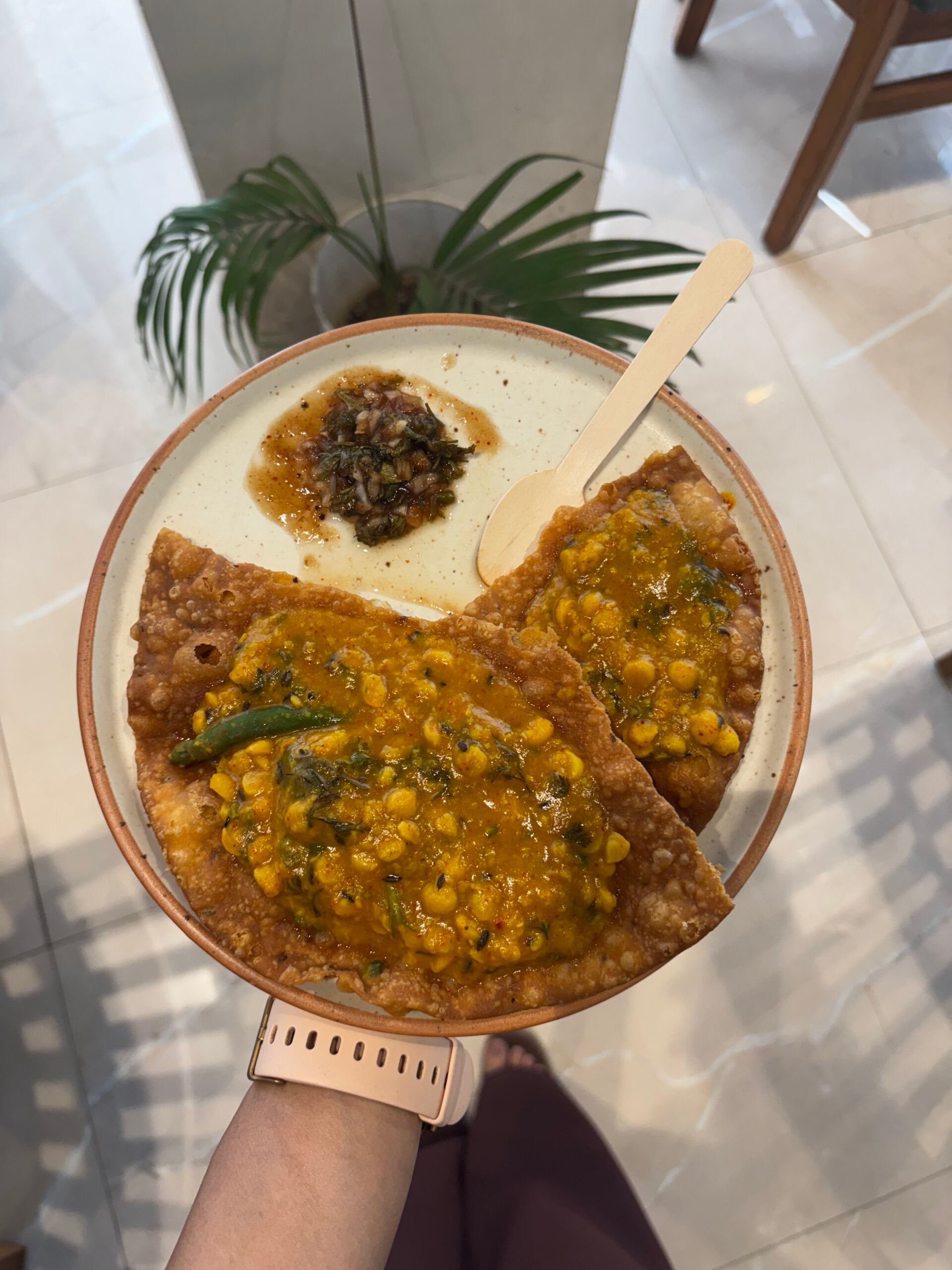
Waheguru Dal Pakwaan
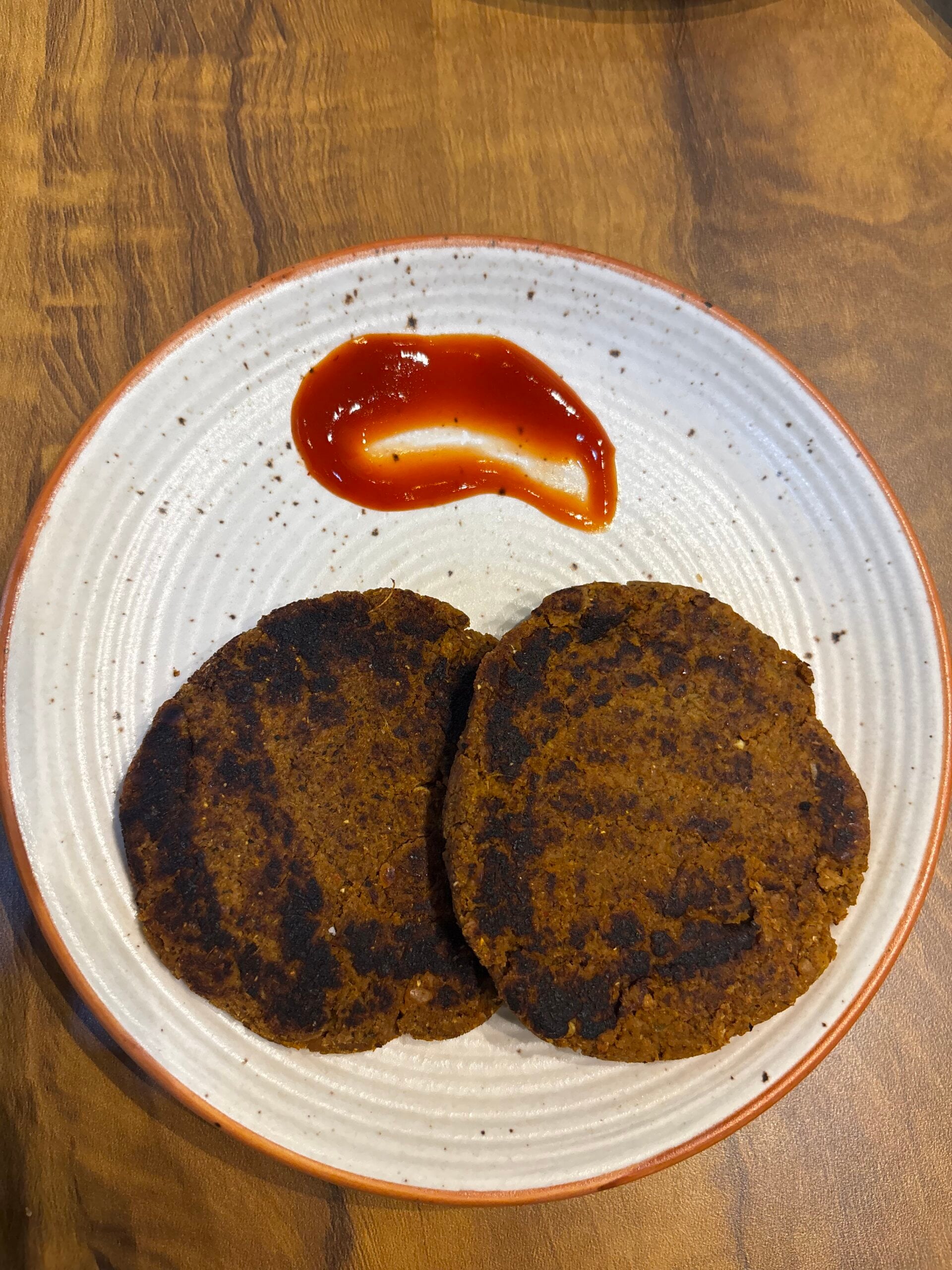
Bhayankar Veg Kebab
Bhopal’s animal-friendly reputation extends beyond restaurants. IISER Bhopal’s Dining Hall 3 serves vegan options, including soy milk and tofu dishes under an initiative by students and the administration. Meanwhile, PETA India recently hosted a screening of Test Subject V for IISER Bhopal students, who enjoyed vegan soya keema pav and oat milk tea at the event. Vegans of Bhopal is fostering a local vegan community, while group member Ayaan Ali Siddiqui marked Eid al-Adha by distributing jackfruit biryani as an animal-free option.
As PETA India reveals in its widely publicised video exposé “Glass Walls,” chickens used for eggs are confined to cages so small they cannot even spread a wing. Cows and buffaloes are crammed into vehicles in such large numbers that their bones often break before they’re dragged off to the slaughterhouse, and pigs are stabbed in the heart as they scream. On the decks of fishing boats, fish suffocate or are cut open while they’re still alive. Newborn male chicks in the egg industry are ground up, burned, or buried alive since they cannot lay eggs, along with other unwanted chicks, while male calves in the dairy industry are commonly abandoned, left to starve, or killed since they cannot produce milk.
India has influenced the world to be kind to animals and the environment through meat-free eating since 4th century BC. Today, India has the largest meat-free population in the world, while 10% of Indians identify as vegan. Everyone who goes vegan spares up to nearly 200 animals every year, dramatically reduces their carbon footprint, and lowers their risk of heart disease, diabetes, and certain cancers and a United Nations report concluded that a global shift towards vegan eating is necessary to combat the worst effects of the climate catastrophe.