

Belagavi Administration Orders Animal-Free Transport for Chinchali Jatra, Following Concerns Raised by PETA India
In a progressive magisterial order, the Deputy Commissioner and District Magistrate (DC & DM), Belagavi, Shri Mohammad Roshan, IAS, has taken steps to protect animals and the public by prohibiting the use of animal-drawn carts for transporting persons to and from the Chinchali Mayakka Devi Fair, following concerns raised by PETA India. The order has been issued in exercise of the powers vested in the District Magistrate under Section 31 of the Karnataka Police Act (KPA), 1963. The order requires the use of only animal-free transportation to the Chinchali fair and imposes other requirements for animal welfare and to reduce traffic risk caused by slow-moving animal carts.
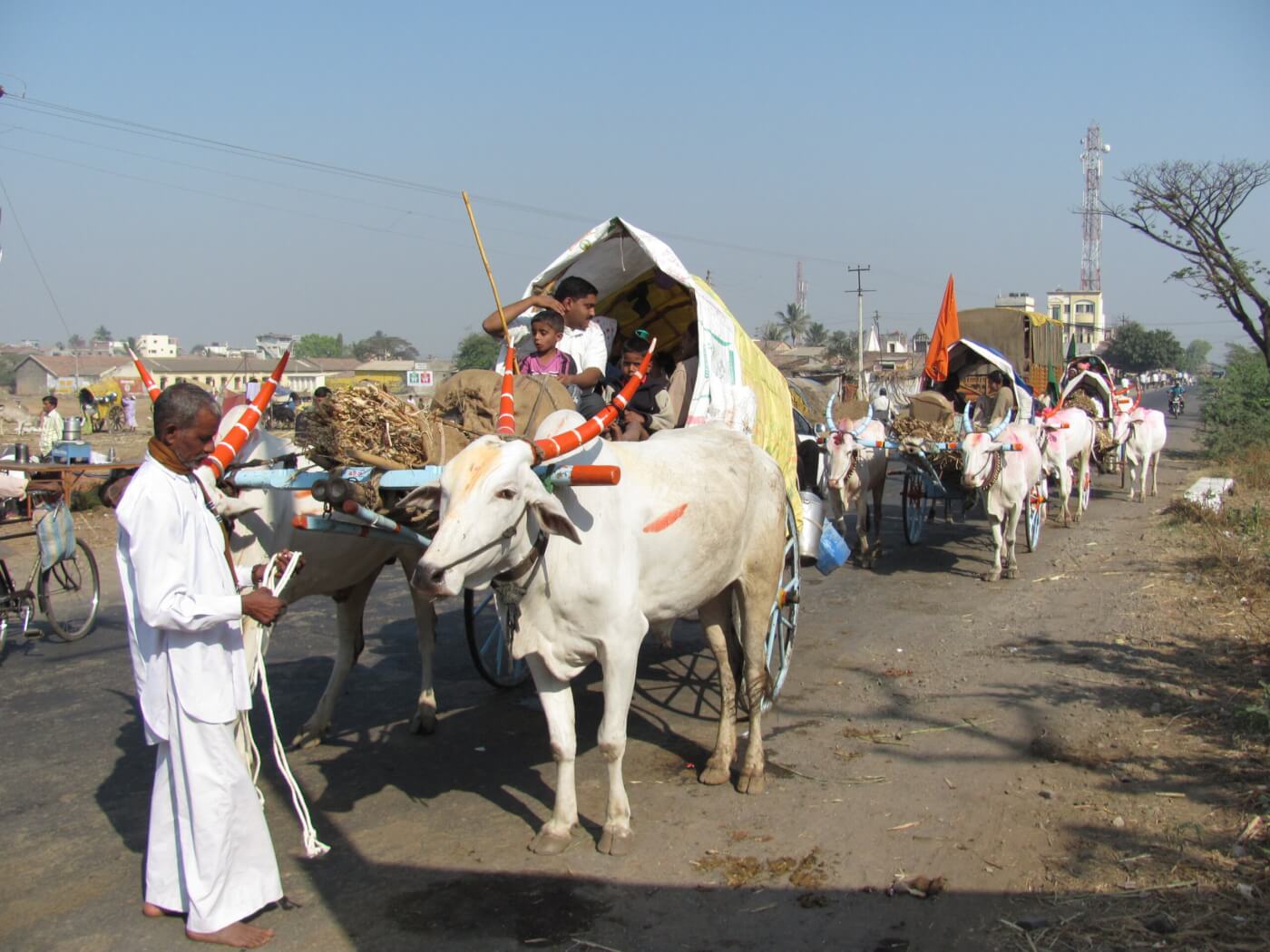
The annual Chinchali Fair (Jatra), dedicated to Shri Chinchali Mayakka Devi, takes place in Belagavi district, after pilgrims travel from various districts across Maharashtra and Karnataka. Each year, Animal Rahat, an NGO dedicated to the welfare of animals used for work, arranges several free buses to encourage devotees to choose buses over bullock carts and other animal-drawn vehicles. And in October 2019, a memorandum issued by the Mayakka Devi temple trust noted that animals suffer during the long journey and that nowadays, other vehicles are widely available and should be used instead. Even so, every year, many devotees choose to undertake these journeys in carts drawn by horses, ponies and bullocks. With the Belagavi administration’s new order, Animal Rahat is committed to taking additional steps to ensure all devotees who require bus transport to Chinchali Fair are provided with it.
View this post on Instagram
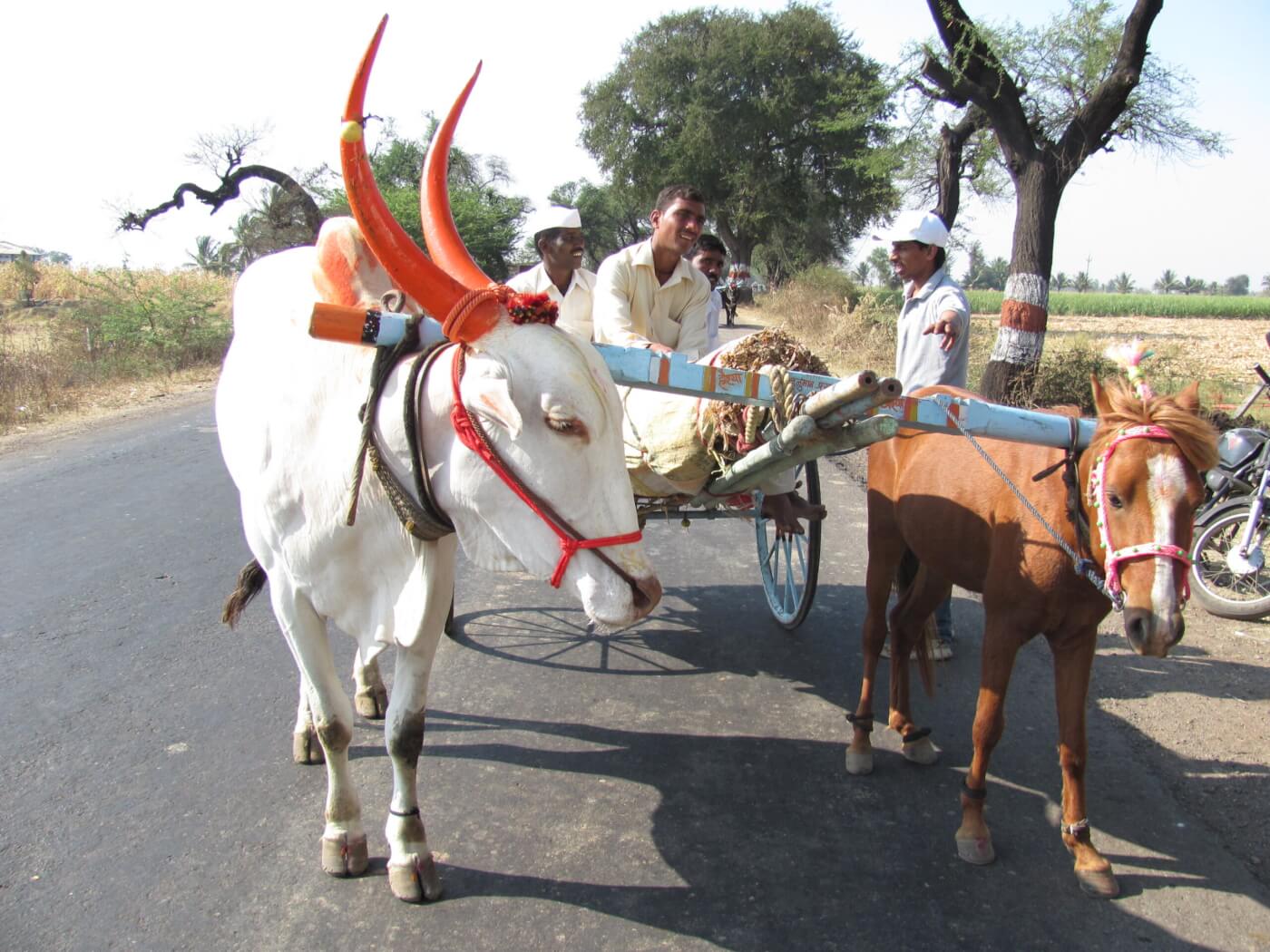
Specifically, the DC & DM issued an order prohibiting the use of animal-drawn carts, including those drawn by cattle and equines, for transporting passengers to or from the fair premises; the transport, movement or driving of cattle, bullocks, horses, mules, ponies, donkeys or other animals to or from the fair; all races, speed trials, competitions or similar activities involving such animals; and the hitching or yoking of animals of different species to the same cart, vehicle or conveyance. The order further provides that these prohibitions will remain in force every year during the fair period and that violations will attract action under the Bharatiya Nyaya Sanhita (BNS), 2023, the Prevention of Cruelty to Animals (PCA) Act, 1960, and the KPA, 1963.
Among other steps, PETA India has been directed to conduct pre-fair sensitisation workshops for officials from the Police, Transport, Revenue, and Animal Husbandry Departments, as well as local authorities, with mandatory participation.
Using animals for transportation over such long distances on foot, as well as subjecting them to illegal races, speed trials, and other exploitative practices, inflicts immense pain, exhaustion, injuries, and unnecessary suffering. The order cites Section 11(1) of the PCA Act, 1960, read with Rules 4, 5, 7, 9, 10, 11, 12 and 13 of the Prevention of Cruelty to Animals (Transport of Animals on Foot) Rules, 2001; Rules 6 and 8 of the Prevention of Cruelty to Draught and Pack Animals Rules, 1968; the Karnataka Animal Welfare Board order dated 28 August 2018 prohibiting spiked bits; and Section 168 of the BNSS, 2023. The order further provides that any person violating its provisions shall be liable for action under Section 223 of the BNS, 2023, the PCA Act, 1960, and the rules framed thereunder, and Sections 92(1)(d) and 103 of the KPA, 1963, in addition to any other applicable provisions of law.
PETA India has also written to the District Collectors of Sangli, Solapur, Kolhapur, and Satara, requesting them to issue similar orders. The letters also seek their cooperation in enforcing the order of the DC & DM, Belagavi.
Read About PETA India’s Mechanisation Project