

FIR Registered for Rape of a Female Dog in Kandivali East, Mumbai Following PETA India Intervention
Acting on a frantic call from a community animal caregiver, Ankita Kale, regarding a female dog who was allegedly raped in Kandivali East, PETA India worked with the Samta Nagar Police Station to ensure that a First Information Report (FIR) was registered. Based on the statement of Ankita Kale, the FIR was registered against the accused under Section 325 of the Bharatiya Nyaya Sanhita (BNS), 2023, and Section 11(1) (a) of the Prevention of Cruelty to Animals (PCA) Act, 1960.
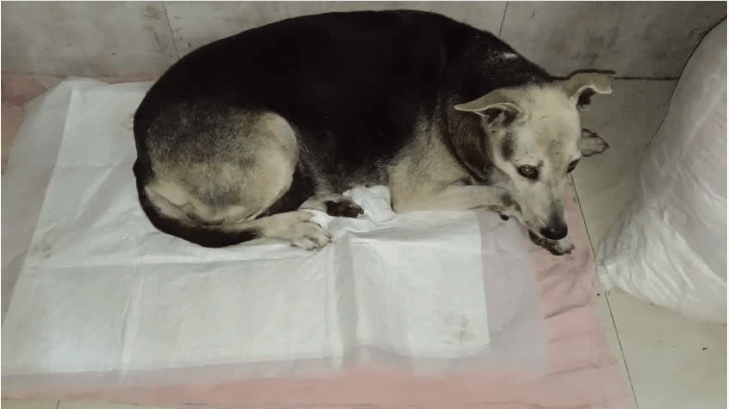
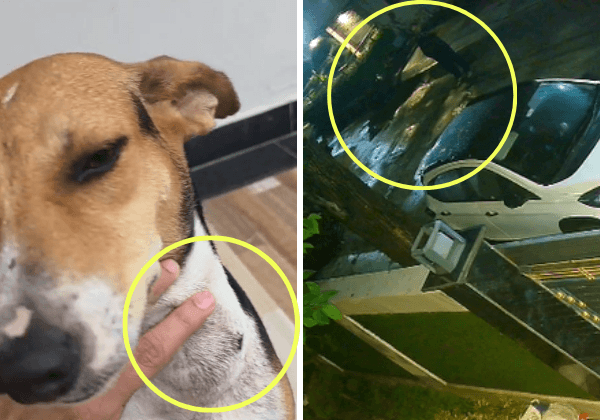
The accused was found inside a drain with a female dog at around 11:45 p.m. on 1 February. After Ankita Kale and other local residents sensed something suspicious, they called the fire brigade and the police. Both the accused and the dog were removed from the drain by the fire brigade. The accused had blood on his face, but there were no visible injuries on his body. It was at this point that Ankita Kale noticed the dog was traumatised and shivering. Upon looking at the condition of the female dog, she lifted her tail and observed a fluid resembling semen mixed with blood oozing from the dog’s vagina. The dog was subsequently taken to the Bombay Veterinary College in Parel, where a vetro legal examination was conducted. The dog is admitted to a private veterinary clinic and is under expert care as she is extremely traumatised, shivering, and not eating food or moving around.
In 2021, the Federation of Indian Animal Protection Organisations released a report revealing that in the decade prior, nearly 500,000 animals – including cows and dogs – were victims of crimes and many had been subjected to sexual violence. Previously, a Voice of Stray Dogs report calculated that the sexual abuse of animals was often underreported but likely committed at a similar rate to human rape cases.
Acts of cruelty to animals indicate a deep mental disturbance. Research in psychology and criminology shows that people who commit acts of cruelty to animals often don’t stop there – many move on to hurting humans. The US Federal Bureau of Investigation has found that a history of cruelty to animals is one of the traits that regularly appear in its records of serial rapists and murderers.
PETA India notes that many violent criminals have a documented history of cruelty to animals. A study published in the Journal of Emotional Abuse found that 71% of women with companion animals who sought shelter from abuse at a safe home confirmed that their partner had threatened, injured, or killed the animals. A study published in Forensic Research and Criminology International Journal warns, “Those who engage in cruelty to animals were [three] times more likely to commit other crimes, including murder, rape, robbery, assault, harassment, threats, and drug/substance abuse. The major motivations for engaging in cruelty to animals include anger, fun, control, fear, dislike, revenge, imitation, and sexual pleasure.” In India, Ameerul Islam, who was convicted of raping and murdering a Kerala law student, Jisha, had a history of raping and killing dogs and goats.
PETA India has been urging Union Home Minister Amit Shah to bring an amendment in the BNS to specifically penalise sexual abuse of animals. Section 377 of the Indian Penal Code (IPC), 1860, punished sexual violence against animals, but there is no provision in the BNS that affords animals the same protection. Section 377 of the IPC regarded rape of an animal as a non-bailable offence and carried a punishment of “[imprisonment for life], or with imprisonment of either description for a term which may extend to ten years and shall also be liable to fine”.
Stop Sexual Abuse of Animals Report Cruelty to Animals