

PETA India Files Objection in Delhi High Court to CCSEA Recommendation for Scientist From IISC, a Laboratory Accused of Cruelty to Animals, to Inspect Palamur Biosciences for Cruelty
PETA India has filed a strong objection to the government body Committee for the Purpose of Control and Supervision of Experiments on Animals (CCSEA) demand that Dr. Ramachandra S.G., Chief Research Scientist, Indian Institute of Science (IISC) be a court-appointed commissioner to inspect Palamur Biosciences for cruelty to animals. CCSEA did not notify the court that IISC was accused of killing huge numbers of animals and engaging in other cruelty by former union minister Maneka Gandhi, who is a former Chairperson of CPCSEA (now called CCSEA), in 2022.
CCSEA fought hard in court for the only inspector of any veterinary or scientific background out of two that will be commissioned by the court to inspect Palamur Biosciences to be Dr. Ramachandra S.G., while intensely rejecting all of the expert veterinary and scientific recommendations made by PETA India. While doing so, CCSEA presented Dr. Ramachandra S.G. as independent when he is a core committee member of CCSEA—a fact PETA India has clarified to the court in its objection. The other Court-appointed inspector is to be an advocate who will act as an observer.
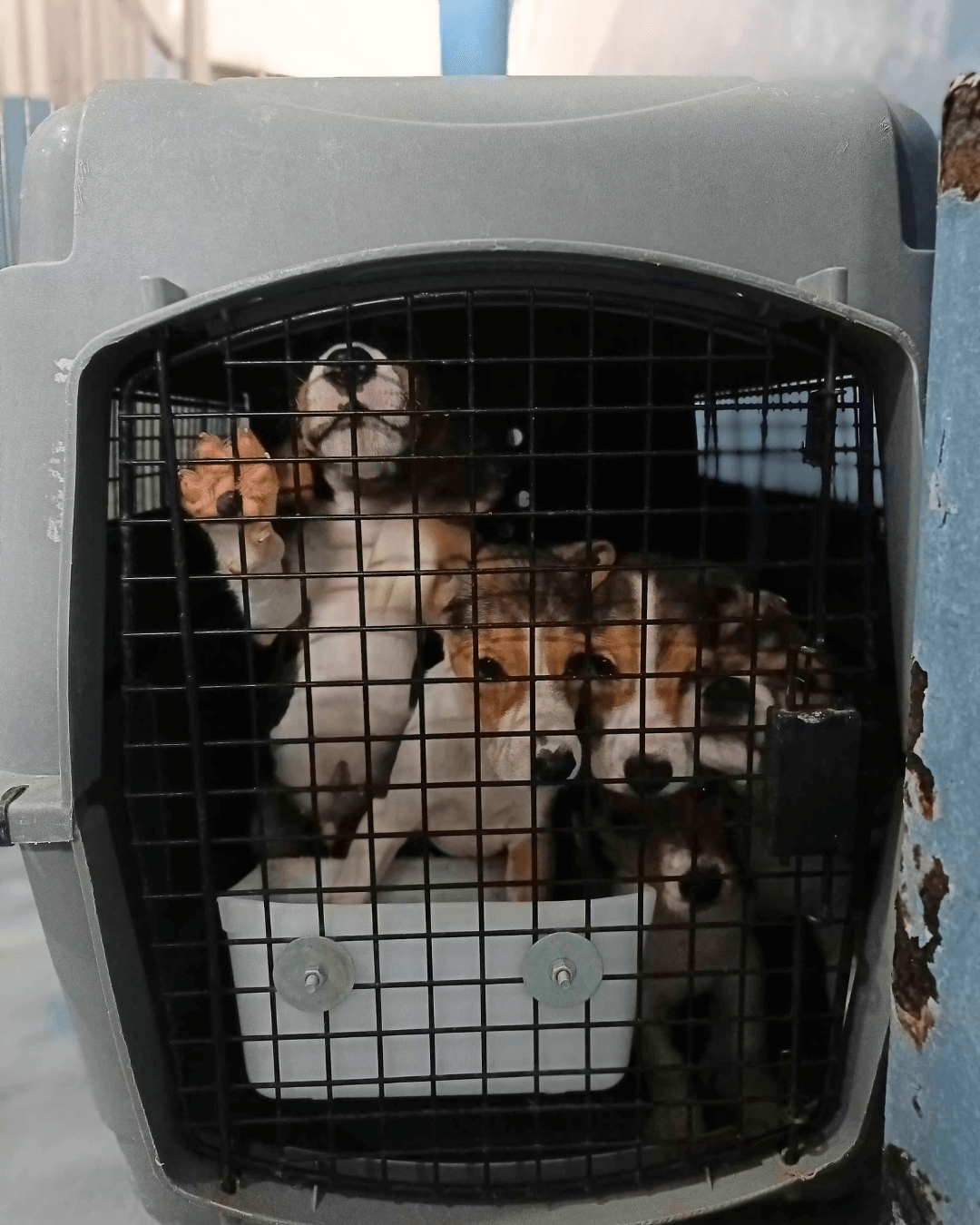
Additionally, PETA India has requested the court to also, at a minimum, order the release of 73 beagles that Palamur Biosciences has marked as for rehabilitation, but who are still kept in cages at the facility, to reputed NGOs willing to care for and adopt out the dogs.
A multidisciplinary team of CCSEA-appointed inspectors already conducted an extensive investigation of Palamur Biosciences on 11-12 June 2025 after PETA India filed disturbing whistleblower accounts of cruelty to dogs, monkeys and mini-pigs with the body. These inspectors corroborated serious animal abuses and misconduct by Palamur Biosciences through an explosive report that was submitted to CCSEA on 17 June 2025. They recommended ‘immediate regulatory action…including the removal and rehabilitation of animals in order to prevent further pain and suffering’ as well as a review of Palamur Biosciences’ registration and breeding license status.
Instead of taking action on its own inspectors’ recommendations, in a highly irregular move, CCSEA threatened PETA India with legal action if PETA India failed to reveal who provided it with a copy of the inspection report and issued a ‘Public Notice’ on its website asking Palamur Biosciences’ clients to disregard any communication from PETA India on Palamur Biosciences.
PETA India notes many similarities between alleged cruelties at IISC and those at Palamur Biosciences, and CCSEA’s handling of the issue. In both cases, staff at the facilities reported cruelty, and CCSEA’s first inspection corroborated cruelty. In 2022, experiments at IISC were temporarily halted. Both IISC and Palamur Biosciences claim any deficiencies found were merely due to ‘miscommunication’ or a misunderstanding. Nevertheless, IISC admits to killing up to fifty animals a day. In 2018, IISC asked a senior faculty member accused of sexually harassing a doctoral student to take ‘compulsory retirement’.
The report submitted by CCSEA-appointed inspectors on 17 June 2025 concludes, ‘The operational deficiencies observed at PBPL [Palamur Biosciences] are not isolated incidents but indicative of entrenched structural, procedural and ethical failures. The scale and severity of non-compliances documented during the inspection raise significant concerns regarding the facility’s adherence to established standards of animal welfare and regulatory accountability. The situation demands urgent attention—particularly with respect to the removal and rehabilitation of animals to prevent further pain, distress or suffering. The findings also call for a critical review of the facility’s registration and breeding license in view of the serious and repeated deviations from prescribed norms.’
The inspectors also note the overall approach to animal welfare and care at the facility ‘reflects a deeply troubling lack of commitment to the health and wellbeing of the animals in its custody.’
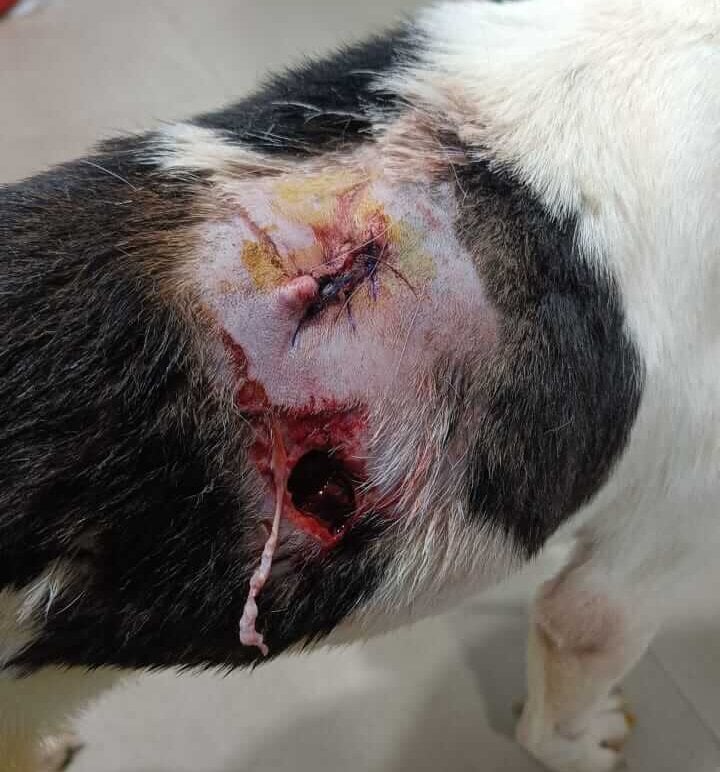
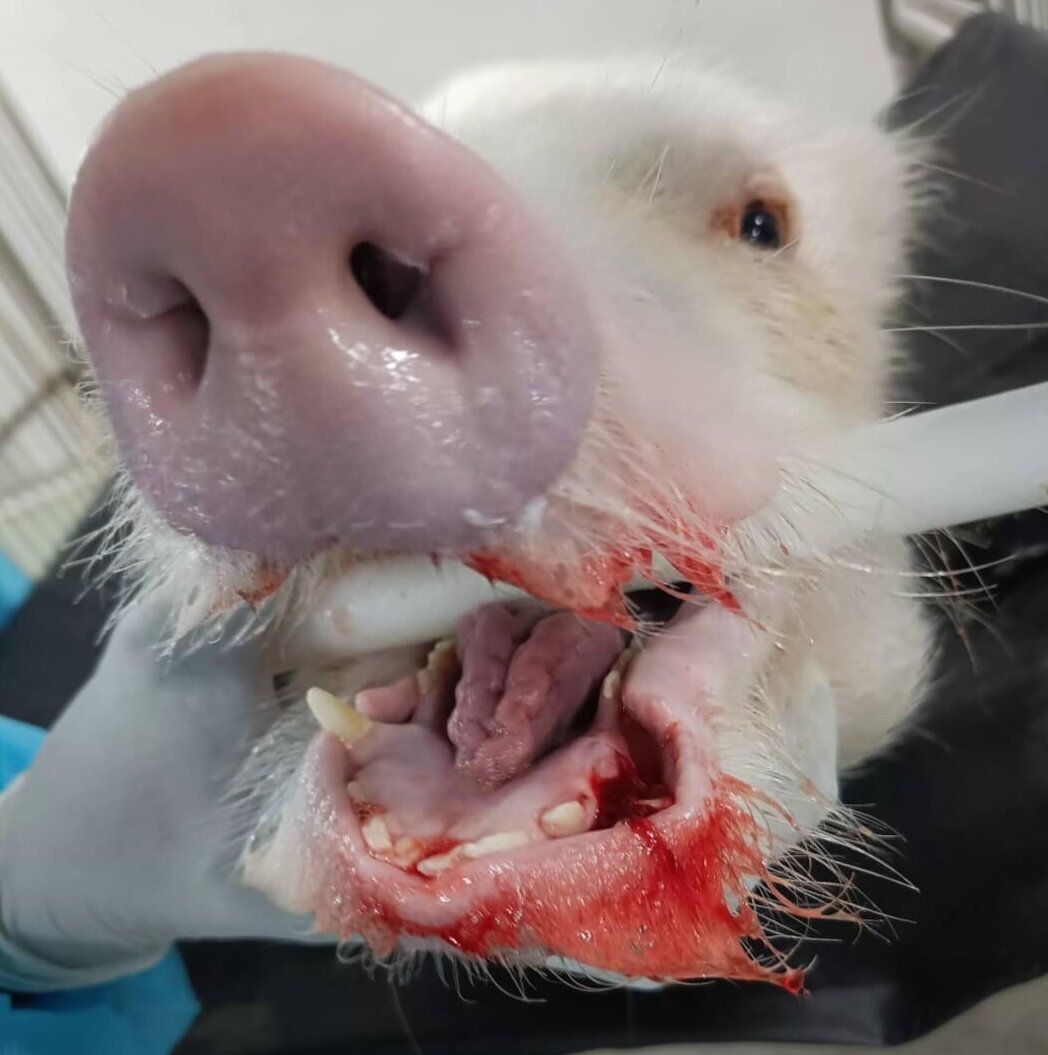
PETA India’s whistleblower-led exposé revealed beagles crammed into enclosures so overcrowded that they caused bloody wounds to each other, minipigs poisoned so roughly they bled, and wild-caught terrified monkeys being experimented on among other cruelties. Insider allegations included lack of painkillers, dogs becoming immobile and dying from procedures and manhandling of animals.
Act NOW to Help Animals Suffering at Palamur Biosciences!