



PETA India Supporter Mimics Frozen Meat to Urge People of Lucknow to Go Vegan
A PETA India supporter in Lucknow mimics frozen meat by lying “dead” on a tray, while others urged people to go vegan with “Meat Is Murder” signs.
Read More




PETA India Supporter Mimics Frozen Meat to Urge People of Lucknow to Go Vegan
A PETA India supporter in Lucknow mimics frozen meat by lying “dead” on a tray, while others urged people to go vegan with “Meat Is Murder” signs.
Read More
PETA India Founder Feeds a Thousand Women and Children in Need in Delhi in Honour of Late Mother
In honour of the 100th anniversary of the birth of PETA India founder Ingrid Newkirk’s late mother, Mary Patricia Ward, PETA India has teamed up with Little India Foundation …
Read More
PETA India calls on central government to strengthen the circular banning foreign pit bull–like breeds after Delhi High Court directs the government to invite public comments before reissuing the …
Read More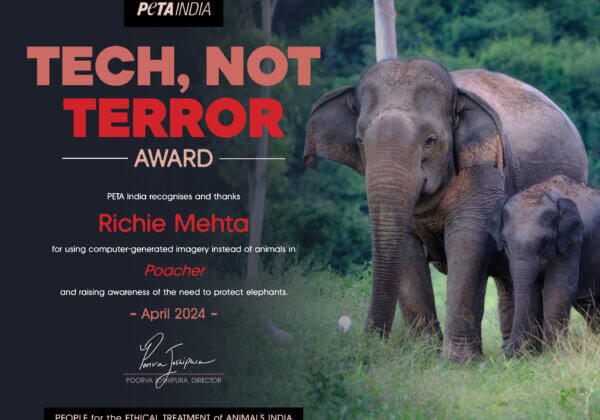
Poacher Director Nabs PETA India Award for Use of CGI Animals Just in Time for Save the Elephant Day
The director of Poacher, a crime thriller based on illegal elephant ivory poaching, wins a PETA India award for using CGI instead of live animals.
Read More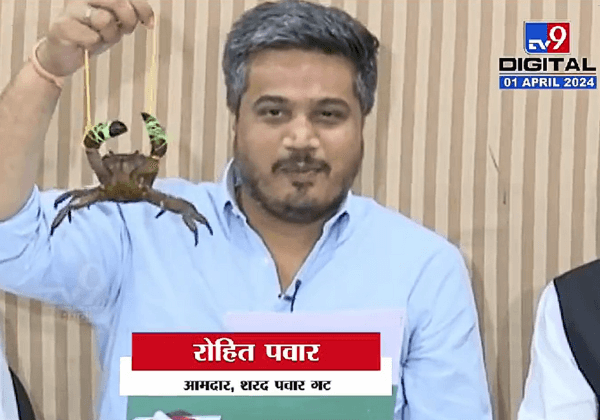
Crab Abused by Maharashtra MLA; PETA India Calls For Action
In response to Nationalist Congress Party (Sharadchandra Pawar) Maharashtra Legislative Assembly member Rohit Pawar’s dangling of a tied, struggling crab to make a point during a recent press conference, …
Read More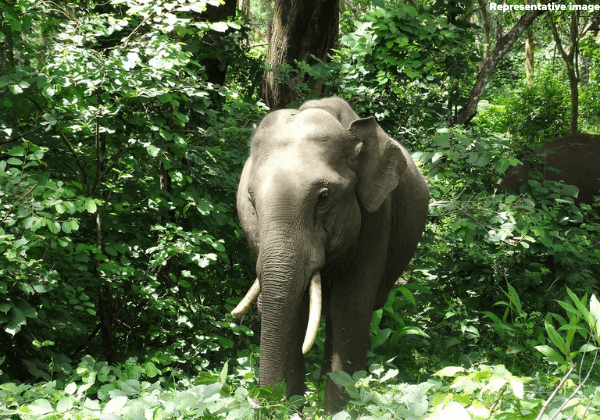
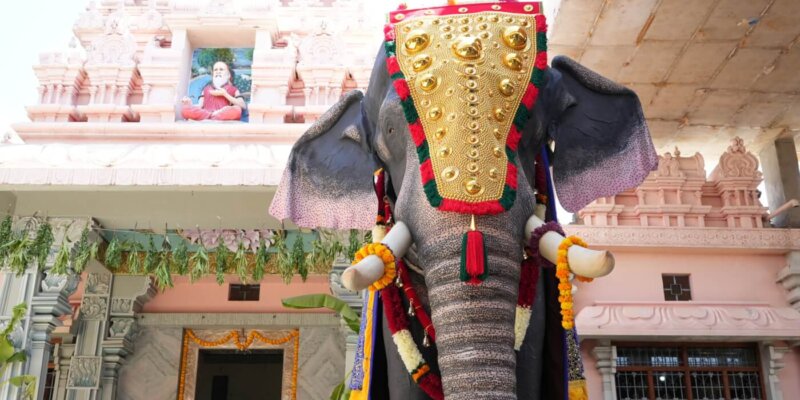
Following a recent incident in which an elephant killed a mahout at ISKCON in Mayapur, PETA India requests that the temple use mechanical elephants in rituals and ceremonies.
Read More
The central government has been directed to consult with PETA India in relation to re-formulating or re-issuing the circular, which aimed to stop pit bull–type breeds from being torn …
Read More
The disturbing video of a frustrated elephant attacking another elephant at a temple procession has proved once again that animals suffer from immense trauma when enslaved and keeping them …
Read More
FIR Registered Over Illegal Dogfighting in Ghaziabad Following PETA India Complaint
Inciting dogs to fight is illegal under the PCA Act, 1960. Following a complaint from PETA India, local police registered an FIR against the owners and organisers of the …
Read More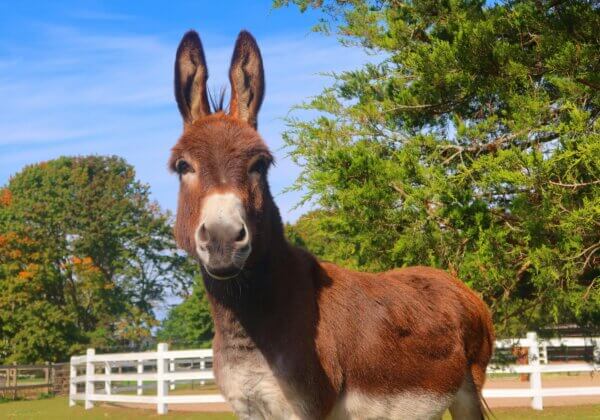
Vijayawada Police Raid Illegal Donkey Meat Sellers, Register Three FIRs, and Book Five People
Vijayawada Police raided illegal donkey meat sellers, registered three FIRs, and booked five people after receiving complaints from PETA India and Animal Rescue Organisation.
Read More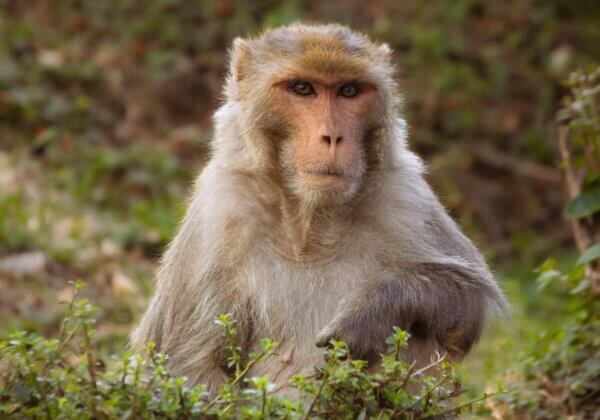
India’s Monkeys Threatened by Foreign Animal Experimenters Need Protection
Join us in requesting that Prime Minister Narendra Modi reinstate and strengthen protections removed from rhesus macaque monkeys in the Wild Life (Protection) Amendment Act, 2022.
Read More
Delhi Technological University suspended two students for scalding a mouse, following a PETA India push.
Read More