

Companion Animals
Dogs and Cats: Doing What Is Best for Them
In a perfect world, animals would be free to live their lives to the fullest, raising their young, enjoying their native environments and following their natural instincts. However, dogs and cats have a difficult time surviving when they live free in our concrete jungles, so we must do our best to take good care of them. People with the time, money, love and patience to make a lifetime commitment to an animal can make an enormous difference by adopting one from an animal shelter or rescuing one from a perilous life on the street. But it is also important to stop breeding purebred animals – a practice that contributes to the animal overpopulation crisis.
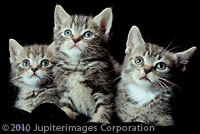
The sad truth is that not everyone loves animals. Ask any animal welfare officer about the animals who are found bruised, bloodied and emaciated; the litters of puppies and kittens who are rescued from taped-up boxes alongside highways or from sealed plastic garbage bags thrown into lakes and rivers; and the animals who are abandoned because they “bark too much” or are aging or because the family is moving.
Even people who care about animals are often unable to recognise or meet their many needs. For example, dogs love going outside for walks and playing with their guardians, but some people take all the fun out of going for a walk by keeping their dogs on an unreasonably short chain and yanking them or hitting them with a stick for going astray. If you think you need a stick, you do not need a dog.
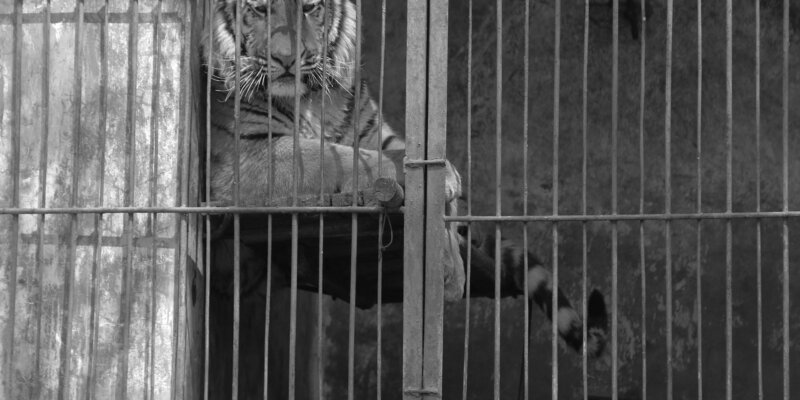
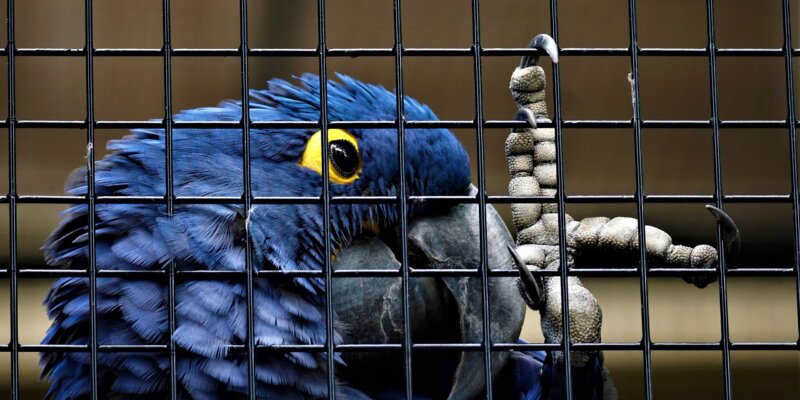
Domesticated animals face a Catch-22 – they have difficulty surviving on their own, yet they retain many of their basic instincts and drives. Usually, they are isolated from their natural packs. Their bodies and souls yearn to roam – but for safety’s sake, they are confined to a house or yard, always dependent on their guardians for a drink of water, food to eat and social contact. If we tried to think of the cruellest punishment that we could for dogs, we probably could not come up with anything worse than solitary confinement at the end of a chain or in a kennel, yet many people keep dogs confined in these ways.
As long as people treat animals as toys, possessions and commodities rather than as individuals with feelings, families and friendships, widespread neglect and abuse are destined to continue.
Breeding’s Sad Legacy
One unspayed female cat and her offspring can create a whopping 420,000 cats in just seven years, and one unneutered male dog can father countless litters.
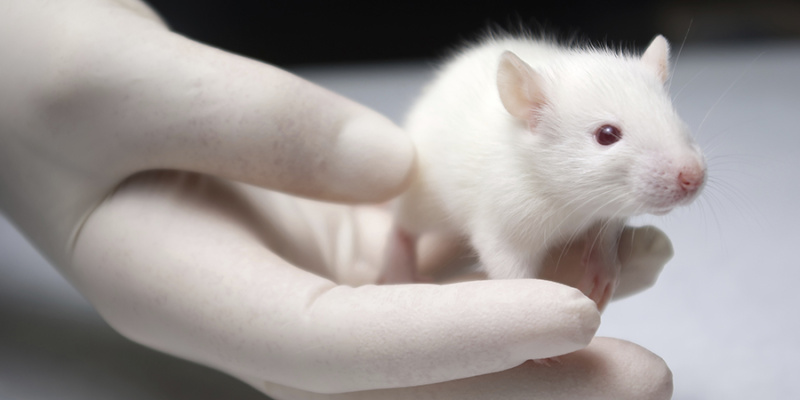
Because the number of companion animals far exceeds the demand for them, millions of homeless cats and dogs suffer from abandonment, abuse, starvation and disease, are killed on highways or are stolen for use in laboratories.
Many people who acquire animals end up giving them away, abandoning them or taking them to animal shelters.
In light of these tragic facts, no breeding can be considered “responsible”. Those who breed animals for profit or let their dog or cat have “just one litter” contribute to the severe dog and cat overpopulation crisis. Every time a puppy or kitten is born, a dog or cat desperately waiting in an animal shelter or roaming the streets loses a chance at finding a home.
Problems With Purebreds
So-called purebred breeding (breeding animals for a certain appearance or set of characteristics) has caused a wide range of health defects in animals. For example, “flat-faced” dogs such as bulldogs and Boston terriers experience respiratory difficulties because their shorter breathing passages make it hard for them to deal with hot weather and can cause them to suffer complications when they’re under anaesthesia. The excessively wrinkled skin of bloodhounds and Shar-Peis make them prone to skin infections, Dalmatians are often deaf and other purebred dogs suffer from epileptic seizures, hip dysplasia, painful back problems, etc. Of course, all this occurs because humans think they can improve on nature.
Sadly, while breeders “custom-design” millions of dogs and cats each year, countless equally deserving dogs and cats languish without food or love.
Obedience Training
 |
PETA India wholeheartedly supports humane interactive training: it gives dogs more freedom and a greater understanding of our world. Dogs should be humanely trained by the people they live with; turning a dog over to someone else to train not only exposes him or her to unseen abuse but also prevents guardians from learning how to communicate effectively with their animal companions.
Compassion, clarity and consistency are the most important elements of dog training. Positive reinforcement and praise for good behaviour work best. Dogs thrive on making you happy and proud of them. Training should never include any technique – such as physical abuse or yelling – that endangers animals or puts undue stress on them.
What You Can Do
Spay or neuter dogs and cats, including stray animals. Make sure stray animals are taken back to the exact spot where they were found after they recover from surgery. Stray animals who are taken to unfamiliar territory will likely be attacked by animals who have already claimed that territory as their own. They will also not know where to find food or water.
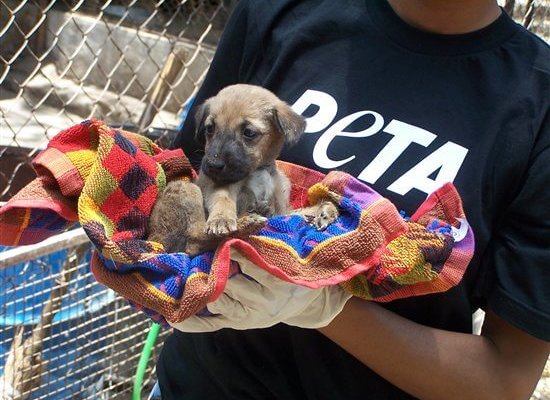
Adopt from animal shelters or from the street – never buy from a pet shop. And don’t forget about adult animals, who are often overlooked by people who are looking for a puppy or kitten.
Work within your community to get mandatory and humane spaying and neutering legislation passed.
If someone is planning to breed an animal, speak out against it.
Point out neglect. If you see an animal being neglected, talk to his or her guardian, send a letter or contact an animal welfare society. Be persistent!
Walk and play daily with your companion animals.
If possible, adopt two animals of the same species. Animals need the companionship of other animals. Having an animal friend can help alleviate the boredom and loneliness of long hours spent waiting for you to come home.
Take Action for Animals!
Resources
-
-
-
 © iStock / mucella
 -