Apply for ‘PETA India’s 100% Bull Free’ Certification
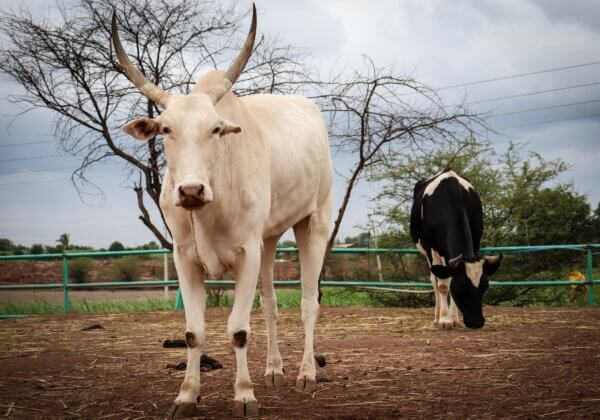
Is your sugar company using mechanised means to transport sugarcane or sugar products instead of bull or other animal carts? Apply for PETA India’s ‘100% Bull Free’ certification.
Read More


Apply for ‘PETA India’s 100% Bull Free’ Certification
Is your sugar company using mechanised means to transport sugarcane or sugar products instead of bull or other animal carts? Apply for PETA India’s ‘100% Bull Free’ certification.
Read More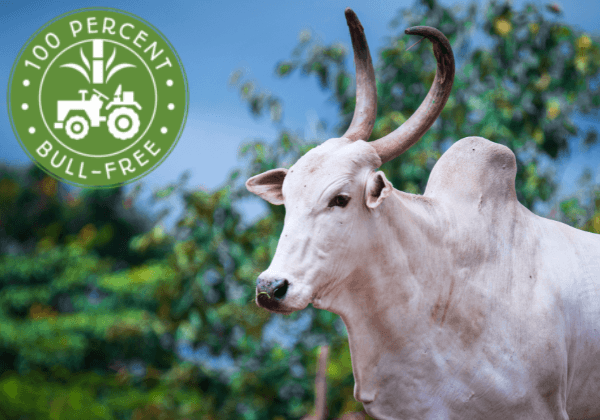
100% Bull-Free Sugar Certification
PETA India’s ‘100% Bull-Free’ certification recognizes Indian sugarcane companies operating through modern, humane means without draught animal labour sparing bulls suffering and helping workers live more dignified lives.
Read More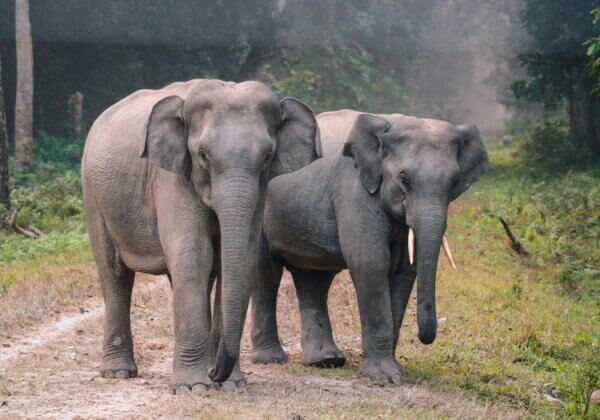
NDTV Changemakers Season 5: How PETA India Is Using Technology to Help Elephants Live Free
Don’t miss PETA India’s innovative efforts to protect elephants from cruelty and promote empathy for them on NDTV’s The Changemakers Season 5. Discover how technology is helping PETA India …
Read More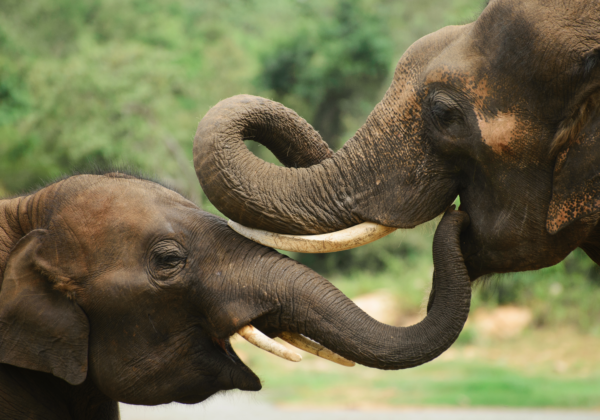
After hearing from PETA India, John Abraham, R Balki, Daggubati Suresh Babu, Farah Khan, Dia Mirza, Nikkhil Advani, Pooja Bhatt, and other filmmakers have signed the Elephant Freedom Pledge …
Read More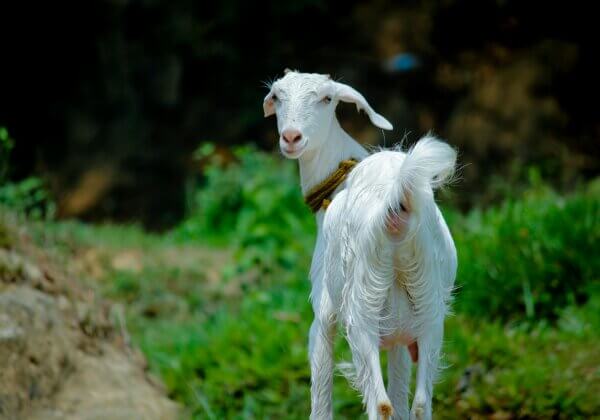
Pledge to Celebrate a Cruelty-Free Eid al-Adha
Good news: you don’t need to sacrifice your compassion for animals this Eid al-Adha!
Read More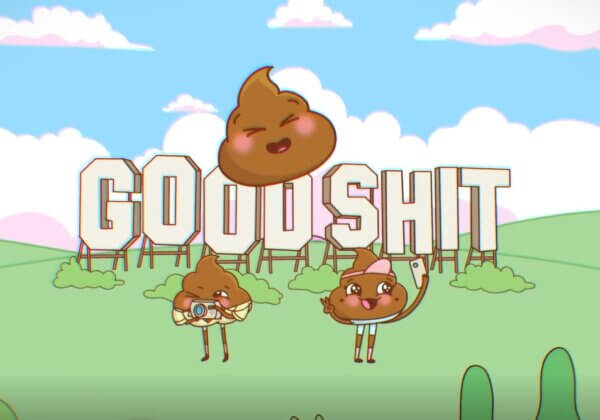
New Video: Why Being Vegan is Good Sh* t!
Learn why being vegan is good sh*t, and how ditching meat can keep you “flushed” with health.
Read More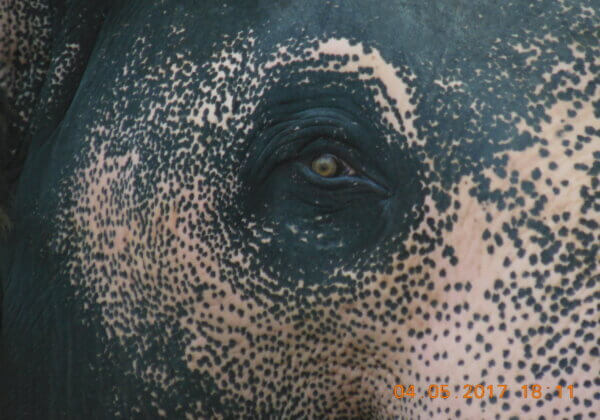
Kerala’s captive elephants have killed five humans and injured many in ten days. PETA India offers mechanical elephants to Kerala’s temples and mosques if they agree to stop using …
Read More