dove logo
PETA India Home
Action AlertsVegetarianismCampaignsLivingActivismAbout PETADonate Now
dove logo
Animals in EntertainmentAnimal ExperimentationClothingPETA TV
Search

Home > media centre > News Releases >

SUMMER ISSUE OF PETA’S ANIMAL TIMES MAKES HELPING ANIMALS-AND YOURSELF-EASY
Magazine Highlights Rise of Injuries, Fatalities From Captive-Elephant Rebellions


For Immediate Release:
July 22, 2003

Contact:
Anuradha Sawhney (0) 98201 22602; AnuradhaS@peta.org


Mumbai - Why are the elephants so angry and what can we do to help them and protect ourselves? The place to turn for answers to this and other animal-related questions is the summer 2003 issue of PETA’s Animal Times, which features everything from healthy diet advice to a new pro-vegetarian ad by musician/comedian Devang Patel and animal-friendly T-shirts modelled by supermodels and super PETA supporters John Abraham and Aditi Gowitrikar.

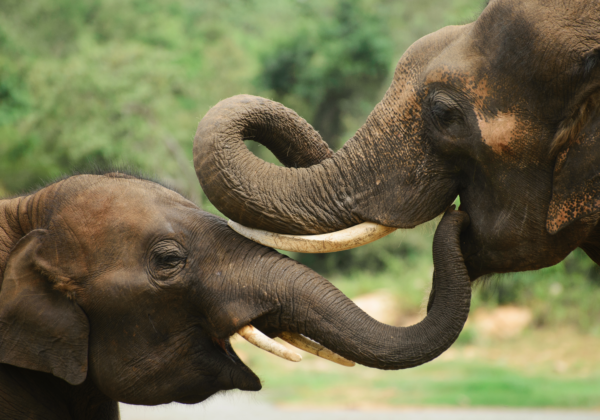
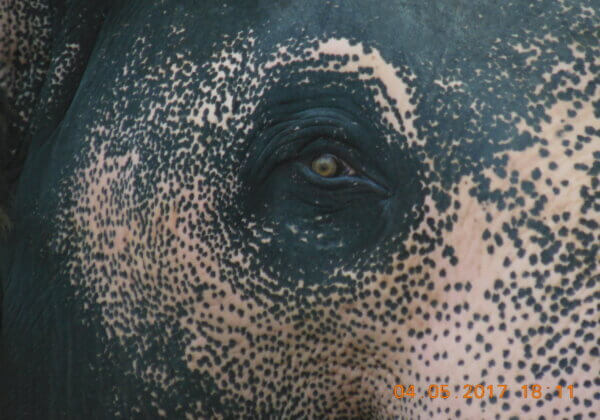
Imagine what it must be like for highly-intelligent, social and sensitive beings like elephants to be ordered about constantly, under threat of a beating with a bullhook at every moment of their lives. Most elephants are hungry and thirsty all the time, because they are given only a fraction of the food they need. In January, Gopalakrishnan, a mahout in Cochin, was attacked and killed by the elephant he trained. Since 1990, captive elephants around the world are known to have killed at least 61 people and injured more than 130 others. In India, at least 42 people have been killed or injured in the last five years - and elephant rebellions are on the rise. Why? Could it be because in captivity, elephants are deprived of everything pleasant and natural?

Elephants live more than 70 years if left unmolested in the forest, yet their average life span in captivity is reduced to 14 miserable years. However, elephants in the forests are also persecuted - many are shot or poisoned, because some villagers view them as nothing more than competitors for land. Readers of PETA’s Animals Times will gain new insight into the complex nature and strong family ties of these fascinating animals.

One of the magazine’s most popular features is the “Purrs & Grrrs” section, which lets readers know who’s cool and who’s cruel.

• ‘Purrs’ go to Best Western’s Emerald Hotel for serving all-vegan meals and even placing PETA leaflets in all the guests’ rooms.
• ‘Grrrs’ are in order for snake charmers, who torture and kill thousands of reptiles each year during Naag Panchami.

Beware proponents of the Atkins diet, who are deluded into thinking that the high-meat, low-carbohydrate regimen is a quick fix for people concerned about their weight. Dr. Neal Barnard, president of the US-based Physicians Committee for Responsible Medicine (PCRM), explains that followers of the Atkins diet and similar ones might just be trading in their unwanted kilograms for osteoporosis, heart disease and even colon cancer, in his column ‘Doctor in the House’. Dr. Barnard explains that all the research shows that the safest and most effective way to take weight off - and, more importantly, keep it off - is to combine a nutritious, pure-vegetarian diet with a reasonable exercise program.

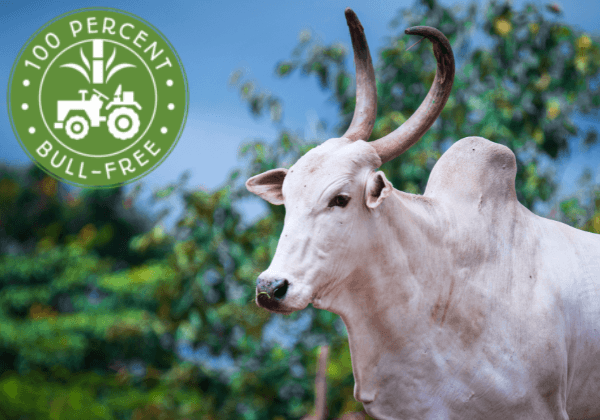
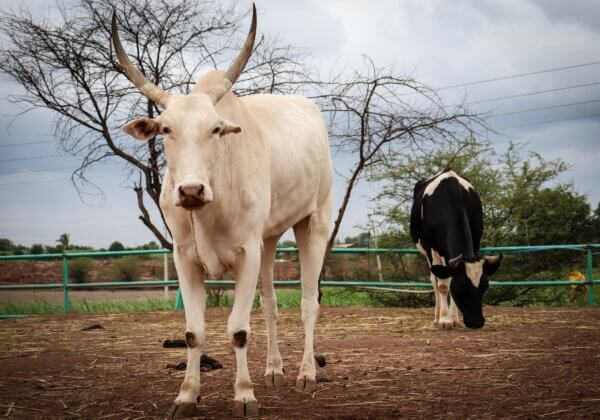
People of all religious persuasions will love reading the heart-warming story of a spirited cow named Emily, who came within seconds of certain death. Emily, along with thousands of others just like her, was no longer wanted on the dairy farm and was sent to the abattoir. Her ‘thanks’ for providing the farmer with the milk that was intended for her own babies was to be turned into a few rupees worth of meat. But Emily had other ideas. Sensing the fear of the other cows around her, she clambered over a nearly 2-metre-high fence and bolted into the forest, where she tried to eke out an existence. A sympathetic family learned of her plight and, despite several failed attempts, finally coaxed her into their lorry. Emily is now a thriving member of the family and seems to have forgotten her learned fear of humans. People from all around come to visit her, many leaving a present or note. One read simply, ‘I used to eat animals. I’m sorry. No more.’

PETA’s Animal Times also lets readers know how they can get involved in helping animals all over the country. All they have to do is look for the ‘You Can Help’ segment at the end of each article, which instructs animal-friendly people on what to do and whom to contact when they spot cruelty to animals.

Says PETA Chief Functionary Anuradha Sawhney, ‘Through letting people know what they can do to help stop needless animal suffering and showing them what other people have done to make a real difference, PETA’s Animal Times give readers the information and encouragement they need in order to act. After all, good intentions aren’t enough.’

For information about becoming a PETA member and getting a yearly subscription to PETA’s Animal Times, call (022) 2628 1880 or write to PO Box 28260, Juhu, Mumbai 400 049.

PETA’s Animal Times is not copyrighted. Full or partial reprints are encouraged. For high-quality copies of any of the images, please contact PETA.


Click to view all ads.
 
Click to view all ads.
To view this ad, click here.
Return to PETA Home Page